
spec sheet13 rows
Esomeprazole is a proton pump inhibitor, a class of medicine that strongly and lastingly reduces the production of stomach acid. It is the S-enantiomer of the older drug omeprazole, developed and marketed by AstraZeneca under the brand name Nexium. Taken by mouth or by injection, it is used to treat acid-related disorders such as gastroesophageal reflux disease, peptic ulcers, and conditions of acid overproduction. It is available both by prescription and, at lower strengths, over the counter.
- The right drug for erosive esophagitis and stubborn reflux
- Treats peptic ulcers and other acid related disorders
- Strongly and lastingly shuts down stomach acid
- Refined S enantiomer of omeprazole, sold as Nexium
- Backs up Helicobacter pylori eradication
- Sold by prescription and over the counter
- Headache, diarrhea, and abdominal discomfort are among the more common effects
- Long-term use has been associated in studies with bone fractures and low magnesium
- May raise the risk of certain gut and lung infections with extended use
Overview
Esomeprazole is a proton pump inhibitor (PPI), a family of drugs that suppress the secretion of gastric acid [1][2]. It is the S, or left-handed, enantiomer of omeprazole; whereas omeprazole is a mixture of two mirror-image forms, esomeprazole is the single S-form, marketed as the magnesium or sodium salt [1]. Chemically it is a benzimidazole derivative, and like other PPIs it is a prodrug that becomes active only in the acidic environment of the stomach's acid-secreting cells [1].
Esomeprazole was developed by the pharmaceutical company AstraZeneca as a successor to its earlier blockbuster omeprazole (sold as Losec and Prilosec); it was patented in the early 1990s and approved by the United States Food and Drug Administration in 2001 [1]. Sold chiefly under the brand name Nexium, it became one of the best-selling drugs in the world during the 2000s [1]. It is now also available as a generic and, in many countries, over the counter for frequent heartburn [1].
Esomeprazole is prescribed for a range of acid-related conditions, including gastroesophageal reflux disease and the healing of erosive esophagitis, peptic ulcer disease, the prevention of ulcers caused by nonsteroidal anti-inflammatory drugs, and the acid oversecretion of Zollinger-Ellison syndrome; it is also used as part of antibiotic regimens to eradicate the ulcer-causing bacterium Helicobacter pylori [1]. Comparative studies of PPIs have examined their relative acid-suppressing potency, and such analyses suggest that, on an equivalent-dose basis, the various PPIs, including esomeprazole, can often be used interchangeably [2].
The drug comes in delayed-release capsules and tablets and in an intravenous form for hospital use [1]. It is generally well tolerated, with headache, diarrhea, and abdominal discomfort among the more common short-term effects [1]. As with other PPIs, extended use has been linked in observational studies to several concerns, including a modestly increased risk of bone fractures, certain intestinal and respiratory infections, low magnesium levels, and, in some analyses, a higher risk of stomach cancer following treatment for Helicobacter pylori; these associations come mainly from observational data and are weighed against the drug's benefits [1][3][4]. Because esomeprazole is handled by the liver enzyme CYP2C19, it can interact with some other medicines, including reducing the activation of the antiplatelet drug clopidogrel [1].
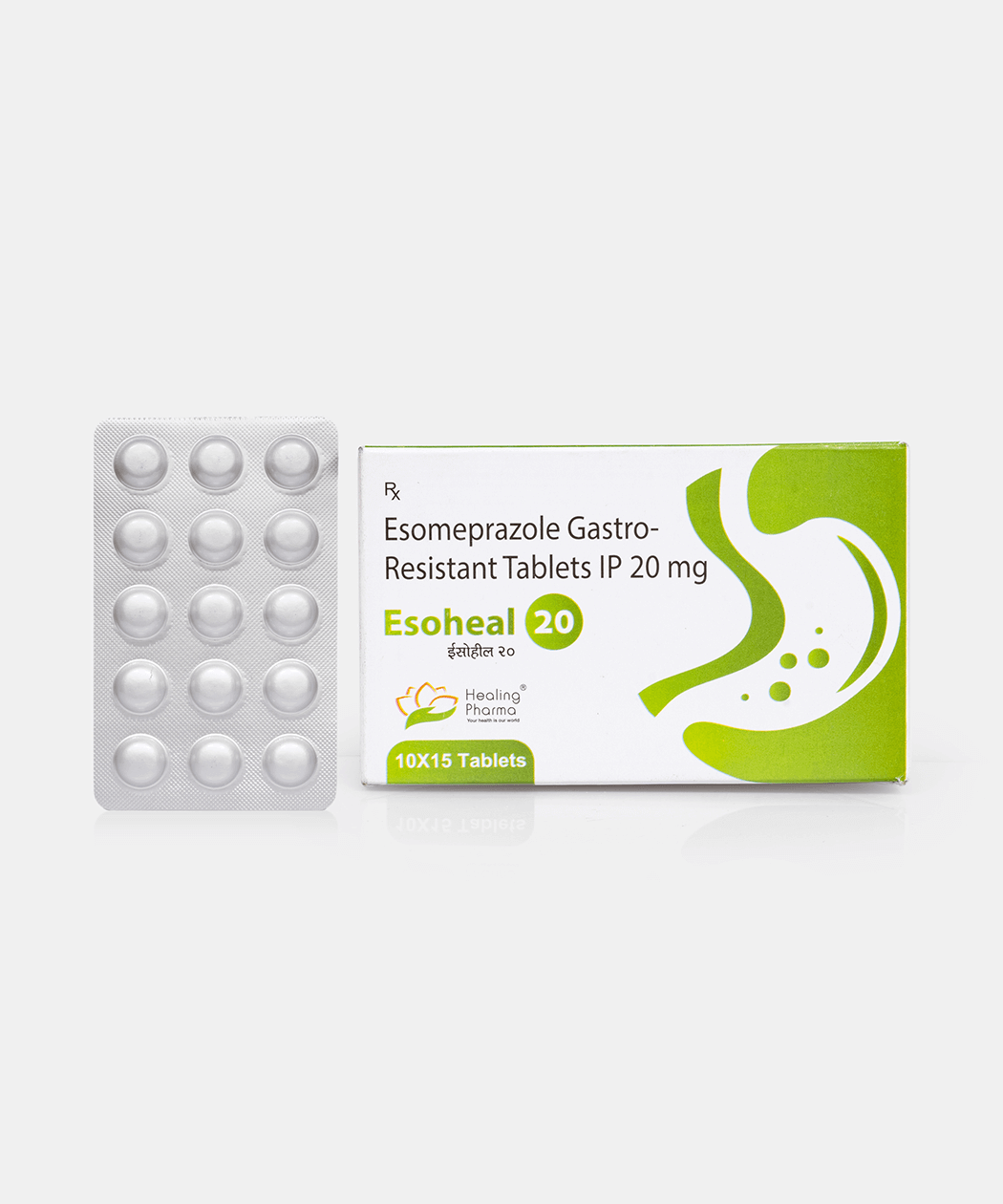
- Esomeprazole was the first proton pump inhibitor marketed as a single optical isomer rather than a mixture of mirror-image forms.
- It disables the stomach's acid pump irreversibly, so acid production recovers only as parietal cells manufacture entirely new pump molecules.
- Marketed as the purple pill, Nexium ranked among the best-selling pharmaceuticals in the world during the 2000s.
Mechanism
Esomeprazole reduces stomach acid by shutting down the final step of acid production [1]. It is a that, after absorption, accumulates in the acid-secreting parietal cells lining the stomach and is converted there into its active form [1]. The active molecule binds irreversibly to the hydrogen-potassium ATPase, often called the proton pump, the enzyme that pumps hydrogen ions into the stomach to make it acidic [1][2]. By permanently inactivating these pumps, esomeprazole produces a strong and prolonged fall in acid secretion, and normal acid output returns only as the cell manufactures new pump molecules [1]. Because it is the single active of omeprazole and is broken down somewhat more slowly, esomeprazole can reach higher and more sustained blood levels than the racemic parent, which contributed to its marketing as an improved acid suppressant [1].
receptor fingerprint
Hydrogen potassium ATPase (gastric proton pump)inhibits
Gastric parietal cellblocks
Intragastric pHmodulates
CYP2C19 enzymeinhibits
Helicobacter pylori environmentmodulates
Dosingtypical ranges, not medical advice
interested in protocols and clinical dosages? make an account to see them! ^_^
Safetyrisks and cautions, not medical advice
Esomeprazole is available on prescription and, at lower doses, over the counter. Short term it is well tolerated, with headache, diarrhea, nausea, and abdominal pain being the usual complaints. Long term or high dose use has been linked to low magnesium, reduced vitamin B12, a higher chance of certain gut infections such as Clostridioides difficile, and possibly weaker bones and kidney effects, so it is best used at the lowest effective dose for the shortest needed time. It reduces the activation of the blood thinner clopidogrel through the CYP2C19 enzyme and can change how well acid dependent drugs are absorbed. Stopping suddenly after long use can cause a rebound of extra acid.
Interactionsdocumented pairs only, not exhaustive
Esomeprazole interacts in two distinct ways: by inhibiting CYP2C19 and by removing stomach acid.
The enzyme problem is clopidogrel. Clopidogrel is a prodrug that needs CYP2C19 to become active, and esomeprazole inhibits that step, cutting the active metabolite and measurably blunting platelet inhibition; the pairing is specifically flagged on the clopidogrel label and the effect is larger in people already carrying reduced function CYP2C19 alleles. Diazepam, phenytoin, cilostazol and citalopram concentrations also rise, and tacrolimus can climb sharply in poor metabolizers.
The acid problem affects anything whose absorption needs a low gastric pH. Ketoconazole, itraconazole, erlotinib, rilpivirine, atazanavir and nelfinavir all lose exposure, sometimes enough to fail; nelfinavir is contraindicated on that basis. Iron salts and mycophenolate mofetil are absorbed less well for the same reason. Proton pump inhibitors also delay elimination of high dose methotrexate, prolonging exposure to toxic concentrations.
In the other direction, rifampin and St John's wort induce esomeprazole's own metabolism and reduce acid suppression.
Checking a whole stack? Run it through interactions + stacks.
History
Esomeprazole is the S-enantiomer of omeprazole, developed by AstraZeneca as a successor to its own blockbuster proton pump inhibitor omeprazole, sold as Prilosec, whose patent protection was nearing expiry. By isolating the single optical isomer that is metabolized somewhat more slowly and reaches higher, more sustained blood levels, the company created a distinct new product, launched in 2001 under the brand name Nexium and famously marketed as the purple pill.
It was the first proton pump inhibitor brought to market as a single enantiomer, and it became one of the best-selling prescription drugs in the world during the 2000s. Esomeprazole is used to treat acid-related disorders including gastroesophageal reflux disease, erosive esophagitis, peptic ulcers, and conditions of acid overproduction, and it is available both by prescription and, at lower strengths, over the counter. Its development also became a widely cited case study in enantiomer-based drug lifecycle strategy.
Reputation
Esomeprazole is regarded as a highly effective and dependable acid suppressant, capable of healing erosive esophagitis and controlling reflux symptoms in the large majority of patients who take it. It is one of the most commercially successful and heavily prescribed drugs of its era, and its strong, long-lasting inhibition of stomach acid is well documented in clinical trials.
The compound also sits at the center of an interesting debate: some experts have questioned how much clinical advantage the single enantiomer offers over generic omeprazole at equivalent doses. As with all proton pump inhibitors, thoughtful long-term use is advised, since extended acid suppression has been linked to considerations around magnesium levels, vitamin B12 absorption, and bone health. Used for the right indications and durations, esomeprazole remains a trusted and widely relied-upon treatment for acid-related disease.
Subjective profileweighing the evidence above
Excellent at what it does and the right drug for erosive esophagitis, ulcers and stubborn reflux. The real problem is that people stay on it for years by default; use the lowest dose that works for the shortest run, since long-term use is tied to low magnesium, reduced B12, fractures and more gut infections.
Where to buy
Suppliers
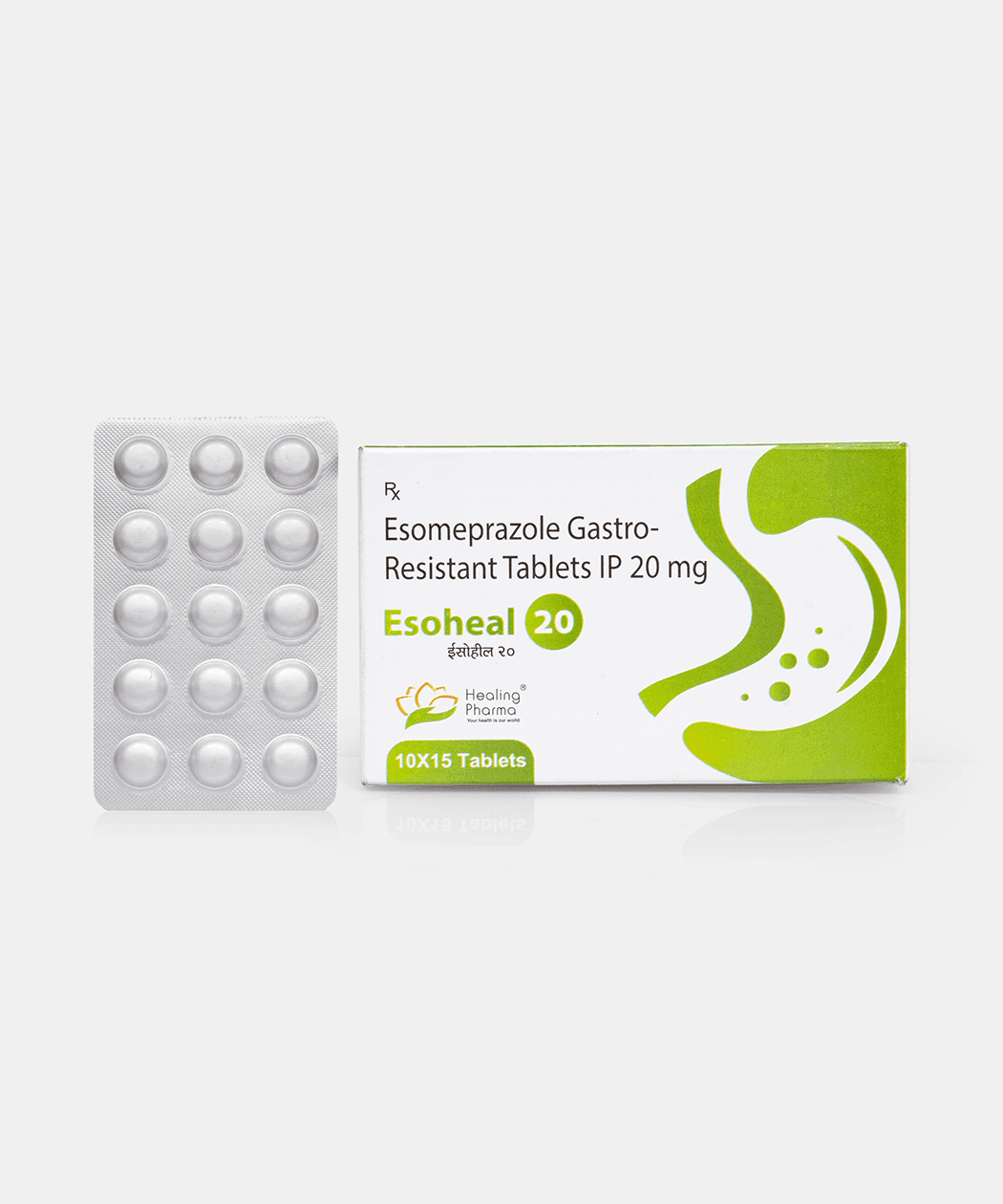
Vendors carrying Esomeprazole, with live product details and codes. Links are affiliate links that support the wiki at no cost to you.
PCT.Zone
Esomeprazole
Research
- 2006first citedLong-term proton pump inhibitor therapy and risk of hip fracture
- 2015meta-analysisComparative effectiveness and tolerability of esomeprazole and omeprazole in gastro-esophageal…
- 2018most recentInterchangeable use of proton pump inhibitors based on relative potency
- 1.Comparative effectiveness and tolerability of esomeprazole and omeprazole in gastro-esophageal reflux disease: A systematic review and meta-analysis.
- 2.Interchangeable use of proton pump inhibitors based on relative potency
- 3.Long-term proton pump inhibitor therapy and risk of hip fracture
- 4.Risk of gastric cancer development after eradication of Helicobacter pylori.
- 5.Predictors of either rapid healing or refractory reflux oesophagitis during treatment with potent acid suppression
5 listed here; entry last updated August 2026
Reviews
My notesprivate to this device
FAQ
When should I take esomeprazole?
Take it 30 to 60 minutes before your first meal so the drug is active when the pumps switch on with food.
Is it safe to use long term?
It can be, but long use is linked to low magnesium, low B12, and other risks, so use the lowest dose that controls symptoms and review it periodically.
Why did my heartburn flare when I stopped?
Long use can cause rebound acid once you stop; tapering the dose down rather than quitting abruptly helps avoid it.
Can I take it with clopidogrel?
Esomeprazole can blunt clopidogrel, so your doctor may choose a different acid reducer or PPI if you need that blood thinner.
How fast does it work?
Some relief comes within a day, but full acid control and healing build over one to four days of daily dosing.
Adverse effects
- Headache, diarrhea, and abdominal discomfort are among the more common effects
- Long-term use has been associated in studies with bone fractures and low magnesium
- May raise the risk of certain gut and lung infections with extended use
- Can interact with other drugs, including reducing the effect of clopidogrel