
spec sheet12 rows
Lactulose is a synthetic disaccharide made of the sugars galactose and fructose that the human small intestine cannot absorb. It works as an osmotic laxative and is used to relieve chronic constipation and to treat hepatic encephalopathy, the confusion that arises when a failing liver allows ammonia to build up. Because gut bacteria ferment it, lactulose also acts as a prebiotic, and it appears on the World Health Organization's list of essential medicines.
- Relieves chronic constipation as a gentle osmotic laxative
- Treats hepatic encephalopathy, the confusion from a failing liver
- Lowers the blood ammonia a failing liver lets build up
- Doubles as a prebiotic that gut bacteria ferment
- On the World Health Organization list of essential medicines
- Softens stool without harsh stimulant action
- Gas and bloating
- Abdominal cramps
- Diarrhea if overused
Overview
Lactulose is a man-made disaccharide, built from one unit of galactose joined to one of fructose, that is produced by chemically rearranging lactose, the sugar of milk [1]. Unlike ordinary dietary sugars it is not broken down or absorbed in the small intestine, so it travels intact to the colon, and this single property is the basis for both of its main medical uses [1][2]. It was first synthesized in the late 1920s and entered clinical practice in the 1950s, and it now appears on the World Health Organization's list of essential medicines [1][3].
As an osmotic laxative, lactulose draws water into the bowel and softens the stool, which makes it useful for chronic constipation across all age groups, although its effect is gradual rather than immediate [1]. Its second major use is in hepatic encephalopathy, the impaired brain function that can develop in advanced liver disease; here a large body of randomized trial evidence, summarized in systematic reviews, supports non-absorbable disaccharides such as lactulose for both treating and preventing episodes, with associated reductions in serious complications and mortality [2].
Once in the colon, lactulose is fermented by resident bacteria, and because this fermentation encourages the growth of beneficial groups such as bifidobacteria and lactobacilli, the compound is also regarded as a prebiotic; studies note that these effects on the microbiome vary from person to person and with the amount taken [1][3]. Lactulose is generally well tolerated, the most common complaints being gas, bloating, and abdominal cramps, and excessive use can lead to diarrhea and disturbances of fluid and electrolytes [1]. It is available as a syrup and is sold on prescription in some countries and over the counter in others [1].
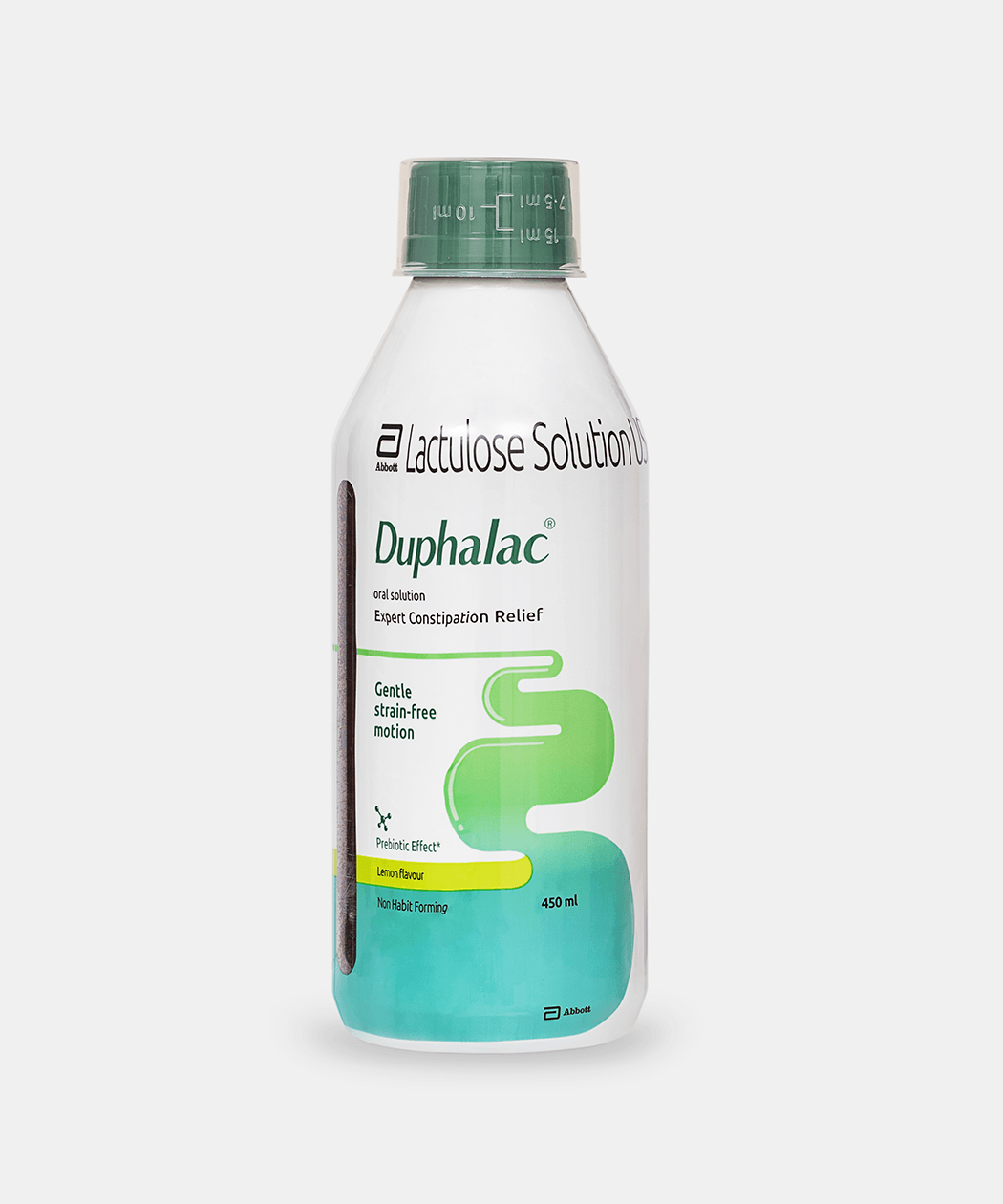
- Humans cannot digest lactulose at all, so it travels untouched to the colon; this seeming flaw is exactly what makes it work.
- In hepatic encephalopathy it chemically traps ammonia in the gut by converting it to charged ammonium, which is then swept out in the stool.
- It appears on the World Health Organization's List of Essential Medicines.
Mechanism
Lactulose owes its effects to the fact that humans lack an enzyme to split it, so it passes unabsorbed through the small intestine and reaches the colon largely unchanged [1][2]. In the bowel its presence raises the osmotic pull of the gut contents, drawing in water that softens the stool and stimulates movement, which is how it relieves constipation [1]. Colonic bacteria then ferment the sugar into short-chain acids such as lactic and acetic acid; this both drives the fermentation that gives lactulose its prebiotic character and lowers the pH of the colon [1][3].
The acidic environment is central to its role in hepatic encephalopathy: it converts ammonia, which is neutral and readily absorbed, into ammonium ions that are charged and stay trapped in the gut, so that ammonia is swept out in the stool rather than entering the blood and reaching the brain [2]. The greater stool bulk and faster transit further reduce the time available for ammonia to be absorbed [2].
receptor fingerprint
Colonic osmotic gradientmodulates
Gut bacterial fermentationactivates
Ammonia (NH3 to NH4+) conversionmodulates
Colonic transitactivates
Gut microbiota (prebiotic effect)modulates
Dosingtypical ranges, not medical advice
interested in protocols and clinical dosages? make an account to see them! ^_^
Safetyrisks and cautions, not medical advice
Lactulose is available by prescription and is quite safe because almost none of it is absorbed. The main downsides are gas, bloating, and belly cramps, especially when you start, and too much causes diarrhea that can throw off fluids and electrolytes. People on a strict galactose-free diet should avoid it since it contains galactose, and those with diabetes should know it has a small sugar content. It is not an instant fix for constipation; it can take a day or two to work. In hepatic encephalopathy the dose is tuned to produce two or three soft stools a day.
Interactionsdocumented pairs only, not exhaustive
Lactulose is not absorbed, so it does not compete for enzymes or transporters, and its interactions are all about whether colonic bacteria can still ferment it. That fermentation is the entire mechanism in hepatic encephalopathy: acidifying the colon traps ammonia as ammonium, which crosses the gut wall poorly.
Non-absorbable antacids in large doses raise colonic pH and blunt that acidification. Human and animal work with an implanted colonic electrode found the desired pH drop reduced when they were given together. Broad-spectrum and non-absorbed antibiotics, neomycin in particular, were long thought to remove the bacteria that degrade lactulose and so undercut it, though the clinical picture is genuinely mixed and some series found lactulose with neomycin more effective than either alone.
Beyond that, other laxatives make the stool endpoint impossible to read, which matters because titration in encephalopathy is guided by counting bowel movements. Systemic drug interactions are simply not a feature of this drug.
Checking a whole stack? Run it through interactions + stacks.
History
Lactulose was first synthesized in 1929 by Montgomery and Hudson, who prepared the disaccharide from lactose, but its medical significance emerged decades later. In the 1950s the Austrian pediatrician F. Petuely identified it as a bifidus factor that promoted beneficial gut flora in infants, drawing early attention to its prebiotic character. Its role as an osmotic laxative for chronic constipation was established through the 1960s, and in 1966 the physician Bircher and colleagues reported its striking benefit in hepatic encephalopathy, a use that transformed the management of that condition. Because humans lack an enzyme to digest it, lactulose reaches the colon intact, where fermentation and acidification lower ammonia absorption. It has since become a mainstay in hepatology and gastroenterology and is included on the World Health Organization's List of Essential Medicines.
Reputation
Lactulose is regarded as a dependable and time-tested medicine, valued for treating two very different problems with a single elegant mechanism. In hepatic encephalopathy it is a first-line therapy; meta-analyses of randomized trials associate it with reduced mortality and substantially lower rates of recurrent overt encephalopathy, a genuinely meaningful benefit in liver disease. As an osmotic laxative it offers gentle, predictable relief that is considered suitable even for children and during pregnancy. An appealing bonus is its prebiotic effect, since colonic bacteria ferment it into short-chain acids that nourish beneficial flora. Its main drawbacks are practical rather than serious; bloating, flatulence, and a sweet taste can limit tolerability, and its onset is gradual. Overall it remains a trusted, essential-medicine-listed staple with a favorable safety record.
Subjective profileweighing the evidence above
Unglamorous and genuinely good at its two jobs; it is a gentle laxative and, more importantly, a real treatment for hepatic encephalopathy that lowers blood ammonia. Expect gas and cramping at the start, give it a day or two to work, and back off when stools go loose rather than pushing through.
Where to buy
Suppliers
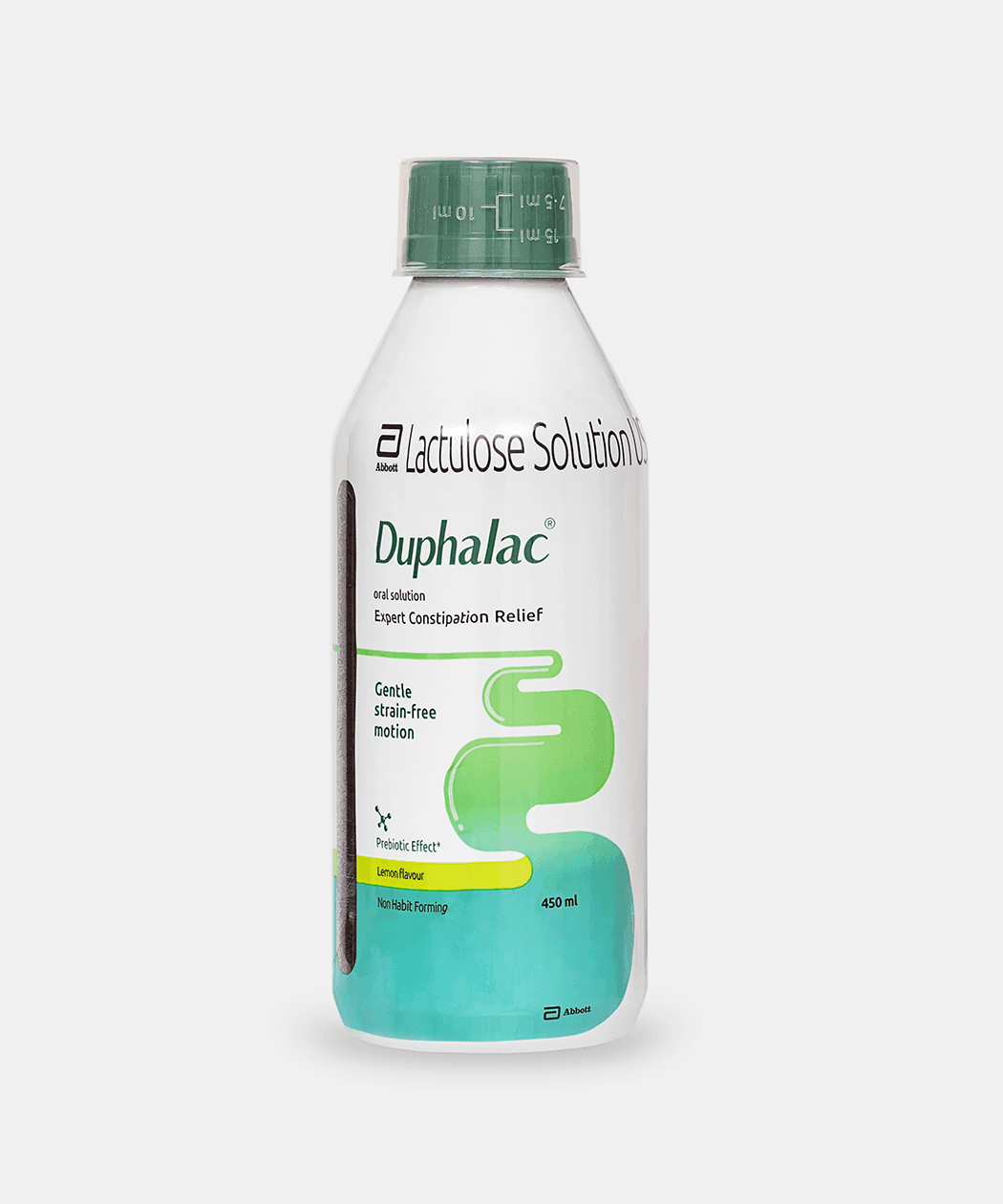
Vendors carrying Lactulose, with live product details and codes. Links are affiliate links that support the wiki at no cost to you.
PCT.Zone
Lactulose
Research
- 2011first citedLactulose: production, purification and potential applications.
- 2016meta-analysisNonabsorbable disaccharides for hepatic encephalopathy: A systematic review and meta-analysis.
- 2023most recentDiagnosis and Management of Cirrhosis and Its Complications: A Review
- 1.Lactulose: production, purification and potential applications.
- 2.Nonabsorbable disaccharides for hepatic encephalopathy: A systematic review and meta-analysis.
- 3.Lactulose: Patient- and dose-dependent prebiotic properties in humans.
- 4.A randomized, double-blind, controlled trial comparing rifaximin plus lactulose with lactulose alone in treatment of overt hepatic encephalopathy
- 5.Diagnosis and Management of Cirrhosis and Its Complications: A Review
5 listed here; entry last updated August 2026
Reviews
My notesprivate to this device
FAQ
How long does lactulose take to work for constipation?
It usually produces a bowel movement within 24 to 48 hours, so it is not an instant fix.
Why is it used for liver disease?
It traps ammonia in the colon and sweeps it out in the stool, which lowers blood ammonia and helps prevent the confusion of hepatic encephalopathy.
Can people with diabetes take it?
Usually yes, but it contains a small amount of sugar, so blood glucose should be monitored and the dose discussed with a doctor.
Why does it cause so much gas?
Gut bacteria ferment lactulose, and that fermentation produces gas; the bloating often eases as your body adjusts.
How do I know the dose is right for encephalopathy?
The dose is adjusted to produce two or three soft stools a day; too little does not help and too much causes diarrhea.
Adverse effects
- Gas and bloating
- Abdominal cramps
- Diarrhea if overused
- Nausea
- Fluid and electrolyte loss with heavy use