
spec sheet12 rows
Oxybutynin is an antimuscarinic (anticholinergic) medication used mainly to calm an overactive bladder and reduce urinary urgency, frequency, and urge incontinence. It works by relaxing the bladder's detrusor muscle and is also used off-label to curb excessive sweating. In use since the 1970s, it remains a long-standing first-line option, though its anticholinergic side effects limit tolerability for some people.
- Calms an overactive bladder and sudden urgency
- Cuts how often the bathroom calls
- Reduces urge incontinence leaks
- Relaxes the detrusor so the bladder holds more
- Patch and gel skip much of the dry mouth
- First line for decades, with many formulations
- Constipation
- Blurred vision
- Drowsiness or confusion, more likely in older adults
Overview
Oxybutynin is an antimuscarinic medication (chemical formula C22H31NO3) prescribed chiefly for overactive bladder and the related symptoms of urinary urgency, frequency, and urge incontinence [1]. The molecule contains a single stereocenter and is supplied as a racemic mixture, although the (R)-enantiomer carries the stronger anticholinergic activity; its main circulating metabolite is N-desethyloxybutynin [3]. Beyond relaxing bladder smooth muscle, it also shows direct antispasmodic and mild local anesthetic properties.
The drug entered clinical use in the 1970s and has since become one of the most familiar bladder relaxants worldwide, often treated as a long-standing reference therapy for detrusor overactivity in adults, children, and older patients [1]. Extended-release formulations markedly lower the number of weekly incontinence episodes compared with no treatment [1]. Off-label, oxybutynin is used to manage hyperhidrosis, or excessive sweating, where randomized trials and pooled analyses report meaningful symptom reductions [5]; it was also historically given for childhood bedwetting, a use that has since declined.
Oxybutynin comes in several forms, including immediate-release and extended-release oral tablets and capsules, a transdermal patch, and a topical gel, which gives prescribers flexibility in balancing benefit against side effects [3]. In most countries it is a prescription medicine, though certain transdermal products have been sold over the counter in the United States. Because it blocks muscarinic receptors throughout the body, it commonly causes dry mouth, constipation, and blurred vision, and large cohort research has linked heavy cumulative use of strong anticholinergics such as oxybutynin to a higher long-term risk of dementia [4].
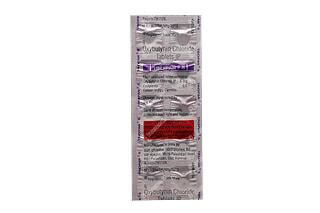
- Oxybutynin has been in continuous clinical use since the 1970s, making it one of the longest-serving overactive-bladder drugs.
- Its transdermal patch was cleared for over-the-counter sale to women in 2013, delivering the drug through the skin to reduce dry mouth.
- Beyond the bladder, it is used off-label to curb excessive sweating because it blocks the same muscarinic receptors that drive perspiration.
Mechanism
Oxybutynin acts by competitively blocking receptors, with particular relevance to the M3 subtype that drives contraction of the bladder's detrusor smooth muscle [2]. By preventing released from parasympathetic nerves from reaching these receptors, it reduces involuntary detrusor contractions, raises functional bladder capacity, and eases urgency [1][2]. The compound also exerts a direct musculotropic, antispasmodic action on smooth muscle along with weak local anesthetic activity, both of which add to its bladder-relaxing effect [1]. Because receptors are widespread, the same blockade elsewhere in the body accounts for typical anticholinergic effects such as reduced salivation and sweating [3].
receptor fingerprint
M3 receptorantagonist
Bladder detrusor smooth musclemodulates
M1 receptorantagonist
M2 receptorantagonist
Smooth-muscle calcium influx (antispasmodic effect)inhibits
Dosingtypical ranges, not medical advice
interested in protocols and clinical dosages? make an account to see them! ^_^
Safetyrisks and cautions, not medical advice
The oral versions are prescription, while a transdermal patch is sold over the counter for women in some markets. The usual anticholinergic effects show up: dry mouth, constipation, blurred vision, trouble emptying the bladder, a fast heartbeat, drowsiness, flushing, and reduced sweating that can lead to overheating in hot weather. In older adults it can fog thinking and memory, and a heavy, long-running anticholinergic burden is linked to a higher risk of dementia, so it is used carefully in the elderly. Steer clear of it in urinary or gastric retention and in uncontrolled narrow-angle glaucoma, and take care with myasthenia gravis and with strong CYP3A4 inhibitors that can push its levels up.
Interactionsdocumented pairs only, not exhaustive
Oxybutynin is a strong antimuscarinic and most of its interactions are simple addition. Combined with other anticholinergics, sedating antihistamines, tricyclic antidepressants or antipsychotics with muscarinic affinity, the burden stacks into dry mouth, constipation, urinary retention, blurred vision, impaired sweating and, in older adults, confusion and delirium. A radioreceptor survey of 107 drugs commonly taken by older adults placed oxybutynin in the middle to high band of measurable anticholinergic activity at ordinary doses.
The pairing with cholinesterase inhibitors is worth singling out: donepezil, rivastigmine and galantamine raise acetylcholine while oxybutynin blocks its receptor, so each undoes the other, and the combination is a common prescribing cascade in dementia care.
Oxybutynin is cleared by CYP3A4, so strong inhibitors such as ketoconazole raise its concentration. It also slows gastric emptying, which can alter how other oral drugs are absorbed.
Checking a whole stack? Run it through interactions + stacks.
History
Oxybutynin was synthesized in the early 1960s as a smooth-muscle antispasmodic, and its capacity to relax the bladder made it a natural candidate for urinary urgency and incontinence. It reached the United States market in the 1970s under the brand name Ditropan, marketed by Marion Laboratories, and it became a foundational antimuscarinic for what would later be formalized as overactive bladder syndrome.
Over the following decades manufacturers introduced formulations aimed at improving tolerability and convenience, including extended-release tablets to smooth out drug levels and, in 2003, a transdermal patch (Oxytrol) that bypassed first-pass metabolism to reduce dry-mouth side effects, later joined by a topical gel (Gelnique). In 2013 the FDA cleared the Oxytrol patch for over-the-counter sale in women, a milestone for self-directed bladder care. Now available as an inexpensive generic, oxybutynin has remained in continuous clinical use for roughly half a century.
Reputation
Oxybutynin is a long-established, first-line workhorse for overactive bladder, respected for genuinely reducing urgency, frequency, and urge incontinence and backed by decades of clinical experience across oral, extended-release, transdermal, and gel forms. A large network meta-analysis of oral overactive-bladder therapies confirmed its efficacy, noting that immediate-release oxybutynin performed strongly on measures such as voided volume per void. Its low cost and wide availability keep it accessible, and the patch and gel formulations meaningfully soften the dry mouth that limits the tablets for some users.
The honest tradeoff is anticholinergic tolerability; because muscarinic receptors are widespread, blockade elsewhere in the body can cause dry mouth, constipation, and, particularly in older adults, cognitive effects that have prompted caution about long-term anticholinergic burden. Used thoughtfully, with formulation chosen to fit the patient, it remains an effective and affordable option, though newer agents are sometimes preferred when tolerability is the priority.
Subjective profileweighing the evidence above
Effective prescription treatment for an overactive bladder, and the patch or gel spares much of the dry mouth. The anticholinergic load is the real issue: it can fog thinking in older adults, and a heavy cumulative anticholinergic burden is linked to higher dementia risk, so age matters here.
Where to buy

Suppliers
Vendors carrying Oxybutynin, with live product details and codes. Links are affiliate links that support the wiki at no cost to you.
PCT.Zone
Oxybutynin
Research
- 2001first citedPharmacokinetics of the R- and S-enantiomers of oxybutynin and N-desethyloxybutynin following o…
- 2023most recentSafety and efficacy of oxybutynin in patients with hyperhidrosis: systematic review and meta-an…
- 1.Oxybutynin in detrusor overactivity
- 2.Muscarinic receptor subtypes and management of the overactive bladder
- 3.Pharmacokinetics of the R- and S-enantiomers of oxybutynin and N-desethyloxybutynin following oral and transdermal administration of the racemate in healthy volunteers
- 4.Cumulative use of strong anticholinergics and incident dementia: a prospective cohort study
- 5.Safety and efficacy of oxybutynin in patients with hyperhidrosis: systematic review and meta-analysis of randomized controlled trials
- 6.Comparative assessment of efficacy and safety of approved oral therapies for overactive bladder: a systematic review and network meta-analysis
6 listed here; entry last updated August 2026
Reviews
My notesprivate to this device
FAQ
Why does it make my mouth so dry?
Blocking muscarinic receptors slows the salivary glands, and its active metabolite adds to it; the patch and gel usually cause less dryness than tablets.
Is it safe for older adults?
It is used cautiously, since anticholinergics can cloud memory and thinking and a high long-term burden is linked to greater dementia risk, so lower doses or other options are often preferred.
How long until it works?
Some relief can come within days, but give it a few weeks of steady use to judge the full effect on urgency and frequency.
What is the difference between the tablet and the patch?
The patch skips the gut and liver first pass, so it makes less of the metabolite behind dry mouth and is often better tolerated.
Can it cause overheating?
Yes; it reduces sweating, so take care with hard exercise or hot weather since your body cools itself less well.
Adverse effects
- Constipation
- Blurred vision
- Drowsiness or confusion, more likely in older adults
- Reduced sweating and heat intolerance
Notes and cautions
- Dry mouth
- Higher dementia risk linked to heavy long-term anticholinergic use