
data + articles · 5 listed
newest 2025spec sheet13 rows
Pantoprazole is a proton pump inhibitor (PPI) of the benzimidazole class used to reduce stomach acid. It works by irreversibly blocking the H+/K+ ATPase, the acid pump of the stomach's parietal cells, and is prescribed for conditions such as gastroesophageal reflux disease, erosive esophagitis, peptic ulcers, and acid-hypersecretory states. First marketed in the 1990s, it is available in oral and intravenous forms.
- Shuts down the stomach acid pump irreversibly
- Reflux, erosive esophagitis and ulcers heal reliably
- Fewer drug interactions than omeprazole, which matters on clopidogrel
- Powerful acid control that lasts all day
- Simple once daily tablet, with an intravenous form in hospitals
- A proven proton pump inhibitor since the 1990s
- Headache
- Diarrhea or nausea
- Abdominal discomfort
Overview
Pantoprazole is a proton pump inhibitor, a substituted benzimidazole that suppresses the production of gastric acid [1]. It was first marketed in Germany in the mid-1990s and approved in the United States in 1999, joining a class of acid-suppressing drugs that also includes omeprazole and related agents [1]. Compared with some earlier compounds in the class, pantoprazole was noted for its stability at near-neutral pH [3].
Pantoprazole is used to treat and prevent disorders driven by stomach acid. Common indications include gastroesophageal reflux disease and the erosive esophagitis it can cause, peptic ulcers of the stomach and duodenum, prevention of ulcers linked to nonsteroidal anti-inflammatory drugs, and acid-hypersecretory conditions such as Zollinger-Ellison syndrome [1]. It is also used within combination regimens to help eradicate the ulcer-associated bacterium Helicobacter pylori [1].
The drug is available as oral tablets and as an intravenous formulation for hospital use, and it works best when taken before a meal [1]. It is widely used and generally well tolerated, though the proton pump inhibitor class as a whole has been examined for possible effects of long-term use, including associations with reduced bone density and fracture risk that have prompted narrative reviews of the evidence [4]. Pantoprazole is a prescription medicine in many settings, with lower-strength versions sold over the counter in some countries.


- Pantoprazole binds the stomach's acid pump so tightly that the affected pumps stay switched off until the cell manufactures new ones.
- It is available as an intravenous drip as well as a tablet, which makes it useful for hospital patients who cannot swallow pills.
- It tends to rely less on the liver enzyme CYP2C19 than some other proton pump inhibitors, which can mean fewer drug interactions.
Mechanism
Pantoprazole is a that is absorbed and then carried to the acid-secreting parietal cells of the stomach lining, where it concentrates in their highly acidic secretory canaliculi [1]. In that acidic setting it is converted to its active form, which binds covalently to the H+/K+ ATPase, the enzyme often called the gastric proton pump that carries out the final step of acid secretion [3]. Because this binding is essentially irreversible, the affected pumps stay shut down until the cell makes new ones, giving a durable reduction in both basal and stimulated acid output [1][2]. The broader pharmacology of this gastric acid pump, and its blockade by inhibitors of this class, has been characterized in detail [2].
receptor fingerprint
Gastric H+/K+ ATPase (proton pump)inhibits
Parietal cell acid secretionmodulates
Serum gastrin (feedback loop)modulates
CYP2C19 enzymemodulates
CYP3A4 enzymemodulates
Dosingtypical ranges, not medical advice
interested in protocols and clinical dosages? make an account to see them! ^_^
Safetyrisks and cautions, not medical advice
Pantoprazole is prescription and generally well tolerated. Short-term effects include headache, diarrhea, and nausea. As with the PPI class, long-term use is associated with low magnesium, vitamin B12 and iron shortfalls, a higher risk of Clostridioides difficile and other infections, bone fractures, and occasionally acute interstitial nephritis in the kidney. It has fewer interactions than omeprazole and is often preferred alongside clopidogrel. Doctors generally advise the lowest effective dose for the shortest time, and reducing acid can lower the absorption of drugs that need an acidic stomach.
Interactionsdocumented pairs only, not exhaustive
Pantoprazole's main interaction is not metabolic at all; it is the gastric pH it creates. Drugs that need acid to dissolve lose absorption once it is suppressed, so atazanavir, nelfinavir and rilpivirine, the azole antifungals ketoconazole and itraconazole, erlotinib and dasatinib, and mycophenolate mofetil all reach lower concentrations. For the antiretrovirals this can cost virological control, which is why those combinations are restricted rather than merely monitored.
Pantoprazole inhibits CYP2C19 weakly in vitro, and the clopidogrel question follows from that. In healthy subjects it lowered clopidogrel active metabolite exposure by roughly 14 percent, too little to change platelet inhibition, and outcome analyses have not linked pantoprazole to recurrent myocardial infarction; among proton pump inhibitors it is the one with the least CYP2C19 involvement.
Two further effects are worth naming. Proton pump inhibitors reduce renal tubular secretion of methotrexate and can prolong toxic exposure during high-dose treatment, and prolonged use lowers magnesium, vitamin B12 and non-heme iron absorption, digoxin at low magnesium being the clearest downstream case.
Checking a whole stack? Run it through interactions + stacks.
History
Pantoprazole was developed by the German pharmaceutical company Byk Gulden, later part of Altana Pharma, as a member of the benzimidazole class of proton pump inhibitors that followed omeprazole's landmark demonstration that the stomach's acid pump could be selectively shut down. The compound was synthesized in the mid-1980s and refined to bind covalently and essentially irreversibly to the H+/K+ ATPase of the parietal cell, giving durable suppression of acid secretion.
It was first marketed in Germany in 1994 and reached the United States in 2000 under the brand name Protonix, marketed by Wyeth, in both oral and intravenous forms, the latter useful for hospitalized patients unable to take medicines by mouth. Pantoprazole is indicated for gastroesophageal reflux disease, erosive esophagitis, peptic ulcers, and acid-hypersecretory conditions such as Zollinger-Ellison syndrome. It is now a widely prescribed generic and appears on the World Health Organization list of essential medicines.
Reputation
Pantoprazole is a dependable, heavily used proton pump inhibitor valued for potent, long-lasting acid suppression and for a comparatively clean drug-interaction profile; because it depends less on the CYP2C19 enzyme than some peers, it is often chosen for patients taking multiple medications. The availability of an intravenous form gives it particular utility in the hospital, and its low generic cost keeps it accessible.
Decades of clinical use underpin its role in healing erosive esophagitis and controlling reflux and ulcer disease, and research continues to probe its use even in difficult populations. The evidence is not uniformly strong everywhere; a Cochrane review found only sparse, low-certainty data on proton pump inhibitors specifically in preterm infants, a reminder that its benefit is best established in the adult and typical GERD settings for which it was developed. Like others in its class, it is intended for appropriate durations, since prolonged acid suppression carries its own considerations.
Subjective profileweighing the evidence above
Very good at what it does; reflux, erosive esophagitis and ulcers heal reliably, and it interacts with less than omeprazole, which matters if you are on clopidogrel. The class problems are all about duration, so take the course you need and reassess rather than staying on it for years by default.
Where to buy
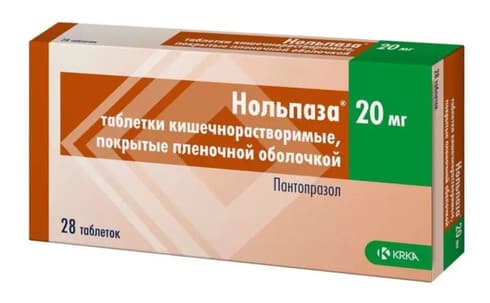
1 other outlet

Suppliers
Vendors carrying Pantoprazole, with live product details and codes. Links are affiliate links that support the wiki at no cost to you.
PCT.Zone
Pantoprazole
RUPharma🌐
Pantoprazole
Research
- 1992first citedPantoprazole: a novel H+/K(+)-ATPase inhibitor with an improved pH stability
- 2025most recentSafety and efficacy of proton pump inhibitors in preterm infants with gastroesophageal reflux d…
- 1.Pantoprazole
- 2.The pharmacology of the gastric acid pump: the H+,K+ ATPase
- 3.Pantoprazole: a novel H+/K(+)-ATPase inhibitor with an improved pH stability
- 4.Proton Pump Inhibitors and Bone Health: An Update Narrative Review
- 5.Safety and efficacy of proton pump inhibitors in preterm infants with gastroesophageal reflux disease
5 listed here; entry last updated August 2026
Reviews
My notesprivate to this device
FAQ
How is it different from omeprazole?
They work the same way, but pantoprazole causes fewer drug interactions and is often preferred for people taking clopidogrel.
Can it be given by IV?
Yes, hospitals use an intravenous form for bleeding ulcers and to prevent stress ulcers in very ill patients.
Before or after food?
Best about 30 minutes before a meal, since the acid pumps are most active as you start to eat.
Are there risks with long-term use?
Extended use is linked to low magnesium and B12, fracture risk, and gut infections, so use the lowest dose that controls symptoms.
Can I crush the tablet?
No; it is a delayed-release tablet designed to survive stomach acid, so it should be swallowed whole.
Adverse effects
- Headache
- Diarrhea or nausea
- Abdominal discomfort
- Reduced magnesium or vitamin B12 with long-term use
- Possible lower bone density and fracture risk with prolonged use