
spec sheet7 rows
Trimebutine is a peripherally acting opioid receptor agonist used for irritable bowel syndrome and postoperative ileus; it slows a fast gut and speeds a slow one rather than pushing motility in one direction.
- Slows a fast gut and speeds a slow one
- Bidirectional motility control rather than one direction
- Little central penetration from a deliberately weak agonist
- A long uneventful record across France, Japan and the CIS
- Mild, safe and easy to live with
- An option in irritable bowel syndrome
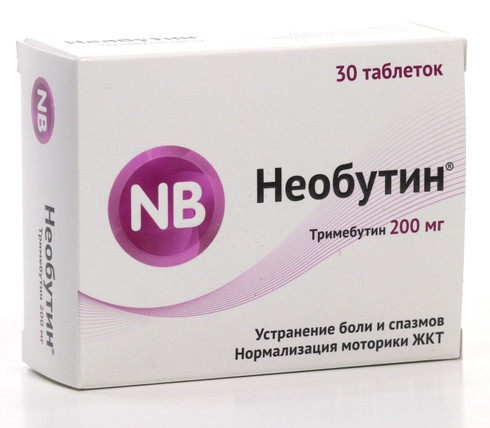
- Trimebutine is usually filed as an antispasmodic but it is really a peripheral non-selective opioid receptor agonist that also modulates multiple enteric ion channels; that dual identity is why it can treat both hypermotility and hypomotility disorders [1].
- Its active metabolite, N-monodesmethyl-trimebutine (nortrimebutine), carries much of the pharmacological activity, and both parent and metabolite act peripherally rather than centrally [4].
- In a randomised placebo-controlled trial in 50 IBS patients, trimebutine 100 mg three times daily for two weeks reduced pain score from 13.1 to 2.7 versus 12.5 to 7.7 on placebo, and reduced bloating from 10.3 to 2.6 with no significant placebo effect on bloating [2].
- A 2025 meta-analysis of 37 RCTs and 4,360 participants found trimebutine plus probiotics substantially outperformed trimebutine alone in IBS (93.5% vs 73.8% response, OR 5.09, 95% CI 4.19-6.20), with adverse event rates of 1.75% and 1.69% and no serious adverse events in either arm [3]. Note that the underlying trials are predominantly Chinese and the comparison is add-on, not head-to-head against a modern IBS agent.
- Trimebutine has been marketed since the late 1960s in France, Japan, Canada, Mexico and much of Asia; it has never been FDA-approved in the United States.
Mechanism
It is a weak non-selective at mu, kappa and delta opioid receptors on the enteric nervous system with little central penetration, and it also blocks calcium channels in intestinal smooth muscle. The clinical effect reads as normalisation of motility rather than stimulation or inhibition.
receptor fingerprint
Mu-opioid receptor (OPRM1), peripheral / entericAgonist
Kappa-opioid receptor (OPRK1), peripheral / entericAgonist
Delta-opioid receptor (OPRD1), peripheral / entericAgonist
Enteric ion channels (multiple; sodium, calcium, potassium conductances in gut smooth muscle)Modulator
Gastrointestinal release (motilin, VIP, gastrin, glucagon)Modulation
Safetyrisks and cautions, not medical advice
a prescription medicine across the CIS, France, Japan and Korea with no licence at all in the US or UK, so an import buyer is self-treating a gut complaint no local prescriber has assessed
Subjective profileweighing the evidence above
Mild, safe and low ceiling. The bidirectional motility story is appealing and the drug has a long uneventful record across France, Japan and the CIS, but the effect in irritable bowel syndrome is small and nobody should expect a transformation from it. The real objection sits upstream of the drug: irritable bowel syndrome is what is left after coeliac disease, inflammatory bowel disease and, in the wrong age group, colorectal cancer have been ruled out, and importing a gut medicine skips exactly that step. Weight loss, bleeding, or pain that wakes someone at night is not irritable bowel syndrome and needs a doctor rather than a capsule.
Where to buy
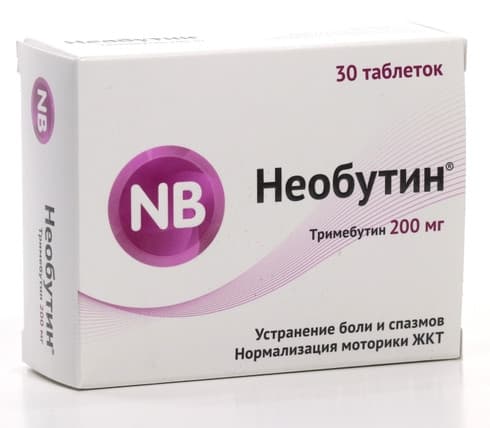
Suppliers
Vendors carrying Trimebutine, with live product details and codes. Links are affiliate links that support the wiki at no cost to you.
RUPharma🌐
Trimebutine
Research
- 1992first cited[Trimebutine. Pharmacology, recent concepts about its mechanism of action, therapeutic results]
- 2025most recentProbiotics Combined With Trimebutine for the Treatment of Irritable Bowel Syndrome Patients: A…
- 1.Trimebutine: a state-of-the-art review
- 2.The effect of trimebutine on the psychosocial adjustment to illness in the irritable bowel syndrome
- 3.Probiotics Combined With Trimebutine for the Treatment of Irritable Bowel Syndrome Patients: A Systematic Review and Meta-Analysis
- 4.[Trimebutine. Pharmacology, recent concepts about its mechanism of action, therapeutic results]
- 5.Addictive potential of trimebutine
5 listed here; entry last updated August 2026
Reviews
My notesprivate to this device
Notes and cautions
- There is no boxed warning and the tolerability profile is genuinely mild; dry mouth, nausea and dizziness dominate, with an adverse event rate under 2% in the largest pooled analysis and no serious adverse events reported [3].
- The one signal worth naming is abuse liability: a published case report documents dependence on trimebutine, which is unsurprising for an opioid receptor agonist even a peripherally acting one, and it should not be dismissed as impossible [5].
- Because it is an opioid agonist, it should be used cautiously alongside other opioids and in anyone with a history of substance use disorder, and it is not appropriate for undiagnosed abdominal pain where alarm features have not been excluded.