
spec sheet11 rows
Eicosapentaenoic acid (EPA) is a long-chain omega-3 polyunsaturated fatty acid, designated 20:5(n-3), found mainly in oily fish, fish oil, and certain microalgae. It is incorporated into cell membranes and serves as a precursor to signaling molecules that regulate inflammation, blood clotting, and immune function. A highly purified prescription form has been shown to lower cardiovascular risk in people with elevated triglycerides.
- The omega 3 that matters most for mood
- Best antidepressant data of any omega 3 formula
- Calms inflammation at the signaling molecule level
- Lowers triglycerides and cardiovascular risk
- Improves how blood vessels behave
- Pulled straight from oily fish and microalgae
- Fishy aftertaste or belching
- Mild stomach upset or diarrhea
- Increased bleeding tendency at high intake
Overview
Eicosapentaenoic acid is one of the two principal marine omega-3 fatty acids, alongside docosahexaenoic acid (DHA). Structurally it is a twenty-carbon chain carrying five cis double bonds, the first of which lies three carbons from the methyl (omega) end, giving the shorthand designation 20:5(n-3). The human body can make small amounts of EPA from the plant omega-3 alpha-linolenic acid, but this conversion is inefficient, so dietary intake from fish and algae is the main source. Fish themselves largely acquire EPA by eating algae rather than synthesizing it.
EPA is built into the phospholipids of cell membranes and acts as a substrate for the enzymes that generate eicosanoids, including prostaglandins, thromboxanes, and leukotrienes, as well as newer families of anti-inflammatory and inflammation-resolving mediators known as resolvins [2]. Because the eicosanoids formed from EPA are generally less inflammatory than those made from the omega-6 fatty acid arachidonic acid, a higher EPA intake tends to shift the body toward a less inflammatory state [2].
Ordinary fish-oil supplements have produced mixed results for preventing heart attacks and strokes, but a large randomized trial, REDUCE-IT, found that a high-dose purified EPA ethyl ester (icosapent ethyl) significantly reduced cardiovascular events in patients whose triglycerides remained elevated despite statin therapy [1]. EPA has also been studied in mood disorders; a meta-analysis of supplementation trials in major depression found a modest overall benefit that was greater for EPA-predominant formulations [3].
EPA is available both as a nutrient in foods and as fish-oil dietary supplements, which usually contain a mixture of EPA and DHA. In purified pharmaceutical form it is marketed as the prescription drug icosapent ethyl (Vascepa), approved as an adjunct to diet for very high triglycerides and, in some regions, to reduce cardiovascular risk [1]. Marine bacteria and microalgae produce EPA through dedicated biosynthetic pathways, and algal oil offers a plant-derived source for people who do not eat fish.
Mechanism
EPA works largely by being incorporated into membrane phospholipids, where it alters membrane composition and competes with the omega-6 fatty acid arachidonic acid as a substrate for the enzymes cyclooxygenase and lipoxygenase [2]. The eicosanoids it yields, such as the three-series prostaglandins and thromboxanes and the five-series leukotrienes, tend to be weaker drivers of inflammation and platelet aggregation than their arachidonic-acid-derived counterparts [2].
EPA and DHA are also converted into resolvins and related specialized mediators that actively help switch off inflammation. Additional mechanisms include suppression of the pro-inflammatory transcription factor NF-kB, activation of the nuclear receptor PPAR-gamma, and signaling through the membrane receptor GPR120, which together lower the output of inflammatory cytokines [2]. In the cardiovascular setting, purified EPA lowers triglyceride levels and appears to add anti-inflammatory and plaque-stabilizing actions that contribute to its clinical benefit [1].
receptor fingerprint
Resolvin E-series synthesisprecursor
Arachidonic acid pathwaycompetes with
Mood/modulates
Triglyceride levelslowers
Platelet aggregationreduces
Dosingtypical ranges, not medical advice
interested in protocols and clinical dosages? make an account to see them! ^_^
Safetyrisks and cautions, not medical advice
EPA is very safe for most people; high doses can cause a fishy aftertaste, mild GI upset, and a mild blood-thinning effect. People on anticoagulants should mention high-dose fish oil to their doctor. A purified product limits contaminant concerns.
Subjective profileweighing the evidence above
The omega-3 that matters most for mood and inflammation; higher-EPA formulas have the best antidepressant data.
Where to buy
Suppliers
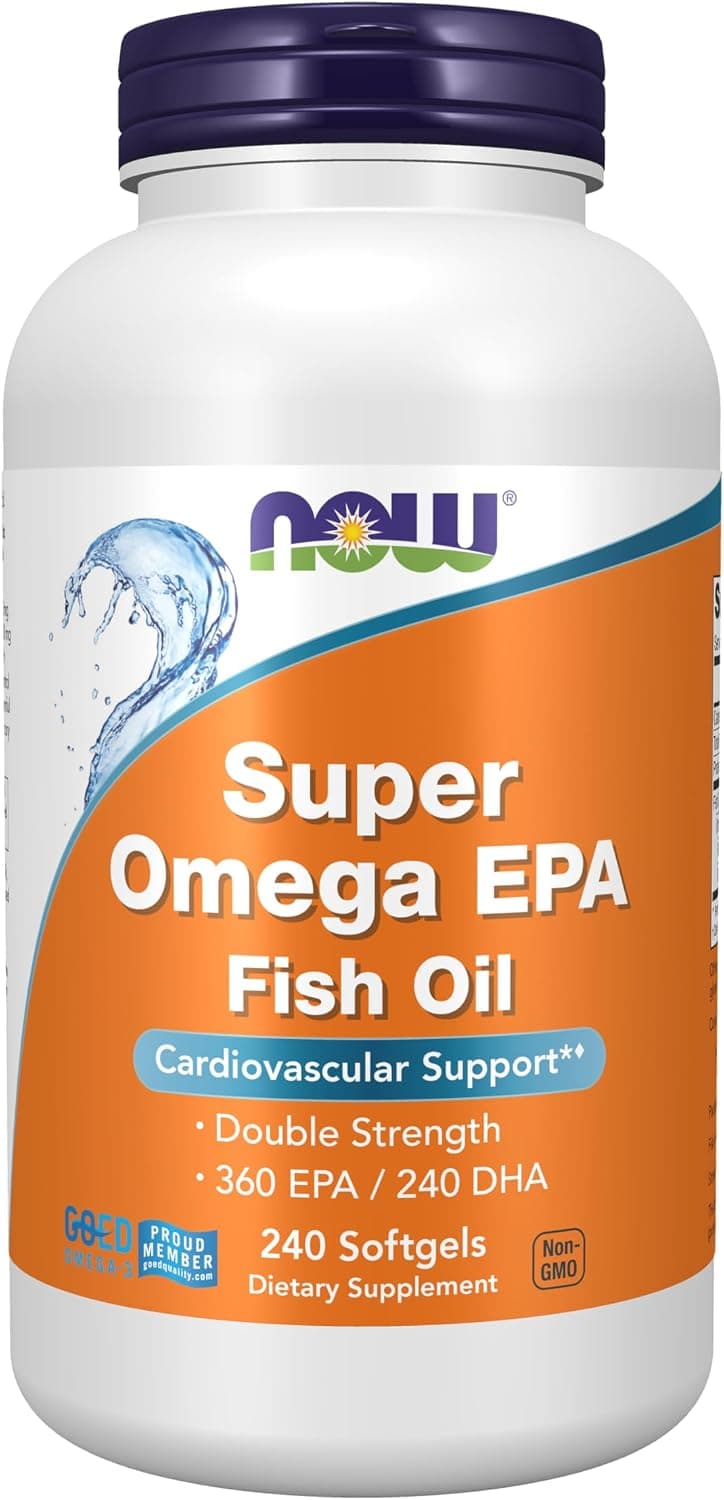
Vendors carrying EPA, with live product details and codes. Links are affiliate links that support the wiki at no cost to you.
Amazon
EPA
Research
- 2013first citedOmega-3 polyunsaturated fatty acids and inflammatory processes: nutrition or pharmacology?
- 2016meta-analysisMeta-analysis and meta-regression of omega-3 polyunsaturated fatty acid supplementation for maj…
- 2019most recentCardiovascular Risk Reduction with Icosapent Ethyl for Hypertriglyceridemia.
- 1.Cardiovascular Risk Reduction with Icosapent Ethyl for Hypertriglyceridemia.
- 2.Omega-3 polyunsaturated fatty acids and inflammatory processes: nutrition or pharmacology?
- 3.Meta-analysis and meta-regression of omega-3 polyunsaturated fatty acid supplementation for major depressive disorder
3 listed here; entry last updated August 2026
Reviews
My notesprivate to this device
FAQ
EPA or DHA for mood?
EPA is the one to emphasize for mood; higher-EPA formulas have the best antidepressant evidence.
What ratio should I look for?
For mood, products with an EPA-to-DHA ratio around 2:1 or higher tend to perform best in trials.
Does it help inflammation?
Yes, EPA feeds pro-resolving mediators that actively help shut down inflammation.
Should I still take DHA?
Yes, DHA covers the structural brain and eye needs, so a combined product is ideal.
Adverse effects
- Fishy aftertaste or belching
- Mild stomach upset or diarrhea
- Increased bleeding tendency at high intake
- Higher rate of atrial fibrillation seen with high-dose prescription EPA