
spec sheet12 rows
Ivermectin is a broad-spectrum antiparasitic medication of the avermectin family, a group of macrocyclic lactones derived from a soil bacterium. It is used in both human and veterinary medicine to treat and control a range of roundworm and external-parasite infections, including river blindness, strongyloidiasis, and scabies [1][2]. Its discovery was recognized with a share of the 2015 Nobel Prize in Physiology or Medicine, reflecting its impact on tropical disease worldwide [1].
- Excellent for the parasitic infections it is meant for
- Treats river blindness, strongyloidiasis, and scabies
- Its discovery won a share of the 2015 Nobel Prize
- Single dose convenience for many uses
- Well tolerated at approved doses
- Also comes as a topical for rosacea and lice
- Rare serious neurological reactions can occur in people co-infected with Loa loa
- Very high doses can cause neurological toxicity
Overview
Ivermectin is an antiparasitic drug belonging to the avermectin class, a family of macrocyclic lactones produced by bacterial fermentation [1][2]. The commercial substance is a roughly 80 to 20 mixture of two closely related dihydroavermectin components, and it is prepared for both oral and topical use [1]. It is effective against a wide range of parasitic worms and external parasites while remaining comparatively safe for mammals at the doses used in treatment [2].
The compound traces back to a soil-dwelling bacterium, Streptomyces avermitilis, isolated in Japan in 1970 by Satoshi Omura, whose samples were studied at the pharmaceutical company Merck by William Campbell [1]. Their work identified the avermectins and led to ivermectin, a semi-synthetic derivative with improved properties [1]. Omura and Campbell shared half of the 2015 Nobel Prize in Physiology or Medicine for the discovery, which sharply reduced the burden of river blindness and lymphatic filariasis in affected regions [1].
In human medicine ivermectin is a treatment of choice for onchocerciasis, commonly called river blindness, and for strongyloidiasis, and it is also used for lymphatic filariasis, scabies, and infestations with lice [1][2]. A topical form is applied for the inflammatory skin condition rosacea, which is linked to Demodex mites [2]. In veterinary practice it is widely given to prevent heartworm in dogs and to control gastrointestinal and other parasites in livestock and companion animals [2].
Ivermectin was approved for human use in 1987 and appears on the World Health Organization's List of Essential Medicines [2]. It is a prescription medicine available as a generic, sold under brand names such as Stromectol and the topical Soolantra for people, and Heartgard and Mectizan in other settings [1][2].
During the COVID-19 pandemic, false claims spread that ivermectin could prevent or treat the disease; a Cochrane systematic review of randomized trials concluded that it offers no meaningful benefit for COVID-19, and major health agencies advised against such use [2][3]. The drug's overall safety record is regarded as excellent, though pharmacovigilance studies have catalogued rare serious reactions, including neurological events that can occur in people co-infected with the Loa loa parasite [3][4].
- The entire avermectin family traces back to a single soil sample; no second natural source of these compounds has ever been found.
- Ivermectin's discovery earned Satoshi Omura and William Campbell a share of the 2015 Nobel Prize in Physiology or Medicine.
- It spares mammals partly because the blood-brain barrier keeps it away from the central nervous system; certain dogs with an MDR1 gene mutation lack this protection and are unusually sensitive.
Mechanism
Ivermectin acts mainly as a selective positive modulator of -gated chloride channels, a type of ion channel found in the nerve and muscle cells of invertebrates such as nematodes and insects but absent in mammals [1][2]. By binding these channels it holds them open, allowing a sustained inflow of chloride ions that hyperpolarizes the cell; the affected nerves and muscles are paralyzed, and the parasite is immobilized, unable to feed, and eventually dies [2]. At higher concentrations the drug can also interact with other chloride channels, including those gated by the neurotransmitter [1].
Mammals are largely spared because these particular -gated channels are confined to the invertebrate nervous system, and because the normally keeps ivermectin away from the central nervous system, where -gated channels are located [2]. That barrier depends on the P-glycoprotein transporter, which is why certain dog breeds carrying an MDR1 gene mutation, along with animals given very large doses, are vulnerable to neurological toxicity [2]. Laboratory studies have reported antiviral, antimalarial, and anticancer activity in cell culture, but these effects appear only at concentrations far above those reached with ordinary antiparasitic dosing [2][3].
receptor fingerprint
-gated chloride channels (parasites)agonist
Parasite neuromuscular functiondisrupts
-gated channels (invertebrates)modulates
Viral replication (cell culture only)inhibits
Dosingtypical ranges, not medical advice
interested in protocols and clinical dosages? make an account to see them! ^_^
Safetyrisks and cautions, not medical advice
At approved antiparasitic doses it is generally well tolerated, with side effects like dizziness, nausea, and itching, sometimes from the immune reaction to dying parasites. High or repeated off-label doses, or veterinary formulations, can cause neurological toxicity, and overdoses have led to hospitalizations. It should only be used under medical guidance and never in animal-product form meant for livestock.
Interactionsdocumented pairs only, not exhaustive
Ivermectin's interactions follow from two handling routes: CYP3A4 does most of its metabolism, and P-glycoprotein at the blood-brain barrier keeps it out of the central nervous system.
The P-glycoprotein arm has a clear mechanism and a dramatic natural experiment behind it. Dogs of herding breeds carrying an ABCB1 loss-of-function variant develop severe neurotoxicity at ivermectin exposures other dogs tolerate, because the efflux pump that normally excludes the drug from the brain is absent. The same logic applies to drugs that inhibit P-glycoprotein, including ketoconazole, itraconazole, ritonavir, verapamil, cyclosporine and amiodarone; they raise the fraction reaching the brain, so the concern is neurological rather than systemic.
Strong CYP3A4 inhibitors raise plasma ivermectin, while inducers such as rifampin and carbamazepine lower it and can undertreat the parasite. Case reports describe INR rising on warfarin after ivermectin by an unexplained mechanism. Food is worth naming alongside the drugs: a fatty meal roughly doubles absorption, which moves exposure more than most drug pairings do.
Checking a whole stack? Run it through interactions + stacks.
History
Ivermectin belongs to the avermectin family, a class of macrocyclic lactones discovered through a celebrated collaboration between Satoshi Omura at the Kitasato Institute in Japan and William C. Campbell at Merck in the United States during the late 1970s. Omura isolated a novel soil-dwelling actinomycete, later named Streptomyces avermitilis, from a single soil sample; Campbell's team then demonstrated that its fermentation products had extraordinary antiparasitic potency.
Chemical modification of the natural avermectins yielded ivermectin, which Merck introduced for veterinary use around 1981 and which rapidly became one of the best-selling animal-health products in the world. Human use followed, most notably against onchocerciasis (river blindness), and in 1987 Merck committed to donating the drug for as long as needed to eliminate the disease, one of the largest ongoing medical donation programs ever undertaken. In 2015 Omura and Campbell were awarded a share of the Nobel Prize in Physiology or Medicine for the discovery. Ivermectin remains a cornerstone of global efforts against several neglected tropical diseases.
Reputation
Ivermectin enjoys a reputation as one of the most impactful medicines of the twentieth century, credited with transforming the outlook for hundreds of millions of people at risk of parasitic disease across the tropics. It is prized for its broad activity against roundworms and external parasites, its favorable safety margin in humans at standard antiparasitic doses, and its remarkable affordability. Its selectivity rests on a genuine biological difference: the glutamate-gated chloride channels it targets exist in invertebrate nerve and muscle but not in mammals.
The Nobel committee's recognition in 2015 underscored just how profoundly it has reduced the burden of river blindness and lymphatic filariasis. It is honest to note that widely publicized laboratory activity against viruses and cancer cells occurs only at concentrations far above those achievable with ordinary dosing, so those uses remain unproven. As an antiparasitic, however, its record is exceptional.
Subjective profileweighing the evidence above
Excellent for the parasitic infections it's actually meant for; the immune and antiviral hype isn't backed by good data, so it isn't recommended for that.
Where to buy
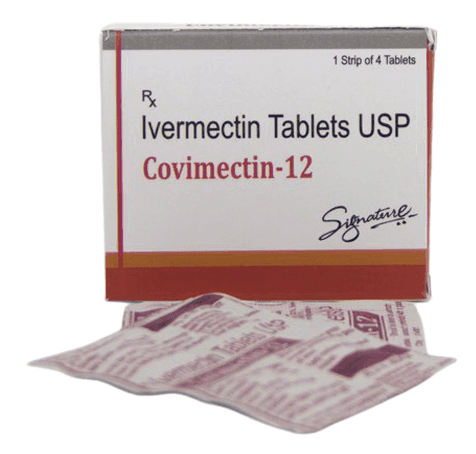
Suppliers
Vendors carrying Ivermectin, with live product details and codes. Links are affiliate links that support the wiki at no cost to you.
PCT.Zone
Ivermectin
RUPharma🌐
Ivermectin
RUPharma🌐
Ivermectin
Research
- 2015first citedNobel prize for the artemisinin and ivermectin discoveries: a great boost towards elimination o…
- 2022most recentIvermectin for preventing and treating COVID-19.
- 1.Ivermectin: Old Drug, New Tricks?
- 2.Ivermectin: An Anthelmintic, an Insecticide, and Much More
- 3.Ivermectin for preventing and treating COVID-19.
- 4.Serious adverse reactions associated with ivermectin: A systematic pharmacovigilance study in sub-Saharan Africa and in the rest of the World.
- 5.Nobel prize for the artemisinin and ivermectin discoveries: a great boost towards elimination of the global infectious diseases of poverty
5 listed here; entry last updated August 2026
Reviews
My notesprivate to this device
FAQ
What is ivermectin actually for?
Parasitic infections like river blindness, strongyloidiasis, scabies, and lice.
Does it work for COVID or as an antiviral?
Good-quality trials did not support a meaningful benefit; the antiviral claims didn't hold up.
Is it safe?
At approved doses, generally yes; high off-label or veterinary doses can be dangerous.
Should I use it to boost immunity?
No; there's no solid evidence it works as a general immune booster.
Adverse effects
- Rare serious neurological reactions can occur in people co-infected with Loa loa
- Very high doses can cause neurological toxicity
Notes and cautions
- It has a long record of safety at standard antiparasitic doses
- It is not an effective treatment for COVID-19