
data + articles · 5 listed
newest 2024spec sheet13 rows
Mebendazole is a benzimidazole anthelmintic medication used to treat infections caused by parasitic worms, particularly intestinal roundworms. Developed by Janssen Pharmaceutica and in use since the early 1970s, it appears on the World Health Organization's List of Essential Medicines. Because it is poorly absorbed from the gut, it acts mainly on intestinal parasites with few effects on the rest of the body [1], and it has more recently attracted research interest as a possible repurposed anticancer agent [2].
- A single dose clears pinworm
- Short courses handle the other common gut worms
- Used to treat infections caused by parasitic worms
- Barely absorbed, so side effects stay mild
- On the WHO List of Essential Medicines
- Studied now as a repurposed anticancer agent
- Usually mild, such as abdominal discomfort or nausea
- Headache reported by some people
- Higher or prolonged dosing can affect blood cell counts or the liver
Overview
Mebendazole is a synthetic drug of the benzimidazole class, a group of broad-spectrum anthelmintics that share a common ring structure. It is used to treat a range of intestinal worm infections, including those caused by roundworm (Ascaris), whipworm (Trichuris), pinworm, and hookworm, and it has also been used against some tissue-dwelling parasites [1]. It came into medical use in 1971 after being developed by the Belgian company Janssen Pharmaceutica, and it is now a widely available generic medicine given by mouth, commonly as a chewable tablet [1].
Its effectiveness varies by parasite. Pooled analyses of single-dose mebendazole report high cure rates against Ascaris lumbricoides, with large reductions in egg counts, but considerably lower cure rates against whipworm and hookworm, which is why treatment regimens and combination approaches differ by target [1]. Mebendazole is one of the medicines used in large-scale deworming programs against soil-transmitted helminths, which affect hundreds of millions of people, mainly in tropical and low-income regions [1][3]. Repeated or combination dosing is sometimes needed for the more stubborn infections [1].
The same property that harms parasites has drawn attention to mebendazole in cancer research. The drug interferes with microtubules, the internal scaffolding of cells, and a large body of laboratory work has reported that it can inhibit the growth of cancer cells, block tumor blood-vessel formation, and strengthen the effects of radiation and chemotherapy [2]. Reviews describe it as an appealing candidate for drug repurposing because of its long record of safe human use, favorable pharmacology, and low cost, although its anticancer activity remains investigational and unproven in large clinical trials [2].
Mebendazole is an approved prescription or, in some countries, over-the-counter medicine for worm infections, and its safety profile at standard anthelmintic doses is well established after decades of use [1]. Reported side effects are usually mild and may include abdominal discomfort, while higher or prolonged dosing, such as that explored in cancer research, has been linked to less common effects on the blood and liver [1][2]. It is generally avoided or used cautiously in pregnancy. Its place on the World Health Organization's essential medicines list reflects its importance in the global control of parasitic disease.

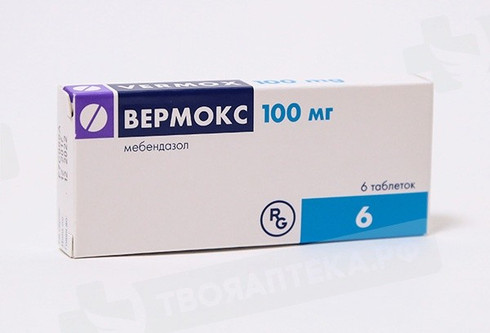
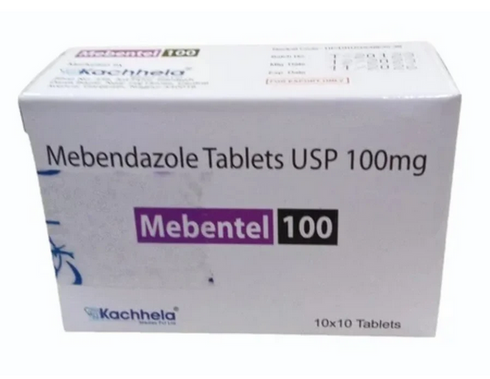
- Mebendazole is so poorly absorbed from the intestine that it acts almost entirely on worms in the gut, which is exactly why it is so gentle on the human host.
- The very same trick it uses to kill parasites, breaking apart microtubules, is why scientists are testing it against cancer, where microtubules are essential for cell division.
- Because it can cross the blood-brain barrier, mebendazole is among the few repurposing candidates studied for brain tumors such as glioma.
Mechanism
Mebendazole kills or immobilizes parasitic worms by attacking their cytoskeleton. It binds selectively to beta-tubulin, the protein building block of microtubules, and prevents tubulin subunits from assembling into functional microtubules [2]. In the cells lining the worm's gut, the loss of microtubules disables essential transport: the parasite can no longer take up glucose and other nutrients or secrete substances properly, so its energy reserves are depleted and it gradually becomes paralyzed and dies [1]. Because mebendazole binds worm tubulin much more avidly than the mammalian form, and because so little of an oral dose is absorbed into the bloodstream, it damages intestinal parasites while largely sparing the human host, which underlies its wide margin of safety at anthelmintic doses [1][2].
The drug's interference with microtubules is also the basis for its investigational anticancer activity. Microtubules are essential to cell division, forming the spindle that separates chromosomes, so disrupting them can arrest and kill rapidly dividing cancer cells [2]. Laboratory studies attribute further anticancer effects to mebendazole, including inhibition of tumor blood-vessel growth, interference with pro-survival signaling, and stimulation of anti-tumor immune responses, and report that it can act together with radiation and other chemotherapy drugs [2]. These effects, seen largely in cultured cells and animal models, are the reason mebendazole is studied as a candidate for repurposing, though its role in cancer treatment is not established [2].
receptor fingerprint
Parasite beta-tubulininhibits
Microtubule polymerizationblocks
Glucose uptake in helminthsinhibits
Fumarate reductase (helminth mitochondria)inhibits
Secretory vesicle transport in worm cellsblocks
Dosingtypical ranges, not medical advice
interested in protocols and clinical dosages? make an account to see them! ^_^
Safetyrisks and cautions, not medical advice
In the doses used for common gut worms mebendazole is very safe because so little reaches the bloodstream. Mild abdominal pain, diarrhea, nausea, or gas can occur, usually as worms are passed. The higher, longer courses used for tissue-invading worms can occasionally raise liver enzymes, lower blood counts, or cause a rash, so blood tests are advised for those uses. It is generally avoided in the first trimester of pregnancy based on animal data. Combining it with metronidazole has been linked to rare severe skin reactions and should be avoided, while cimetidine can raise its levels.
Interactionsdocumented pairs only, not exhaustive
For a single-dose pinworm course, interactions are close to irrelevant; mebendazole is poorly absorbed and systemic exposure is minimal. They matter in the prolonged high-dose regimens used for echinococcosis, where plasma concentration decides whether the drug works.
In that setting, enzyme inducers lower it. Long-term follow-up of hydatid disease patients found that co-administered phenytoin and carbamazepine appeared to reduce plasma mebendazole, presumably through induction, and ritonavir has also been shown to reduce mebendazole exposure. Attempts to raise concentrations with cimetidine gave mixed results, with one series finding no appreciable rise and a later review reporting a higher peak concentration.
One safety association deserves naming. An outbreak investigation among Filipino workers in Taiwan found an odds ratio of 9.5 for Stevens-Johnson syndrome and toxic epidermal necrolysis among people who had taken both metronidazole and mebendazole in the preceding six weeks.
Checking a whole stack? Run it through interactions + stacks.
History
Mebendazole was discovered and developed by the Belgian company Janssen Pharmaceutica, the research house founded by Paul Janssen, and entered clinical use as an anthelmintic in the early 1970s. As a member of the benzimidazole family it was designed to treat infections with intestinal roundworms and other parasitic worms, exploiting its tight binding to worm beta-tubulin and its very low absorption from the gut to achieve a wide margin of safety. It proved broadly effective and inexpensive, and it has long held a place on the World Health Organization's List of Essential Medicines.
Interest in a second life for the drug grew in the early 2000s, when laboratory work noted that its interference with microtubules, the same action that disables parasites, could arrest and kill dividing cancer cells. Since then numerous preclinical studies and early clinical trials have explored mebendazole as a candidate for repurposing across several tumor types, aided by its ability to cross the blood-brain barrier. This oncology role remains investigational and is not established treatment.
Reputation
Mebendazole is esteemed as a safe, effective, and affordable cornerstone of deworming that has helped countless people worldwide, and it enjoys a reputation for reliability with minimal side effects at standard doses. Because so little of the drug is absorbed, it concentrates its action on the parasites in the gut while largely sparing the rest of the body, which underlies its excellent tolerability.
In recent years it has attracted a second wave of scientific attention as a possible repurposed anticancer agent; researchers have been drawn to its microtubule-disrupting action, its low cost, its good safety record, and its capacity to reach the brain, and it has been studied in models of glioma and metastatic breast cancer among others. This promise is genuinely exciting, but honesty demands emphasis that the anticancer evidence comes largely from cells, animals, and early trials, so it is not proven therapy and should not replace standard cancer care.
Subjective profileweighing the evidence above
Cheap, effective and about as boring as a drug gets, in the best way; a single dose clears pinworm and short courses handle the other common gut worms. Almost none of it is absorbed, so side effects stay mild. The blood count and liver cautions belong to the long, high-dose courses for tissue worms.
Where to buy


Suppliers
Vendors carrying Mebendazole, with live product details and codes. Links are affiliate links that support the wiki at no cost to you.
PCT.Zone
Mebendazole
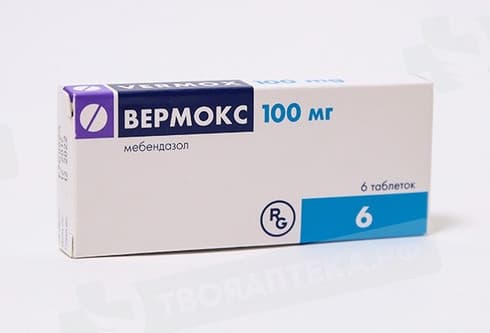
RUPharma🌐
Mebendazole
RUPharma🌐
Mebendazole
Research
- 2016first citedHookworm infection.
- 2024most recentRepurposing mebendazole against triple-negative breast cancer CNS metastasis
- 1.Efficacy of single-dose 500 mg mebendazole in soil-transmitted helminth infections: a review
- 2.Mebendazole as a Candidate for Drug Repurposing in Oncology: An Extensive Review of Current Literature
- 3.Hookworm infection.
- 4.Repurposing mebendazole against triple-negative breast cancer CNS metastasis
- 5.Emerging Perspectives on the Antiparasitic Mebendazole as a Repurposed Drug for the Treatment of Brain Cancers
5 listed here; entry last updated August 2026
Reviews
My notesprivate to this device
FAQ
How does it kill worms?
It wrecks the worms' microtubules so they cannot take up sugar, and they run out of energy and die.
Do I need to treat my whole family?
For pinworm, yes; treating the household at the same time helps stop reinfection.
Why repeat the dose?
A second dose about two weeks later catches worms that hatch from eggs after the first dose.
Is it safe for children?
Yes, it is commonly used in children, generally from about age one to two years upward.
Can I take it while pregnant?
It is usually avoided in the first trimester; discuss timing with your doctor.
Adverse effects
- Usually mild, such as abdominal discomfort or nausea
- Headache reported by some people
- Higher or prolonged dosing can affect blood cell counts or the liver
- Generally avoided or used cautiously in pregnancy