
spec sheet10 rows
Citrus bergamot refers to the bergamot orange (Citrus bergamia), a Mediterranean citrus fruit best known for flavoring Earl Grey tea and for the essential oil used in perfume. As a supplement it is standardized to the bergamot polyphenolic fraction, a mixture of flavonoids studied mainly for lowering cholesterol and improving cardiometabolic markers. The clinical evidence is encouraging but comes largely from small trials.
- Standardized citrus flavonoids that drive real LDL cholesterol drops
- Human trials show big lipid moves with a clean safety record
- Supports insulin sensitivity and healthier blood sugar alongside lipids
- A favorite lipid shield on an anabolic cycle, about 1 g daily
- Natural polyphenol antioxidant from a Mediterranean citrus fruit
- One of the best supported cholesterol supplements on the shelf
- Mild digestive upset
- Bergamot essential oil on the skin can cause photosensitivity
Overview
The bergamot orange is a fragrant citrus fruit, roughly the size of an orange with a yellow or greenish skin, grown almost entirely along a short stretch of coast in Calabria in southern Italy. Genetic evidence suggests it is a hybrid, probably of lemon and bitter orange. Its peel yields an aromatic essential oil long used in perfumery and to flavor Earl Grey tea, while its juice and peel are the source of the polyphenols used in supplements.
The fruit is unusually rich in flavonoids, including neoeriocitrin, naringin, and neohesperidin, together with two compounds of particular interest, brutieridin and melitidin, which are structurally similar to statin drugs. In supplement form the standardized extract is usually described as the bergamot polyphenolic fraction, and it is this fraction, rather than the essential oil, that has been studied for metabolic health.
Much of the clinical work comes from Italian research groups. A double-blind, placebo-controlled study in patients with type 2 diabetes and mixed hyperlipidemia found that the bergamot polyphenolic fraction lowered fasting glucose, LDL cholesterol, and triglycerides while raising HDL cholesterol and reducing the number of small, dense LDL particles [2]. In another controlled study, adding bergamot polyphenols to the statin rosuvastatin enhanced the drug's effect on LDL cholesterol and lowered markers of oxidative vascular damage compared with the statin alone [3]. A systematic review concluded that supplementation with bergamot juice polyphenols reduces plasma lipids and improves the lipoprotein profile in moderate hyperlipidemia, and that inhaled bergamot essential oil may help reduce stress, while cautioning that most studies are small and of limited quality [1].
Citrus bergamot is sold as a dietary supplement, typically as standardized polyphenol capsules. A separate safety point concerns the essential oil: applied to the skin it can cause photosensitivity, increasing the risk of sunburn, so topical use requires care.

Mechanism
Bergamot's cardiometabolic effects are attributed to its flavonoids. Two of them, brutieridin and melitidin, structurally resemble statins and are thought to inhibit HMG-CoA reductase, the rate-limiting enzyme in the body's synthesis of cholesterol, which would help lower LDL cholesterol [1]. The broader polyphenolic fraction also appears to improve both the lipid and glucose profile and to reduce markers of in blood vessels; in one trial it strengthened the LDL-lowering effect of a statin while lowering oxidized-LDL and related markers [2][3]. Separately, inhaled bergamot essential oil has been studied for stress reduction. A practical caution is that the essential oil contains bergapten, a compound that makes skin more sensitive to ultraviolet light [1].
receptor fingerprint
HMG-CoA reductase (HMGR)inhibitor
AMP-activated protein kinase ()activator
SREBP lipogenic gene programmodulator
Paraoxonase-1 (PON1)activator
Pancreatic cholesterol ester hydrolase (pCEH)inhibitor
Dosingtypical ranges, not medical advice
interested in protocols and clinical dosages? make an account to see them! ^_^
Safetyrisks and cautions, not medical advice
Standardized citrus bergamot polyphenol extract has been well tolerated in cholesterol trials running up to 12 weeks, with clinical studies reporting lipid improvements without major adverse events. Reported side effects are mild: digestive discomfort, headache, and possible skin photosensitivity, the last reflecting bergamot's furanocoumarin content and sensitivity to sunlight.
The most actionable caution is drug interactions; because it lowers lipids and shares metabolic pathways, it may add to or interact with statins, other cholesterol-lowering agents, and blood-pressure medication, so combined use warrants clinician oversight. Long-term (beyond 12 weeks) safety has not been well characterized, and there is insufficient data to establish safety in pregnancy or breastfeeding. Overall the documented risk profile is favorable at studied doses, with interactions and photosensitivity as the notable watch-points.
Subjective profileweighing the evidence above
One of the better-supported cholesterol supplements, with standardized polyphenol extracts producing real LDL drops in trials and a clean tolerability record. The trials are small, so treat it as a useful adjunct rather than a statin replacement, and mention it if you already take a lipid drug.
Where to buy
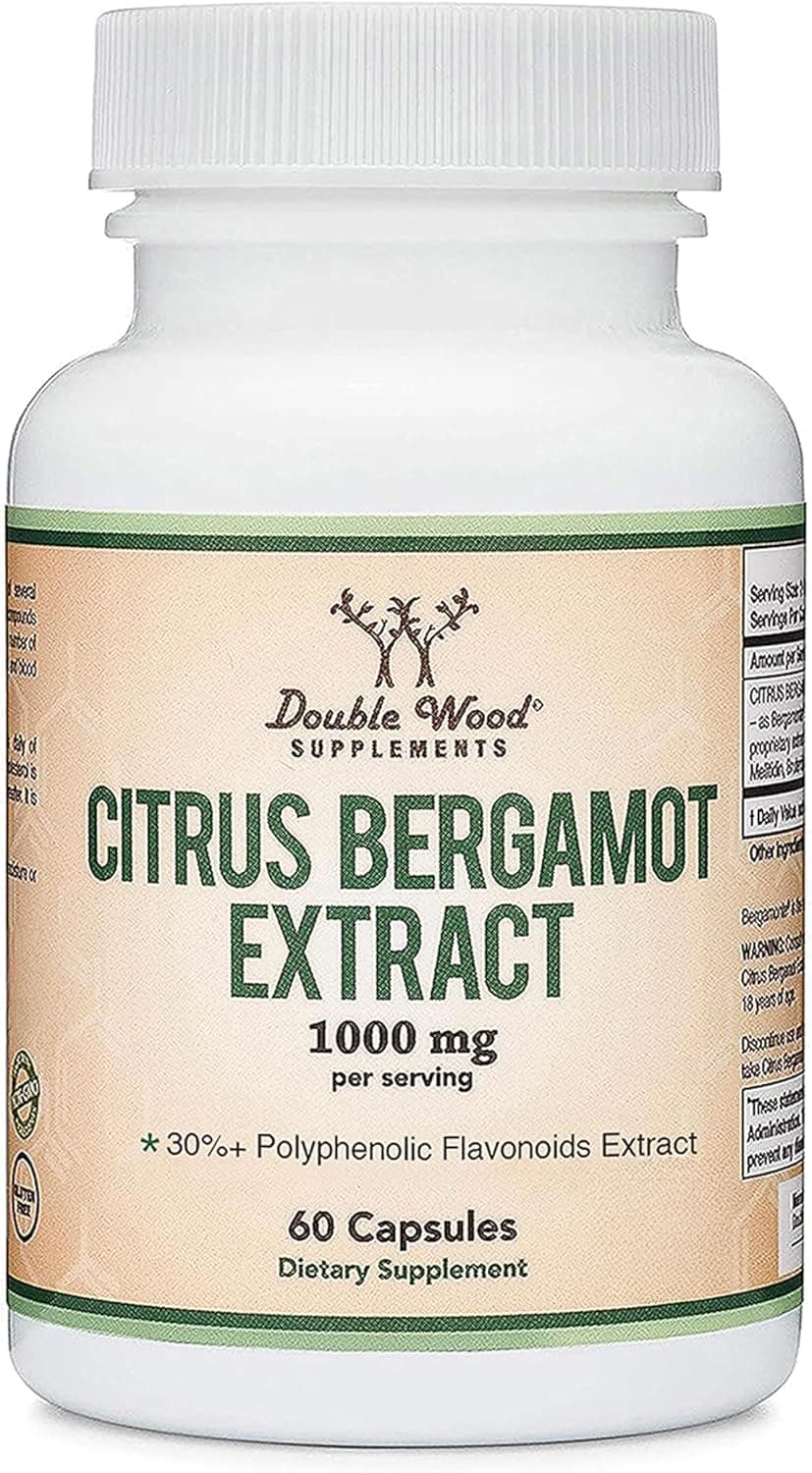
Suppliers
Vendors carrying Citrus Bergamot, with live product details and codes. Links are affiliate links that support the wiki at no cost to you.
Amazon
Citrus Bergamot
Research
- 2013first citedBergamot polyphenolic fraction enhances rosuvastatin-induced effect on LDL-cholesterol, LOX-1 e…
- 2019most recentHypoglycemic and hypolipemic effects of a new lecithin formulation of bergamot polyphenolic fra…
- 1.Hypoglycemic and hypolipemic effects of a new lecithin formulation of bergamot polyphenolic fraction: a double blind, randomized, placebo-controlled study
- 2.Bergamot polyphenolic fraction enhances rosuvastatin-induced effect on LDL-cholesterol, LOX-1 expression and protein kinase B phosphorylation in patients with hyperlipidemia
- 3.Clinical pharmacology of Citrus bergamia: a systematic review
3 listed here; entry last updated August 2026
Reviews
My notesprivate to this device
FAQ
How does it affect cholesterol?
Its flavonoids can inhibit HMG-CoA reductase, the same enzyme statins target, and support LDL clearance.
Is it a statin?
No, it is a natural citrus extract with mild statin-like activity, not a pharmaceutical statin.
Why take it with meals?
Taking it around meals is common and may help with tolerability and its effects on lipids and blood sugar.
Can it interact with medications?
Citrus compounds can interact with some drugs, so awareness is useful; this is general educational info only.
Limitations of the evidence
- Human trials are mostly small
Adverse effects
- Mild digestive upset
- Bergamot essential oil on the skin can cause photosensitivity
Notes and cautions
- Generally well tolerated as an oral supplement