
spec sheet13 rows
Carisoprodol is a centrally acting skeletal muscle relaxant of the carbamate class, sold chiefly under the brand name Soma. It is prescribed for short-term relief of acute musculoskeletal pain, usually alongside rest and physical therapy. Much of its effect comes from its sedative action on the central nervous system, and because it is broken down into the controlled sedative meprobamate and carries a risk of dependence and abuse, it is a scheduled controlled substance in the United States.
- Eases acute muscle spasm when the back locks up
- Takes the edge off musculoskeletal pain fast
- Fairly rapid onset, so relief arrives the same evening
- Calming action helps you rest through pain driven insomnia
- A short course partner to rest and physical therapy
- Long established prescription option sold as Soma
- Commonly causes drowsiness, dizziness, and headache, and can impair coordination and driving
- Stopping suddenly after heavy use can trigger withdrawal, including anxiety, tremor, insomnia, and, rarely, seizures
Overview
Carisoprodol is a centrally acting skeletal muscle relaxant belonging to the carbamate class of drugs, marketed most widely under the brand name Soma [2]. It is prescribed for short-term relief of pain from acute muscle strains, sprains, and similar injuries, and is meant to be used together with rest and physical therapy rather than on its own [2]. Although classed as a muscle relaxant, it does not act directly on muscle tissue; its benefit is attributed mainly to sedation of the central nervous system, which is also the source of its potential for misuse [1][2].
The drug was introduced around 1959, developed by Frank Berger and colleagues at Wallace Laboratories as a close chemical relative of the tranquilizer meprobamate [2]. In the body carisoprodol is broken down, chiefly by the liver enzyme CYP2C19, into meprobamate, a sedative that is itself a controlled substance; the parent drug is comparatively short-lived, while meprobamate persists longer, and both contribute to the overall effect [2][4]. Genetic differences in CYP2C19 activity can therefore influence how strongly a given person responds.
Laboratory research has clarified how carisoprodol works. Its metabolite meprobamate had long been assumed to be responsible for its sedative and muscle-relaxing effects through actions at the GABA-A receptor, the main inhibitory receptor in the brain, in a manner resembling barbiturates [4]. Later electrophysiological and behavioral studies showed that carisoprodol itself, not only meprobamate, directly modulates and can activate GABA-A receptors in a barbiturate-like way, and that this activity likely contributes to both its therapeutic action and its abuse potential [1][5]. Forensic studies have found that carisoprodol can impair driving performance, with the parent drug appearing to contribute to impairment independently of meprobamate [3].
Because it is converted to a controlled sedative and produces its own barbiturate-like effects, carisoprodol carries a recognized risk of tolerance, dependence, and abuse, and abrupt discontinuation after heavy use can cause a withdrawal syndrome that includes insomnia, anxiety, tremor, and, in severe cases, agitation and seizures [2]. Reflecting these concerns, carisoprodol was placed under federal control as a Schedule IV substance in the United States in 2012, and several European countries restricted or withdrew it from the market in the years before that [2].
Carisoprodol is taken by mouth, sometimes in combination products that also contain aspirin or codeine, and its most common side effects are drowsiness, dizziness, and headache. Because of the sedation it causes, it is typically prescribed only for short periods and is used cautiously alongside alcohol or other central nervous system depressants [2].

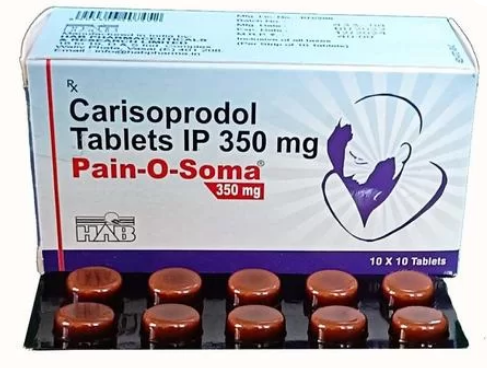
Mechanism
Carisoprodol produces its effects mainly by depressing central nervous system activity rather than by acting on muscle directly [1]. It and its longer-lasting meprobamate both target the -A receptor, the principal inhibitory neurotransmitter receptor in the brain, enhancing the receptor's response to GABA and, at higher concentrations, opening the receptor's chloride channel on their own; this is a barbiturate-like pattern of action distinct from that of benzodiazepines [1][4].
For many years the sedation was credited entirely to meprobamate, a known sedative, but patch-clamp and drug-discrimination experiments demonstrated that carisoprodol itself allosterically modulates and directly activates -A receptors, effects blocked by a barbiturate rather than by a benzodiazepine antagonist [1]. The resulting increase in inhibitory tone dampens the transmission of signals through the spinal cord and brain, producing muscle relaxation, sedation, and a reduced perception of pain [1][4]. These same central actions, resembling those of other sedative-hypnotic depressants, underlie the drug's capacity to cause dependence and a withdrawal syndrome [2][5].
receptor fingerprint
-A receptor (via meprobamate)activates
Spinal interneuronsinhibits
Brainstem reticular formationmodulates
CYP2C19 enzymemodulates
Brainstem respiratory centersinhibits
Dosingtypical ranges, not medical advice
interested in protocols and clinical dosages? make an account to see them! ^_^
Safetyrisks and cautions, not medical advice
Carisoprodol is prescription only and a Schedule IV controlled substance. Common effects are drowsiness, dizziness and headache, and it clearly impairs driving. It carries a genuine potential for dependence, tolerance, misuse and a withdrawal syndrome that can include seizures, which is why courses are kept to two or three weeks. Combining it with alcohol, opioids or benzodiazepines causes dangerous additive central nervous system and respiratory depression and raises overdose risk. People who are CYP2C19 poor metabolizers build up higher carisoprodol levels and may feel stronger effects.
Interactionsdocumented pairs only, not exhaustive
Carisoprodol produces greater abuse liability and psychomotor impairment when combined with oxycodone than either drug alone, even when doses are separated by an hour and the drugs are not at peak concentration simultaneously [6]. This is a pharmacodynamic interaction; both drugs depress the central nervous system through different mechanisms (muscle relaxation via GABA-A agonism for carisoprodol, opioid receptor agonism for oxycodone), and their effects on coordination, alertness, and subjective drug-liking add together.
Real-world injury rates are elevated when carisoprodol is combined with oxycodone, particularly when the muscle relaxant is started after the opioid, with a 1.86-fold hazard ratio for injury compared to patients on methocarbamol plus oxycodone [7]. Carisoprodol itself is not a CYP substrate of clinical significance, and opioid clearance is not substantially altered; the danger is purely synergistic depression of respiration and consciousness. What remains unstudied: the interaction with non-opioid analgesics, with benzodiazepines alone (without opioids), or with selective serotonin reuptake inhibitors; the minimal safe dosing interval between carisoprodol and opioids; and long-term tolerance or sensitization to this combination.
Checking a whole stack? Run it through interactions + stacks.
Subjective profileweighing the evidence above
A poor choice for muscle spasm. Most of what it does is sedate you, it breaks down into a controlled sedative, and dependence with a withdrawal syndrome that can include seizures is documented, which is why courses stop at two or three weeks. With alcohol or opioids it is genuinely dangerous.
Where to buy
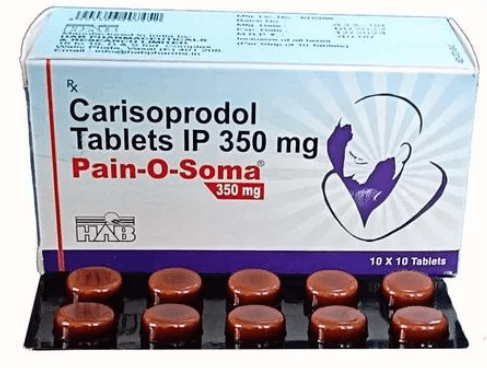

Suppliers
Vendors carrying Carisoprodol, with live product details and codes. Links are affiliate links that support the wiki at no cost to you.
| supplier | size | price | $/mg |
|---|---|---|---|
| PCT.Zonelowest | 500MG | $14.40 | $0.029/mg |
| PCT.Zonelowest | 500MG | $14.40 | $0.029/mg |
| PCT.Zone | 350MG | $10.12 | $0.029/mg |
| PCT.Zone | 350MG | $10.12 | $0.029/mg |
| PCT.Zone | 500MG | $24.00 | $0.048/mg |
PCT.Zone
Carisoprodol
PCT.Zone
Carisoprodol
PCT.Zone
Carisoprodol
PCT.Zone
Carisoprodol
PCT.Zone
Carisoprodol
RUPharma🌐
Carisoprodol
Research
- 2004first citedImpairment due to intake of carisoprodol
- 2012controlled trialSubjective and psychomotor effects of carisoprodol in combination with oxycodone in healthy vol…
- 2024most recentComparative Risk of Injury with Concurrent Use of Opioids and Skeletal Muscle Relaxants.
- 1.Carisoprodol-mediated modulation of GABAA receptors: in vitro and in vivo studies
- 2.Carisoprodol: abuse potential and withdrawal syndrome
- 3.Impairment due to intake of carisoprodol
- 4.Assessment of direct gating and allosteric modulatory effects of meprobamate in recombinant GABA(A) receptors
- 5.Abuse Potential of Soma: the GABA(A) Receptor as a Target
- 6.Subjective and psychomotor effects of carisoprodol in combination with oxycodone in healthy volunteers.
- 7.Comparative Risk of Injury with Concurrent Use of Opioids and Skeletal Muscle Relaxants.
7 listed here; entry last updated August 2026
Reviews
My notesprivate to this device
FAQ
Does carisoprodol work directly on muscles?
No; it acts on the central nervous system to reduce spasm and cause sedation, not on the muscle fibers themselves.
Why is it a controlled substance?
Its metabolite meprobamate can cause dependence and misuse, so it is Schedule IV and meant for short-term use.
Can I drink alcohol with it?
No; mixing it with alcohol or other depressants can dangerously slow breathing.
How long can I take it?
Generally only two to three weeks, since longer use raises the risk of dependence and withdrawal.
Is it safe with opioids?
It is risky; the combination sharply increases sedation and overdose danger and is usually avoided.
Adverse effects
- Commonly causes drowsiness, dizziness, and headache, and can impair coordination and driving
- Stopping suddenly after heavy use can trigger withdrawal, including anxiety, tremor, insomnia, and, rarely, seizures
Notes and cautions
- Carries a real risk of tolerance, dependence, and misuse, especially with prolonged or heavy use
- Its sedative effect is amplified by alcohol and other central nervous system depressants
- It is metabolized to meprobamate, a controlled sedative, which adds to its effects
- It is intended for short-term use only and is a scheduled controlled substance in the United States