
spec sheet7 rows
Tolperisone is a centrally acting muscle relaxant used across the CIS and Central Europe for pathologically raised muscle tone from neurological disease, and marketed since the 1960s under the brand Mydocalm.
- A muscle relaxant that does not sedate
- Sixty years of use across Central Europe and the CIS
- Sodium and calcium channel block acting centrally
- Licensed for post stroke spasticity in the EU
- Marketed since the 1960s under the brand Mydocalm
- For pathologically raised muscle tone from neurological disease
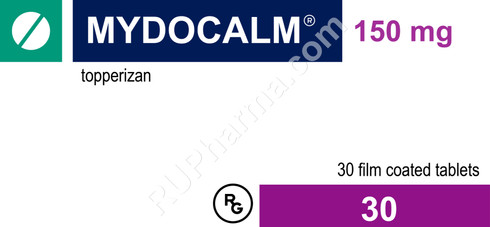
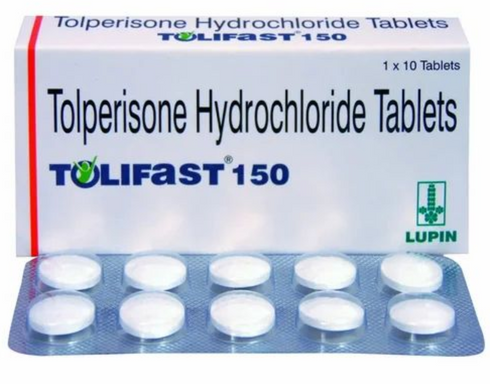
- Tolperisone is a centrally acting muscle relaxant whose distinguishing pharmacology is voltage-gated sodium channel block with voltage-gated calcium channel modulation; not GABAergic action, which is why it does not sedate the way baclofen, tizanidine or benzodiazepines do [5].
- The pivotal trial randomised 120 post-stroke patients to 300-900 mg/day or placebo for 12 weeks; mean Ashworth score fell 1.03 vs 0.47 (p<0.0001), and 78.3% versus 45% of patients improved by at least one Ashworth point (p<0.0001) [1].
- Notably in that trial adverse events were less frequent on active drug (n=19) than on placebo (n=26), and there were no withdrawals for adverse events in the tolperisone arm [1].
- Cochrane takes a much more cautious position: across all non-botulinum pharmacological interventions for post-stroke spasticity, only 7 RCTs with 403 participants existed, six of seven at high risk of bias, the pooled effect on spasticity was not significant (OR 1.66, 95% CI 0.21-13.07), and there was a significant excess of adverse events (RR 1.65, 95% CI 1.12-2.42) [4].
- The EMA's Pharmacovigilance Risk Assessment Committee reviewed tolperisone in 2012-2013 and restricted systemic formulations to a single indication; symptomatic treatment of post-stroke spasticity in adults; because of hypersensitivity and anaphylactic reactions; all other indications, including musculoskeletal spasm, were withdrawn across the EU.
- Tolperisone is not FDA-approved in the United States.
Mechanism
It blocks voltage gated sodium and calcium channels in the reticulospinal pathways and in primary afferent terminals, damping the reflex arc that maintains tone. Unlike most muscle relaxants it is not sedating, which is the reason it stayed in use.
receptor fingerprint
Voltage-gated sodium channels (Nav)Blocker (use-dependent membrane stabilisation)
Voltage-gated calcium channels (Cav)Modulator
Spinal polysynaptic reflex arcs / reticulospinal descending pathwaysDepression of reflex transmission
Safetyrisks and cautions, not medical advice
EU regulators restricted oral tolperisone in 2013 to post-stroke spasticity alone, because hypersensitivity reactions including anaphylaxis outweighed the benefit in every other indication; it holds no licence in the US or UK
Subjective profileweighing the evidence above
A muscle relaxant that does not sedate is a genuinely useful idea, and it is why this one lasted sixty years across Central Europe and the CIS. European regulators then looked at the whole picture and cut it back to post-stroke spasticity alone, because anaphylaxis and other hypersensitivity reactions were turning up in people being treated for ordinary neck and back pain. That is the right way to read it for a stiff back: the benefit is modest, the reaction is rare but immediate and severe, and there is no licence in the US or UK to fall back on if something goes wrong.
Where to buy
1 other outlet
Suppliers
Vendors carrying Tolperisone, with live product details and codes. Links are affiliate links that support the wiki at no cost to you.

RUPharma🌐
Tolperisone
RUPharma🌐
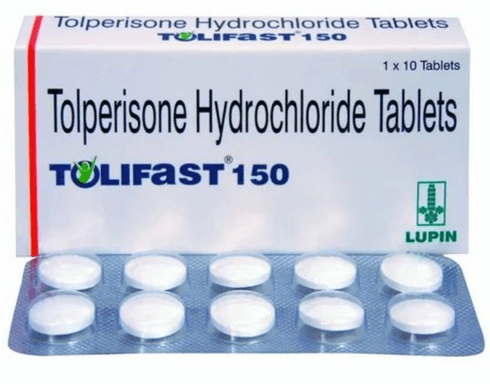
Tolperisone (Tolifast)
Research
- 2005first citedA randomized, double-blind, placebo-controlled study of the efficacy and safety of tolperisone…
- 2016meta-analysisPharmacological interventions other than botulinum toxin for spasticity after stroke
- 2025most recentCentrally Acting Skeletal Muscle Relaxants Sharing Molecular Targets with Drugs for Neuropathic…
- 1.A randomized, double-blind, placebo-controlled study of the efficacy and safety of tolperisone in spasticity following cerebral stroke
- 2.[A randomized, double blind, placebo-controlled study of the efficacy and safety of tolperisone in spasticity following cerebral stroke]
- 3.[Effectiveness and safety of tolperisone in spasticity following cerebral stroke: randomized, double-blind, placebo-controlled trial]
- 4.Pharmacological interventions other than botulinum toxin for spasticity after stroke
- 5.Centrally Acting Skeletal Muscle Relaxants Sharing Molecular Targets with Drugs for Neuropathic Pain Management
5 listed here; entry last updated August 2026
Reviews
My notesprivate to this device
Notes and cautions
- There is no boxed warning because no US regulator has approved the drug, but the EMA's 2013 restriction is the load-bearing safety fact: systemic tolperisone was cut back to post-stroke spasticity alone because of hypersensitivity reactions, including anaphylaxis, and these were reported disproportionately with the injectable form.
- Patients should be warned to stop the drug and seek help at the first sign of urticaria, angioedema, wheeze or hypotension.
- Beyond hypersensitivity, the trial-level tolerability is genuinely good and non-sedating [1], but Cochrane's finding of a significant overall excess of adverse events for this drug class should temper any claim that it is side-effect free [4].