
spec sheet7 rows
Rilmenidine is a centrally acting antihypertensive that binds imidazoline I1 receptors in the brainstem, lowering sympathetic outflow with markedly less sedation and dry mouth than clonidine.
- The best tolerated centrally acting antihypertensive
- Far less sedation and dry mouth than clonidine
- Selective for imidazoline receptors in the brainstem
- Lowers sympathetic outflow at its source
- Useful where first line drugs are not tolerated
- A longevity candidate on the strength of worm lifespan work
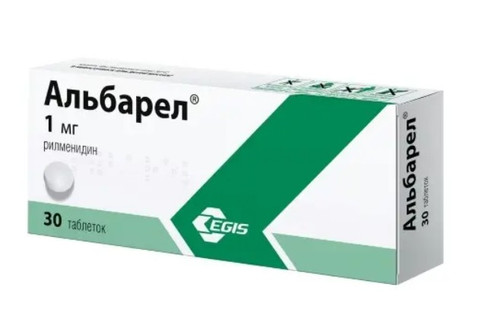
- Rilmenidine is a second-generation centrally acting antihypertensive: it works chiefly through I1-imidazoline receptors rather than alpha-2 adrenoceptors, which is why it causes markedly less dry mouth and sedation than clonidine or methyldopa (PMID 31819014, PMID 10921529).
- In hypertensive patients with metabolic syndrome, rilmenidine and amlodipine lowered blood pressure comparably (-13.9/-13.5 vs -17.6/-15.0 mmHg) but only rilmenidine improved glucose metabolism, with fasting and 2-hour glucose and glucose AUC diverging significantly between arms [1].
- Against hydrochlorothiazide, rilmenidine gave equivalent BP reduction with no fall in effective renal plasma flow or GFR and a significant reduction in renal vascular resistance [2].
- Unlike clonidine, chronic rilmenidine does not cause sodium retention or weight gain, and no tachyphylaxis was seen on long-term treatment (PMID 1350733, PMID 10921529).
- The 2023 Aging Cell paper is the strongest existing evidence that nischarin is the real I1 receptor: rilmenidine extended lifespan in C. elegans, the effect required nish-1, FOXO/DAF-16, SKN-1 and autophagy, and did not add to caloric restriction or rapamycin [5]. This is invertebrate/mouse-transcriptome data only and must not be presented as a human longevity claim.
- Rilmenidine is approved in France and much of Europe (ATC C02AC06, first approval 1987) but is not FDA-approved in the USA.
Mechanism
It acts chiefly at I1 imidazoline receptors in the rostral ventrolateral medulla, reducing the sympathetic drive that sets vascular tone, with only weak alpha-2 adrenoceptor activity. That low alpha-2 affinity is precisely why it sedates so much less than clonidine, since clonidine's sedation is an alpha-2 effect.
receptor fingerprint
Nischarin / I1-imidazoline receptor (NISCH; nish-1 orthologue)Agonist
Alpha-2 adrenoceptor (ADRA2)Agonist (lower affinity than at I1; the selectivity ratio is the drug's design claim)
Renal Na+/H+ antiporterInhibition
/ mTORC1 axis (FOXO-DAF-16 and NRF-SKN-1 dependent)Induction (downstream of I1 agonism)
Safetyrisks and cautions, not medical advice
a centrally acting antihypertensive; stopping it suddenly can produce rebound hypertension, and it adds to the sedative effect of alcohol and CNS depressants
Subjective profileweighing the evidence above
The best of the centrally acting antihypertensives, which is a genuine compliment given how poorly clonidine and methyldopa are tolerated; I1 selectivity buys most of the sympathetic effect without most of the sedation and dry mouth. It still sits well behind the agents with mortality data, so its place is as an add-on or where first line drugs are not tolerated, not as a starting point. Stopping abruptly can rebound blood pressure above where it began, and that is the single thing anyone taking it needs to have been told. Its recent reputation as a longevity candidate comes from worm lifespan work and should not be mistaken for human evidence.
Where to buy

Suppliers
Vendors carrying Rilmenidine, with live product details and codes. Links are affiliate links that support the wiki at no cost to you.
RUPharma🌐
Rilmenidine
Research
- 1993first citedDouble-blind controlled study of rilmenidine versus hydrochlorothiazide in mild hypertension: c…
- 2023most recentRilmenidine extends lifespan and healthspan in Caenorhabditis elegans via a nischarin I1-imidaz…
- 1.Haemodynamic and metabolic effects of rilmenidine in hypertensive patients with metabolic syndrome X. A double-blind parallel study versus amlodipine
- 2.Double-blind controlled study of rilmenidine versus hydrochlorothiazide in mild hypertension: clinical and renal haemodynamic evaluation
- 3.Rilmenidine: a clinical overview
- 4.Imidazoline Receptor System: The Past, the Present, and the Future
- 5.Rilmenidine extends lifespan and healthspan in Caenorhabditis elegans via a nischarin I1-imidazoline receptor
- 6.Improvement of obesity by activation of I1-imidazoline receptors in high fat diet-fed mice
- 7.Current status of putative imidazoline (I1) receptors and renal mechanisms in relation to their antihypertensive therapeutic potential
7 listed here; entry last updated August 2026
Reviews
My notesprivate to this device
Notes and cautions
- Rilmenidine has no boxed warning.
- Its principal hazard is the class hazard of centrally acting sympatholytics: abrupt withdrawal can produce rebound hypertension, so it must be tapered, and it should not be combined casually with other centrally acting agents.
- The commonest adverse effects are asthenia, palpitations, insomnia and dry mouth, all substantially less frequent than with clonidine or methyldopa because of its I1 selectivity [3].
- It is renally cleared and requires dose reduction in significant renal impairment, and it potentiates the sedative effect of alcohol and CNS depressants.