
spec sheet12 rows
Drotaverine (No-Spa) is a benzylisoquinoline antispasmodic, structurally related to papaverine, widely used outside the United States to relax smooth muscle in conditions such as renal and biliary colic, dysmenorrhea and gastrointestinal cramp. Its relaxant action combines PDE4 inhibition (raising cAMP) with L-type calcium-channel blockade. A single 2021 mouse study reported that it reversed streptozotocin-induced Alzheimer-type deficits, but there is no human cognition data.
- Fast smooth muscle relief for cramps and colic
- Dual action; PDE4 inhibition plus calcium channel blockade
- A pharmacy staple across Europe and Asia for decades
- Widely relied on for period cramps and stomach spasms
- Long clinical track record and generally well tolerated
- One mouse study hints at memory effects; humans untested
- Dizziness, headache, nausea
- Hypotension or palpitations
- Drotaverine is a chemical cousin of papaverine, the classic opium-derived smooth-muscle relaxant.
- It has been studied to shorten the active phase of labor by aiding cervical dilation.
- Its antispasmodic effect comes from two mechanisms at once; PDE4 inhibition and L-type calcium-channel blockade.
- Despite being a household antispasmodic across Europe and Asia, it has never been FDA-approved in the United States.
Mechanism
Dual mechanism: PDE4 inhibition raises and activates PKA/ (papaverine-like), while blockade of L-type voltage-operated calcium channels lowers intracellular calcium to relax smooth muscle. The cognition rationale invokes cAMP/CREB/ signaling plus antioxidant and anti-inflammatory effects seen in rodents.
receptor fingerprint
L-type Ca2+ channelBlocks
Smooth muscle spasmRelaxes
PDE4 (papaverine-like)Inhibits
//Elevates
Evidencehow good the literature is
Human RCTs (antispasmodic): intramuscular 80 mg was non-inferior to diclofenac for renal colic, and a placebo-controlled trial showed symptomatic relief in irritable bowel syndrome. Ex-vivo: PDE inhibition plus L-type calcium block relaxes smooth muscle more potently than theophylline. Rodent (cognition): dose-dependent improvement in memory, oxidative stress, amyloid and tau in a streptozotocin Alzheimer model. No human cognition data.
Safetyrisks and cautions, not medical advice
Generally well tolerated clinically: dizziness, headache, nausea, hypotension or palpitations, and injection-site reactions with parenteral use; rare hypersensitivity. Caution in severe hepatic, renal or cardiac impairment and in hypotension. Cognitive use is unproven and experimental.
History
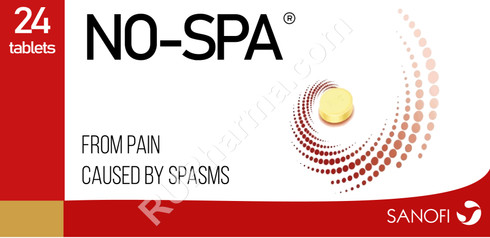
A long-established smooth-muscle relaxant marketed for decades in Europe, Asia and elsewhere as No-Spa, drotaverine is a mainstay antispasmodic outside the United States. Interest as a cognition compound is recent and rests entirely on a 2021 rodent Alzheimer study.
Reputation
Well regarded and widely used as a safe, effective antispasmodic in the many countries where it is sold. Its nootropic reputation is essentially nonexistent; the single rodent Alzheimer result is intriguing but far from human evidence.
Subjective profileweighing the evidence above
A real, established antispasmodic with dual PDE4/calcium-channel action. The cognition claim rests on one rodent Alzheimer model; a promising curiosity, not a human-validated nootropic. It is not FDA-approved in the US.
Where to buy
Suppliers
Vendors carrying Drotaverine, with live product details and codes. Links are affiliate links that support the wiki at no cost to you.
RUPharma🌐
Drotaverine
Research
- 2012first citedIntramuscular drotaverine and diclofenac in acute renal colic: a comparative study of analgesic…
- 2021most recentDrotaverine Inhibitor of PDE4: Reverses the Streptozotocin Induced Alzheimer's Disease in Mice.
- 1.Drotaverine Inhibitor of PDE4: Reverses the Streptozotocin Induced Alzheimer's Disease in Mice.
- 2.Assessment of the Airway Smooth Muscle Relaxant Effect of Drotaverine.
- 3.Intramuscular drotaverine and diclofenac in acute renal colic: a comparative study of analgesic efficacy and safety.
- 4.Efficacy and safety of drotaverine hydrochloride in irritable bowel syndrome: a randomized double-blind placebo-controlled study.
4 listed here; entry last updated August 2026
Reviews
My notesprivate to this device
FAQ
Is drotaverine a nootropic?
No. It is a smooth-muscle antispasmodic. The only cognition data come from a single 2021 rodent Alzheimer study; there is no human cognition evidence.
Is it available in the US?
No. Drotaverine is not FDA-approved in the United States, though it is widely used elsewhere as No-Spa.
How does it relieve spasm?
Through two mechanisms at once; inhibiting PDE4 to raise cAMP, and blocking L-type calcium channels to lower intracellular calcium.
Adverse effects
- Dizziness, headache, nausea
- Hypotension or palpitations
Notes and cautions
- Injection-site reactions (parenteral)
- Rare hypersensitivity