
spec sheet7 rows
Bupivacaine is a long acting amide local anaesthetic used for peripheral nerve blocks, epidural and spinal anaesthesia and postoperative pain control.
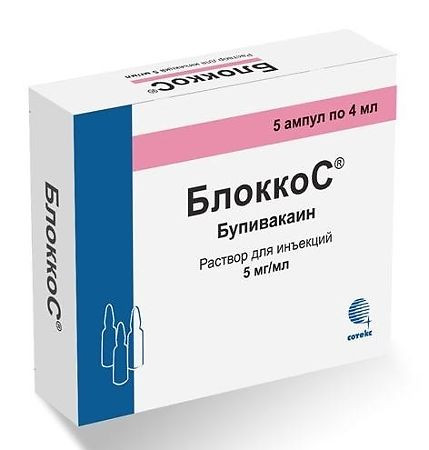
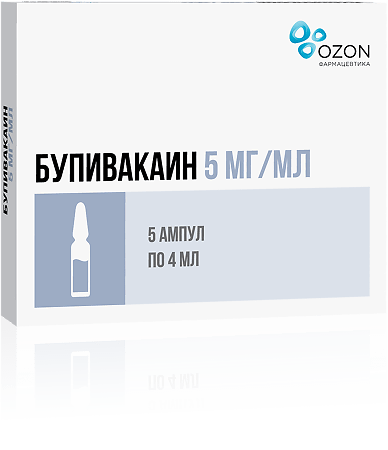
- Bupivacaine is a long-acting amide local anaesthetic on the WHO Essential Medicines List, in clinical use since 1963 and available as plain, hyperbaric, and liposomal (Exparel, FDA-approved 2011) formulations.
- The claimed advantage of liposomal bupivacaine over plain bupivacaine has repeatedly failed to replicate: a 2024 Anesthesiology meta-analysis of randomized trials in abdominal fascial plane blocks found no clinically meaningful analgesic superiority [2], and the 2025 three-arm CLEVELAND trial reached the same conclusion [1].
- Its cardiotoxicity is mechanistically distinct from lidocaine's: bupivacaine binds cardiac Nav1.5 with slow dissociation kinetics, so block accumulates beat-to-beat and produces refractory ventricular arrhythmia rather than simple depression [8].
- Lipid emulsion 20% is the established rescue therapy for local-anaesthetic systemic toxicity and is stocked wherever bupivacaine is injected [8].
- In labour analgesia, epidural ropivacaine produces less motor block than bupivacaine at equianalgesic doses [5], which is why many obstetric units switched.
Mechanism
It binds the intracellular pore of voltage gated sodium channels and holds them shut, so nerve conduction fails distal to the injection. Its high lipid solubility and slow unbinding give it several hours of block and also make cardiac sodium channel blockade persist.
receptor fingerprint
Voltage-gated sodium channels (Nav1.x α-subunit, inner pore local-anaesthetic site on DIV-S6)Binds the open/inactivated channel from the cytoplasmic side and blocks Na+ influx, abolishing axonal action-potential propagation
Cardiac Nav1.5Binds with high affinity and dissociates very slowly between beats, so block accumulates at physiological heart rates
carnitine-acylcarnitine translocase / fatty-acid oxidationImpairs cardiac mitochondrial energy metabolism, contributing to refractory myocardial depression in systemic toxicity
Voltage-gated potassium and calcium channels (Kv, Cav)Secondary block at higher concentrations, prolonging repolarisation
Safetyrisks and cautions, not medical advice
injectable regional anaesthetic; intravascular injection produces local anaesthetic systemic toxicity with seizures then cardiac arrest, and bupivacaine arrest is the hardest of the class to resuscitate
Subjective profileweighing the evidence above
There is a reason lipid emulsion sits in every block room. Bupivacaine comes off cardiac sodium channels slowly, so an accidental intravascular injection produces a cardiac arrest that is famously resistant to resuscitation, and that single property is why anaesthetists respect this drug more than the rest of its class. Safe use is procedural rather than pharmacological: aspiration, incremental injection, ultrasound guidance, monitoring, and rescue equipment already in the room. None of that arrives in a parcel, which is why no supplier is listed here.
Resources
No suppliers are provided for compounds like this. This entry is here for reference.
Research
- 2003first citedEpidural ropivacaine versus bupivacaine for labor: a meta-analysis
- 2025most recentLiposomal Bupivacaine, Plain Bupivacaine, and Saline for Transversus Abdominis Plane Blocks: Th…
- 1.Liposomal Bupivacaine, Plain Bupivacaine, and Saline for Transversus Abdominis Plane Blocks: The CLEVELAND Randomized Trial
- 2.Analgesic Effectiveness of Liposomal Bupivacaine versus Plain Local Anesthetics for Abdominal Fascial Plane Blocks: A Systematic Review and Meta-analysis of Randomized Trials
- 3.Transversus Abdominis Plane Block With Liposomal Bupivacaine for Pain After Cesarean Delivery in a Multicenter, Randomized, Double-Blind, Controlled Trial
- 4.Addition of Liposomal Bupivacaine to Standard Bupivacaine versus Standard Bupivacaine Alone in the Supraclavicular Brachial Plexus Block: A Randomized Controlled Trial
- 5.Epidural ropivacaine versus bupivacaine for labor: a meta-analysis
- 6.Bupivacaine in combination with fentanyl or sufentanil in epidural/intrathecal analgesia for labor: a meta-analysis
- 7.Mepivacaine Versus Bupivacaine Spinal Anesthesia for Primary Total Joint Arthroplasty: A Systematic Review and Meta-Analysis
- 8.Local anesthetic systemic toxicity: update on mechanisms and treatment
8 listed here; entry last updated August 2026
Reviews
My notesprivate to this device
Notes and cautions
- The 0.75% concentration is contraindicated for obstetric epidural and paracervical anaesthesia after reports of cardiac arrest with difficult resuscitation following inadvertent intravascular injection; that restriction is on the label.
- Systemic toxicity typically presents with perioral numbness, tinnitus and agitation before seizure and cardiovascular collapse, and cardiac arrest from bupivacaine is markedly harder to resuscitate than from other local anaesthetics because of slow Nav1.5 unbinding.
- Intravenous lipid emulsion must be immediately available at any site performing bupivacaine blocks.
- Liposomal bupivacaine must not be mixed with non-bupivacaine local anaesthetics and is not approved for obstetric paracervical block.