
spec sheet13 rows
Lidocaine is a local anesthetic of the amide type and also a class Ib antiarrhythmic drug. It works by blocking the voltage-gated sodium channels that nerves use to fire, producing numbness where it is applied or injected. First made in the 1940s and sold under the brand name Xylocaine, it is one of the most widely used numbing agents in medicine and dentistry and appears on the World Health Organization's List of Essential Medicines.
- Delays ejaculation cheaply and reliably
- Numbing starts fast and wears off completely
- Simple topical application, no heavy systemic effects
- Decades of safety data behind a workhorse anesthetic
- On the World Health Organization list of essential medicines
- Fully reversible; nothing permanent about the effect
- Dizziness or drowsiness
- Slow or irregular heartbeat in overdose
Overview
Lidocaine, known in some countries by the older name lignocaine, is an amino amide local anesthetic with the molecular formula C14H22N2O. It belongs to the amide subgroup of local anesthetics, which are generally more stable and less likely to provoke allergic reactions than the older ester type. Beyond its anesthetic role it is also classified as a class Ib antiarrhythmic, meaning it can be used to steady certain abnormal heart rhythms.
The drug was first synthesized in 1943 by the Swedish chemist Nils Löfgren and his colleague Bengt Lundqvist, and it was brought to market later that decade by Astra under the name Xylocaine. It represented a major advance over earlier local anesthetics because of its reliable, fast action and relative safety. Today it is available as an inexpensive generic and is used across medicine, dentistry, and veterinary practice.
As a local anesthetic, lidocaine is used for infiltration anesthesia, in which it is injected into tissue to numb a small area, and for nerve blocks and spinal or epidural anesthesia. Applied to the surface as a gel, spray, cream, or patch, it numbs skin and mucous membranes for procedures such as catheter insertion, endoscopy, and dental work, and a skin patch is used for the nerve pain of postherpetic neuralgia. Given into a vein it can treat life-threatening ventricular arrhythmias, and it has been studied as a perioperative infusion intended to reduce pain and speed recovery after surgery, although the evidence for that benefit remains uncertain [3]. It is frequently combined with a small amount of epinephrine, which constricts local blood vessels to prolong the numbing effect and slow absorption.
The analgesic reach of lidocaine extends beyond simple nerve blockade; when given systemically it appears to calm overactive nerve signaling and dampen inflammation through several molecular routes that are still being worked out [1]. This broader activity underlies continuing interest in intravenous lidocaine for chronic and postoperative pain.
Topical lidocaine products are sold over the counter in many places, while injectable and systemic forms are prescription medicines. Used within recommended limits it has a strong safety record, but if too much reaches the bloodstream it can cause local anesthetic systemic toxicity, a dangerous reaction that typically begins with tingling, ringing in the ears, agitation, and seizures and can progress to depressed breathing and cardiac collapse [2][4]. Treatment includes supportive care and infusion of a lipid emulsion, which helps draw the drug out of tissues [2]. Lidocaine can also, uncommonly, cause methemoglobinemia, a condition that reduces the blood's ability to carry oxygen.
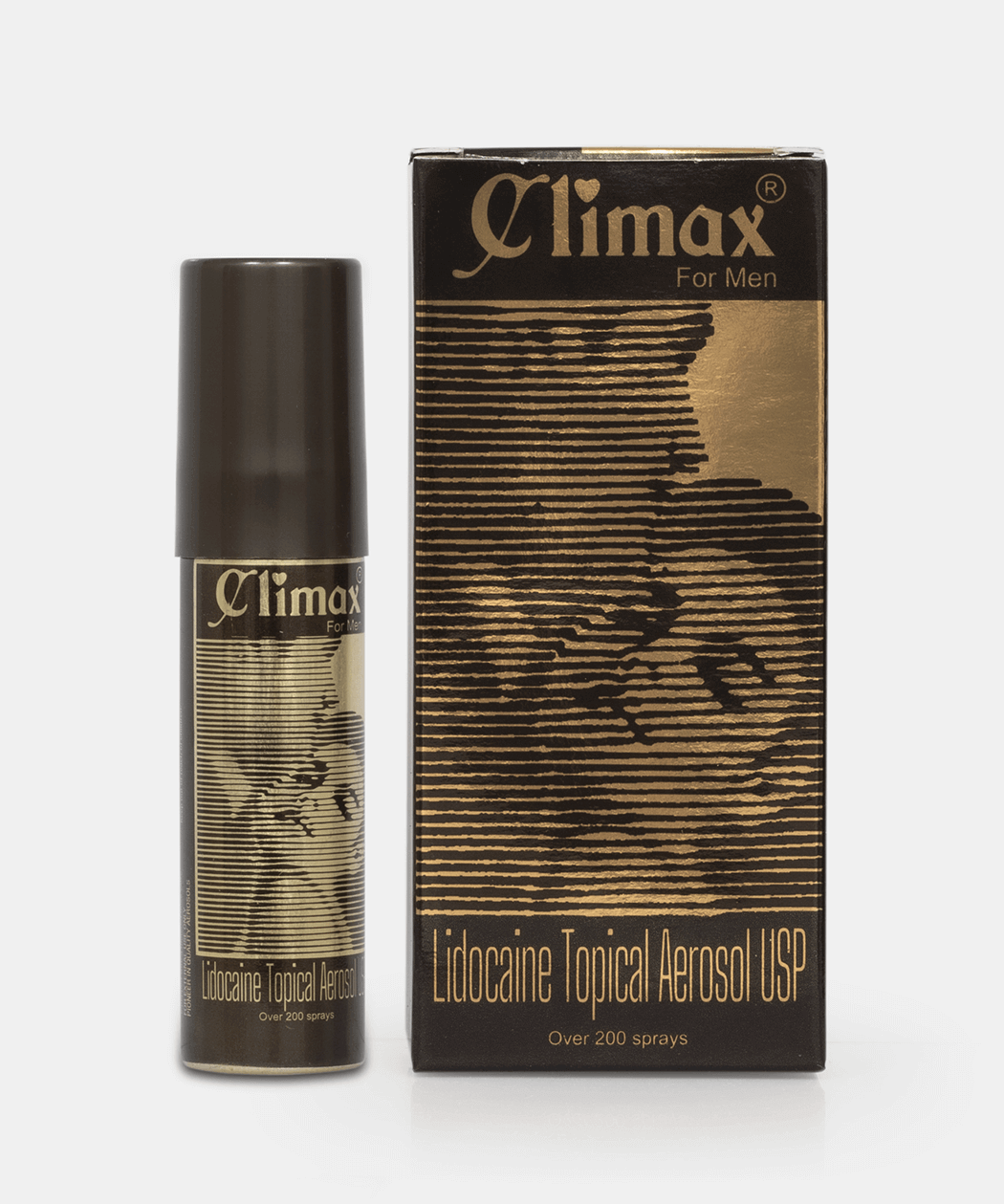
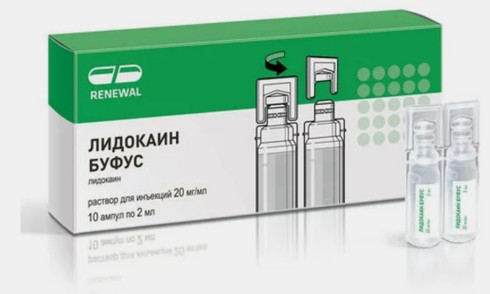
- Lidocaine was first made in 1943 and was the first of the amide-type local anesthetics, a chemistry that made it far more stable and less allergenic than the ester anesthetics before it.
- The very same action that numbs a nerve, blocking voltage-gated sodium channels, also lets lidocaine calm abnormal heart rhythms as a class Ib antiarrhythmic.
- It is listed on the World Health Organization's List of Essential Medicines as one of the foundational drugs a health system should always have.
Mechanism
Lidocaine produces numbness by blocking voltage-gated sodium channels in the membranes of nerve cells. Nerves signal by briefly opening these channels to let sodium ions rush in and generate an electrical impulse; lidocaine enters the channel from the inside and stabilizes it in an inactivated state, so the nerve cannot depolarize and the pain signal is never sent. Because it preferentially binds channels that are opening frequently, it acts more strongly on rapidly firing fibers, including the small fibers that carry pain.
The same sodium-channel blockade in heart muscle shortens the cardiac action potential and suppresses abnormal electrical activity, which is the basis for its use as a class Ib antiarrhythmic. When lidocaine is delivered throughout the body rather than to a single nerve, additional mechanisms come into play; it can silence spontaneous ectopic nerve discharges, blunt inflammatory signaling, and modulate excitatory and inhibitory neurotransmission, effects that help explain its analgesic action in acute and chronic pain [1].
receptor fingerprint
Voltage gated sodium channels (Nav)blocks
Sensory nerve endings on the glansblocks
Nociceptor pain fibersblocks
Cardiac sodium channelsblocks
Dosingtypical ranges, not medical advice
interested in protocols and clinical dosages? make an account to see them! ^_^
Safetyrisks and cautions, not medical advice
Topical lidocaine is sold both over the counter and by prescription and is generally very safe when used as directed. Local effects include numbness, mild burning, or irritation. If too much is applied, or it is used on broken skin or mucous membranes, enough can absorb to cause dizziness, ringing in the ears, a numb mouth, and rarely seizures or heart rhythm problems. When used before sex it can transfer to a partner and numb them too, so a condom or wiping it off first is wise. Rarely it can cause methemoglobinemia, more so in combination products with prilocaine. Avoid it if you are allergic to amide anesthetics.
Interactionsdocumented pairs only, not exhaustive
Lidocaine is metabolized hepatically via the cytochrome P450 system (primarily CYP3A4, CYP1A2, and CYP2D6), making it susceptible to interactions with drugs that inhibit or induce these enzymes. Herbal products containing Glycyrrhiza uralensis increase CYP450 expression and substantially accelerate lidocaine clearance; pretreatment with this herbal medicine shortened lidocaine's elimination half-life by 39% and increased total body clearance by 59% in a pharmacokinetic study [6]. Patients with hepatic impairment require dose reduction due to diminished clearance, though topical formulations appear safer in cirrhotic patients with preserved systemic exposure [7]. Co-administration with potent CYP3A4 inhibitors (such as certain antifungals and protease inhibitors) may increase lidocaine levels and toxicity risk.
Checking a whole stack? Run it through interactions + stacks.
History
Lidocaine was first synthesized in 1943 by the Swedish chemists Nils Lofgren and Bengt Lundqvist, who created it under the name LL30 while searching for a more stable and less allergenic alternative to the ester-type local anesthetics then in use. As the first of the amide-class local anesthetics, it represented a major advance in reliability and safety, and it was introduced commercially in 1948 under the brand name Xylocaine.
Its usefulness soon extended beyond numbing tissue: the same sodium-channel blockade that quiets nerves also stabilizes cardiac electrical activity, and lidocaine became a mainstay intravenous class Ib antiarrhythmic. Over the following decades it grew into one of the most widely used drugs in all of medicine and dentistry, valued for its rapid onset and broad margin of safety. Today lidocaine appears on the World Health Organization's List of Essential Medicines, a testament to its enduring importance across surgery, emergency care, and pain management.
Reputation
Lidocaine is one of the most trusted and versatile drugs in the pharmacy, a genuine workhorse that clinicians reach for many times a day to numb tissue quickly and dependably. Its rapid onset, predictable duration, and wide safety margin have made it the default local anesthetic for everything from suturing a laceration to dental work to nerve blocks. Beyond numbing, it has found respected roles as a cardiac antiarrhythmic and, more recently, as an intravenous infusion studied for reducing postoperative pain, opioid use, and inflammation.
It is worth being candid that the evidence for some of these newer systemic uses is mixed, with rigorous reviews finding uncertain or modest benefit, and that excessive dosing carries real cardiac and neurological risk. Even so, within its core role as a local anesthetic, lidocaine's combination of effectiveness, speed, and safety is hard to match, which is exactly why it remains an essential medicine worldwide.
Subjective profileweighing the evidence above
Cheap, reliable and fully reversible for delaying ejaculation, with a long safety record behind it. Use the smallest amount that works, keep it off broken skin, and wipe it off or use a condom so a partner does not get numbed too.
Where to buy
1 other outlet
Suppliers
Vendors carrying Lidocaine, with live product details and codes. Links are affiliate links that support the wiki at no cost to you.
PCT.Zone
Lidocaine
RUPharma🌐
Lidocaine
Research
- 2009first citedStudy on the pharmacokinetics drug-drug interaction potential of Glycyrrhiza uralensis, a tradi…
- 2018most active year3 papers
- 2024most recentThe Safe Use of Analgesics in Patients with Cirrhosis: A Narrative Review.
- 1.Molecular mechanisms of action of systemic lidocaine in acute and chronic pain: a narrative review.
- 2.Local anesthetic systemic toxicity: current perspectives.
- 3.Continuous intravenous perioperative lidocaine infusion for postoperative pain and recovery in adults.
- 4.Local anesthetic systemic toxicity.
- 5.Perioperative Use of Intravenous Lidocaine
- 6.Study on the pharmacokinetics drug-drug interaction potential of Glycyrrhiza uralensis, a traditional Chinese medicine, with lidocaine in rats.
- 7.The Safe Use of Analgesics in Patients with Cirrhosis: A Narrative Review.
7 listed here; entry last updated August 2026
Reviews
My notesprivate to this device
FAQ
How long before sex should I apply it?
Usually about 10 to 20 minutes beforehand, then wipe off the excess so it does not overly numb you or your partner.
Will it numb my partner too?
It can transfer during sex, so using a condom or wiping it off after it absorbs helps prevent numbing your partner.
Can I use as much as I want?
No, stay within the product limit; applying too much or using it on broken skin can let enough absorb to cause dizziness or heart effects.
Does it help with premature ejaculation?
Yes, studies show topical anesthetics like lidocaine meaningfully lengthen time to ejaculation, which is why they are a first line option.
Is it safe long term?
Used sparingly and as directed it has a strong safety record; the main downside is reduced sensation if you overapply.
Adverse effects
- Dizziness or drowsiness
- Slow or irregular heartbeat in overdose
Notes and cautions
- Numbness at the site
- Mild burning or stinging on application
- Ringing in the ears or tingling around the mouth with higher exposure
- Rarely, methemoglobinemia