
spec sheet13 rows
Valacyclovir, also spelled valaciclovir, is an antiviral medication of the nucleoside analogue class used to treat infections caused by herpesviruses. It is an orally administered prodrug of aciclovir; after absorption the body converts it into aciclovir, reaching higher blood levels than aciclovir taken by mouth. It is prescribed for conditions such as cold sores, genital herpes and shingles, and it appears on the World Health Organization's List of Essential Medicines.
- Fewer herpes outbreaks, and shorter ones when they come
- Cold sores heal noticeably faster
- Lowers the risk of passing herpes to a partner
- Cuts shingles short and lessens the nerve pain after
- Far simpler dosing than acyclovir; fewer pills daily
- WHO essential medicine; cheap, generic and everywhere
- Nausea, vomiting or diarrhea
- Headache
- Kidney strain with dehydration or very high doses
Overview
Valacyclovir is an antiviral drug belonging to the nucleoside analogue family, used against several members of the herpesvirus group [1]. Chemically it is the L-valyl ester of aciclovir, meaning the amino acid L-valine is attached to aciclovir; this modification substantially improves how much of the drug reaches the bloodstream when it is swallowed [1]. The compound itself has little direct antiviral action and instead serves as a prodrug that the body rapidly turns into aciclovir [1][2].
Once absorbed, valacyclovir undergoes extensive first-pass metabolism in the intestinal wall and liver to release aciclovir along with L-valine [1]. Because the oral availability of aciclovir is much greater when it is delivered this way, therapeutic drug levels can be achieved with less frequent dosing than plain aciclovir requires [1]. It is prescribed for herpes simplex infections including oral and genital herpes, for herpes zoster (shingles), for prevention of cytomegalovirus infection after organ transplantation, and for chickenpox, and it is also used to suppress recurrent outbreaks [1][3].
Aciclovir and its oral prodrugs transformed the systemic treatment of herpes simplex virus and varicella-zoster virus infections, and the arrival of valacyclovir improved convenience and adherence compared with aciclovir [2]. The drug was patented in the late 1980s and entered medical use in the mid-1990s, with generic versions appearing in later years [1]. It is a prescription-only medicine in countries such as the United States, the United Kingdom and Australia, and it is listed on the World Health Organization's List of Essential Medicines [1].
Valacyclovir is supplied as oral tablets, and pharmacokinetic modelling has been used to refine dosing in special populations such as children [4]. Prolonged or repeated use, particularly in people with weakened immune systems, can occasionally select for aciclovir-resistant virus, though such resistance has become less common as the care of immunocompromised patients has improved [3]. The drug is generally well tolerated, with nausea, vomiting, diarrhea and headache among the more frequently reported effects [1].

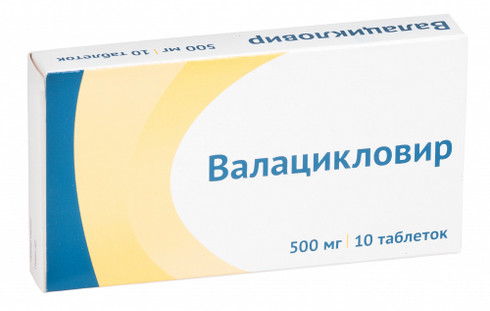
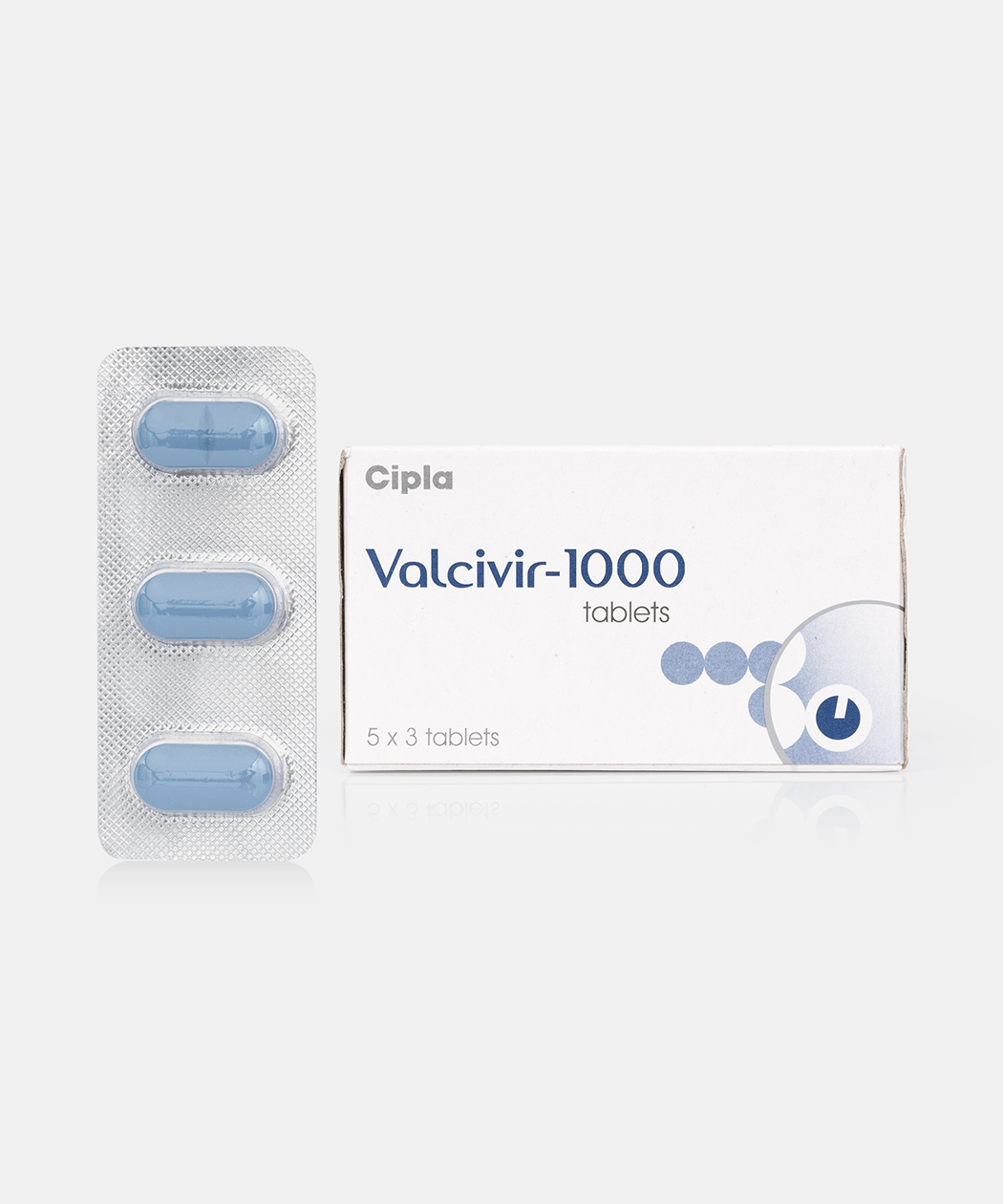
- Valacyclovir is a prodrug; it is largely inactive until the body converts it into aciclovir, an approach that greatly improves how much drug is absorbed from a pill.
- The parent drug aciclovir came from the laboratory of Gertrude Elion, who shared the 1988 Nobel Prize in Physiology or Medicine.
- In a randomized trial, valacyclovir taken in late pregnancy significantly reduced recurrent genital herpes at delivery and cut the need for cesarean section.
Mechanism
Valacyclovir is itself largely inactive and works as a ; after oral intake it is rapidly and extensively converted to aciclovir through metabolism, a step that gives it much higher oral than aciclovir taken directly [1][2]. Aciclovir is then selectively activated inside virus-infected cells, where viral thymidine kinase adds the first phosphate group to form aciclovir monophosphate; host cellular enzymes add two more phosphates to produce aciclovir triphosphate [2].
This active triphosphate competes with the natural building block deoxyguanosine triphosphate and is incorporated by viral DNA polymerase into the growing strand of viral DNA, where the missing hydroxyl group needed for the next link halts chain elongation and inactivates the enzyme [2]. Because the crucial first activation step depends on a viral enzyme, the drug concentrates its effect in infected cells and largely spares uninfected tissue, which underlies its favorable safety profile [2]. It shows good activity against herpes simplex virus types 1 and 2 and varicella-zoster virus [1].
receptor fingerprint
Viral DNA polymeraseinhibits
Viral thymidine kinasemodulates
HSV-1 and HSV-2 replicationblocks
Varicella-zoster virus replicationblocks
PEPT1 transportermodulates
Dosingtypical ranges, not medical advice
interested in protocols and clinical dosages? make an account to see them! ^_^
Safetyrisks and cautions, not medical advice
Valacyclovir is prescription only and generally well tolerated. Common effects are headache, nausea and abdominal pain. At high doses or with dehydration or kidney impairment it can crystallize in the kidneys or cause central nervous system effects such as confusion and hallucinations, so staying hydrated and adjusting the dose for renal function matter. Very high doses in severely immunocompromised patients have rarely been linked to thrombotic thrombocytopenic purpura and hemolytic uremic syndrome. It is otherwise safe in pregnancy when needed.
Interactionsdocumented pairs only, not exhaustive
Valacyclovir is a prodrug converted to acyclovir, so its interactions are really acyclovir's, and they centre on renal handling. Acyclovir is eliminated largely by active tubular secretion, and drugs competing for those transporters raise its exposure. In healthy volunteers probenecid increased the acyclovir AUC by roughly half and cimetidine by about a quarter, with the two together doing more than either alone; the mechanism is competitive inhibition of membrane transport in liver and kidney rather than any change in absorption. At ordinary doses this is tolerated, but it matters more when renal function is already reduced.
The more serious pairing is with nephrotoxic drugs. Aminoglycosides, amphotericin B, cisplatin, ciclosporin, tacrolimus and NSAIDs all add to the risk of acyclovir crystal nephropathy and acute kidney injury. Because acyclovir accumulates in renal impairment, that in turn raises the risk of the neurotoxicity valacyclovir can cause: confusion, hallucinations, tremor and, rarely, coma.
Mycophenolate mofetil given alongside increases exposure to both acyclovir and the mycophenolate metabolite MPAG, again through competition for renal secretion.
Checking a whole stack? Run it through interactions + stacks.
History
Valacyclovir is the L-valyl ester prodrug of aciclovir, and its history is inseparable from that parent drug; aciclovir was discovered in the 1970s at Burroughs Wellcome, where Gertrude Elion and her colleagues developed the selectively activated antiviral that would earn Elion a share of the 1988 Nobel Prize in Physiology or Medicine. Because aciclovir taken by mouth is only modestly absorbed, chemists engineered valacyclovir to overcome that limitation; after absorption the body rapidly converts it back to aciclovir, achieving much higher blood levels from an oral dose.
Developed by the same company lineage that became GlaxoWellcome and then GlaxoSmithKline, valacyclovir was approved by the United States Food and Drug Administration in 1995 and marketed as Valtrex. It is prescribed for cold sores, genital herpes, and shingles, and it is included on the World Health Organization's List of Essential Medicines.
Reputation
Valacyclovir enjoys an excellent reputation as a safe, convenient, and highly effective antiviral for herpesvirus infections. Its principal advantage over plain aciclovir is practical; the prodrug design delivers far better oral absorption, allowing less frequent dosing while maintaining strong activity against herpes simplex and varicella-zoster viruses. Because its active form is switched on preferentially inside virus-infected cells by a viral enzyme, the drug concentrates its effect where it is needed and largely spares healthy tissue, which underlies its favorable safety profile.
Randomized trials have shown real-world benefits, including suppression that reduces viral shedding and lowers the risk of transmission, and prophylaxis in late pregnancy that reduces recurrent genital herpes at delivery. Widely used and well studied, valacyclovir is generally regarded as a first-choice oral option for managing common herpesvirus conditions.
Subjective profileweighing the evidence above
Worth having on hand if you get cold sores or genital herpes; it shortens outbreaks, lowers the risk of passing herpes to a partner, and the dosing is far simpler than acyclovir. Drink water and adjust the dose for kidney function, since kidney strain at high doses is the one real risk.
Where to buy
2 other outlets

Suppliers
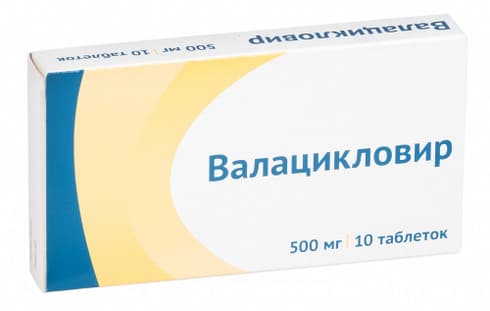
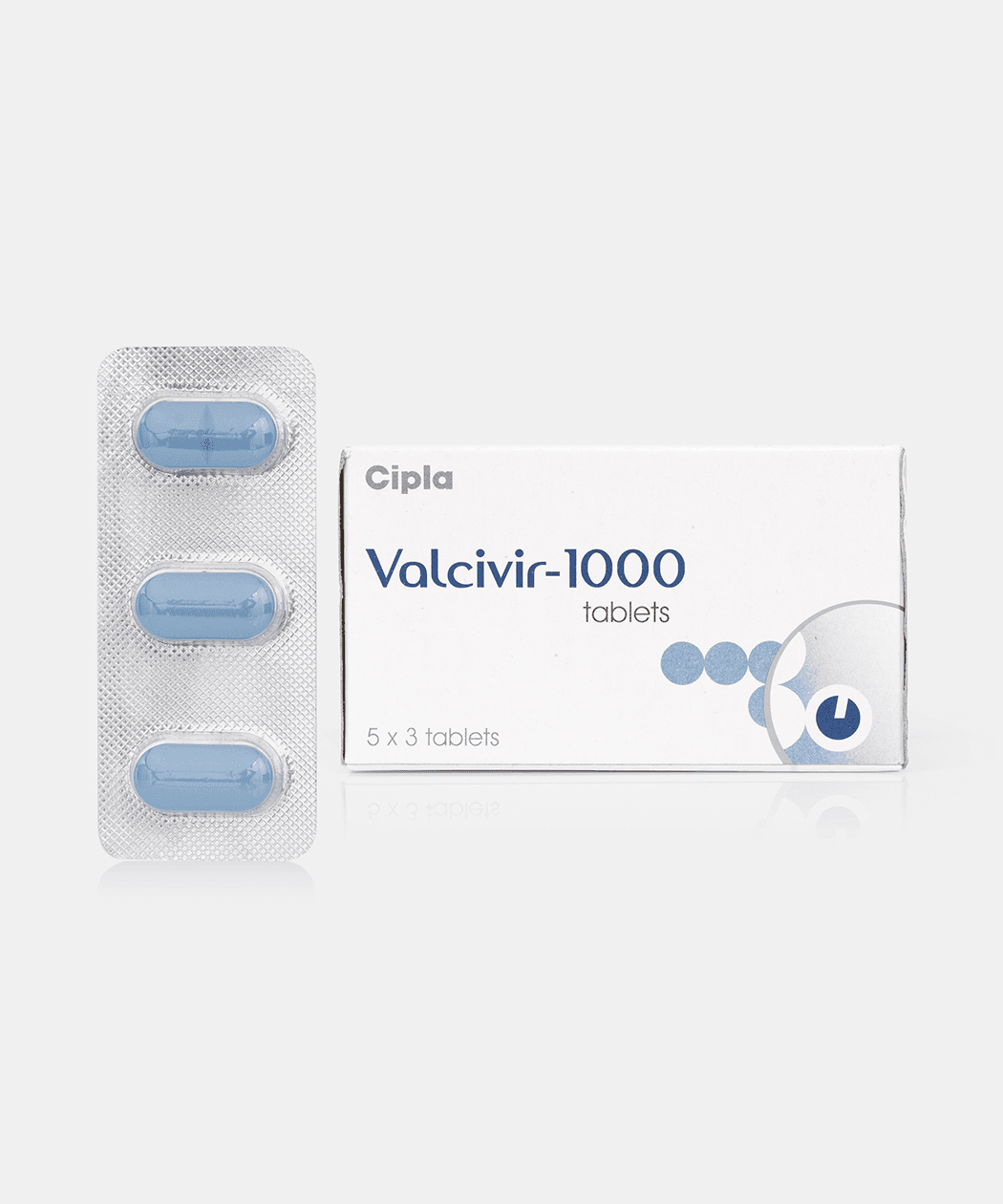
Vendors carrying Valacyclovir, with live product details and codes. Links are affiliate links that support the wiki at no cost to you.
| supplier | size | price | $/mg |
|---|---|---|---|
| PCT.Zonelowest | 1000MG | $8.07 | $0.008/mg |
| PCT.Zone | 500MG | $4.53 | $0.009/mg |
PCT.Zone
Valacyclovir
RUPharma🌐
Valacyclovir
PCT.Zone
Valacyclovir
Research
- 1996first citedValaciclovir: a review of its antiviral activity, pharmacokinetic properties and therapeutic ef…
- 2021most recentEmergence of varicella-zoster virus resistance to acyclovir: epidemiology, prevention, and trea…
- 1.Valaciclovir: a review of its antiviral activity, pharmacokinetic properties and therapeutic efficacy in herpesvirus infections
- 2.Antiviral Drugs Against Alphaherpesvirus
- 3.Emergence of varicella-zoster virus resistance to acyclovir: epidemiology, prevention, and treatment
- 4.Population Pharmacokinetics of Intravenous and Oral Acyclovir and Oral Valacyclovir in Pediatric Population to Optimize Dosing Regimens
- 5.Valacyclovir prophylaxis to prevent recurrent herpes at delivery: a randomized clinical trial
5 listed here; entry last updated August 2026
Reviews
My notesprivate to this device
FAQ
Is valacyclovir a cure for herpes?
No; it controls outbreaks and lowers transmission but does not remove the virus from the body.
How is it different from acyclovir?
It is a prodrug the body converts to acyclovir, giving higher blood levels with fewer daily doses.
Can it reduce spreading herpes to a partner?
Yes; daily suppressive therapy significantly lowers transmission risk, especially when combined with condoms.
Should I drink extra water on it?
Yes; staying hydrated protects the kidneys, which matters most at higher doses.
When should I start it for shingles or a cold sore?
As early as possible, ideally at the first tingle or within 48 to 72 hours of a shingles rash.
Adverse effects
- Nausea, vomiting or diarrhea
- Headache
- Kidney strain with dehydration or very high doses
- Rare confusion or hallucinations, mainly when kidney function is reduced