
spec sheet12 rows
Spermidine is a naturally occurring polyamine, a small organic molecule found in all living cells and in many foods such as wheat germ, aged cheese, soybeans, and mushrooms. First isolated from semen, which gives it its name, it plays fundamental roles in cell growth, gene regulation, and membrane stability. In recent years it has attracted attention as a potential longevity compound because it triggers autophagy, the cellular recycling process linked to healthy aging.
- switches on autophagy, the cell's own recycling crew
- found in wheat germ, aged cheese, soybeans and mushrooms
- a food derived molecule with a strong safety record
- tied to longevity and heart health in population data
- supports mitochondrial and cellular housekeeping
- a cheap long game bet at 1 to 6 mg a day
- occasional mild digestive upset
- long-term human benefits are not yet firmly established
- the pure chemical is corrosive and handled carefully in the laboratory
Overview
Spermidine is a polyamine, a class of small, positively charged organic molecules built around chains of nitrogen-bearing amine groups. It is present in essentially all living cells, where it interacts with negatively charged molecules such as DNA, RNA, and proteins, and it is synthesized in the body from the precursor putrescine [1]. The compound was originally isolated from semen, the source of its name, but it is now known to be widespread throughout the body and the diet [1].
Within cells, spermidine helps stabilize nucleic acids and membranes, supports the machinery of protein synthesis, regulates ion channels, and influences cell growth and division [1]. Its levels tend to decline with age in many tissues, an observation that helped spark interest in whether restoring it might counter aspects of aging [1]. It is also used routinely as a reagent in molecular biology, for example to improve the specificity of DNA amplification.
Spermidine is best known in current research as a candidate geroprotector, or aging-slowing compound. In model organisms including yeast, worms, flies, and mice, supplementing spermidine extends lifespan and postpones age-related problems such as cardiovascular disease and neurodegeneration [1][2]. It is often described as a caloric restriction mimetic, meaning it reproduces some of the beneficial effects of eating less without actually reducing food intake [2]. These effects are largely attributed to the induction of autophagy [1]. Because spermidine is naturally abundant in the Mediterranean diet, researchers have also examined dietary intake, and higher consumption has been associated with markers of longevity, though human evidence remains preliminary [3][4].
Spermidine is available as a dietary supplement, frequently sourced from wheat germ extract, and it is being evaluated in early human trials for effects on memory and general aging [3]. Because it occurs in ordinary foods and in the body's own metabolism, dietary and supplemental amounts are generally regarded as safe and well tolerated, although the pure chemical is corrosive and handled with care in the laboratory. Firm conclusions about long-term benefits in humans await larger, longer studies [3].

Mechanism
The central mechanism attributed to spermidine is the induction of , the process by which cells clear out and recycle damaged components [1]. It appears to trigger in part by inhibiting enzymes called acetyltransferases, which shifts the acetylation state of key proteins and switches on the autophagy program, a mechanism distinct from that of other autophagy-inducing drugs [1]. Through enhanced and related pathways it improves the function of mitochondria, reduces inflammation, and protects cells from stress, effects thought to underlie its benefits to the heart and nervous system in animal studies [1][2]. As a polyamine, it also binds nucleic acids and membranes and modulates ion channels and receptors, which contributes to its broad influence on cell function [1].
receptor fingerprint
machineryInduces autophagy, partly via inhibiting acetyltransferases
MitochondriaSupports mitochondrial quality control
Cardiac and neural tissuePromotes cellular housekeeping in heart and brain
Dosingtypical ranges, not medical advice
interested in protocols and clinical dosages? make an account to see them! ^_^
Safetyrisks and cautions, not medical advice
Spermidine is generally very well tolerated; it is a normal dietary component with a strong safety record at supplemental doses (about 1 to 6 mg/day), with mild digestive upset the only common complaint. The real catch is efficacy, not safety: the largest randomized trial in older adults with cognitive decline did not clearly beat placebo, with only hints of benefit, so keep expectations modest. There is a theoretical caution around active cancer, since polyamines support cell proliferation, though whether dietary-level doses matter is unestablished. Not medical advice.
History
Spermidine is a naturally occurring polyamine whose history traces back to the seventeenth century, when Antonie van Leeuwenhoek observed crystalline structures in human semen in 1678; the polyamines responsible, spermine and later spermidine, were named for that origin and were chemically characterized in the early twentieth century. Recognized as ubiquitous and essential molecules involved in cell growth, nucleic acid stabilization, and proliferation, they became the subject of renewed and intense scientific interest in the twenty first century when work led by researchers such as Frank Madeo demonstrated that spermidine acts as a potent inducer of autophagy. This finding reframed dietary spermidine, obtained from foods such as wheat germ, soy, and aged cheese, as a candidate caloric restriction mimetic and longevity agent.
Reputation
Spermidine has gained considerable standing in the longevity and healthy aging community as one of the more scientifically grounded autophagy inducing compounds, supported by animal studies showing lifespan extension and cardioprotection and by observational and small interventional human data. It is widely regarded as a promising natural intervention, and its presence in ordinary foods gives it an appealing safety narrative. Researchers and careful reviewers temper this enthusiasm by noting that robust long term human outcome trials are still lacking, that memory and cognition results have been mixed, and that its reputation currently rests more on mechanistic and epidemiological support than on definitive clinical proof.
Subjective profileweighing the evidence above
Safe and ordinary, which is the good news; the catch is efficacy, since the largest randomized trial in older adults with cognitive decline did not clearly beat placebo. Reasonable as a cheap long-game bet at 1 to 6 mg a day if autophagy interests you, but do not expect to feel anything.
Where to buy
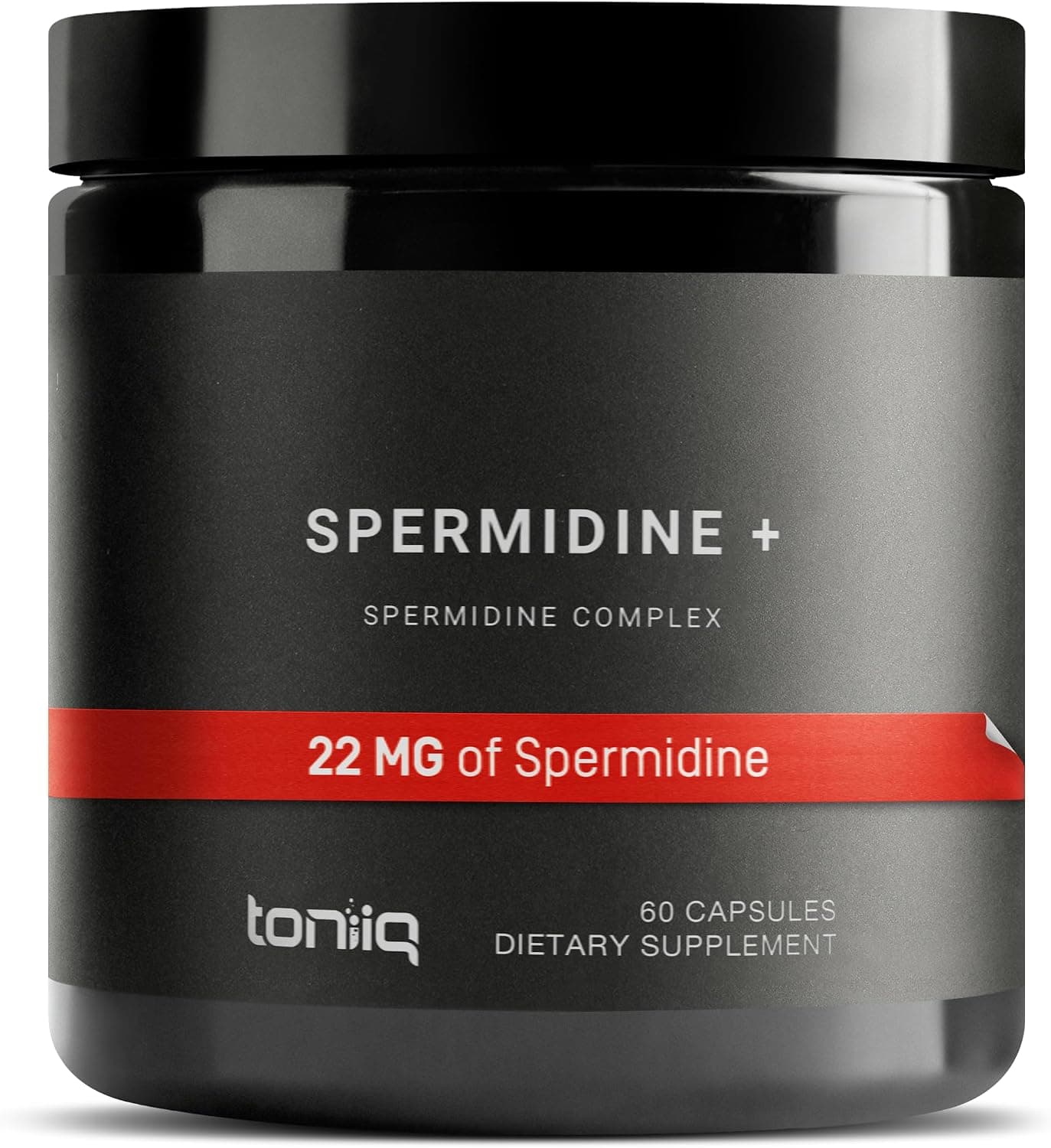
2 other outlets

Suppliers
Vendors carrying Spermidine, with live product details and codes. Links are affiliate links that support the wiki at no cost to you.
Amazon
Spermidine
Amazon
Spermidine
iHerb
Spermidine
Research
- 2016first citedCardioprotection and lifespan extension by the natural polyamine spermidine
- 2019controlled trialEffects of spermidine supplementation on cognition and biomarkers in older adults with subjecti…
- 2024most recentHuman trials exploring anti-aging medicines
- 1.Mechanisms of spermidine-induced autophagy and geroprotection
- 2.Autophagy in Cardiovascular Aging
- 3.Human trials exploring anti-aging medicines
- 4.Nutrition and longevity: from mechanisms to uncertainties
- 5.Cardioprotection and lifespan extension by the natural polyamine spermidine
- 6.Effects of spermidine supplementation on cognition and biomarkers in older adults with subjective cognitive decline (SmartAge)-study protocol for a randomized controlled trial.
6 listed here; entry last updated August 2026
Reviews
My notesprivate to this device
FAQ
Does spermidine actually extend lifespan in people?
That has not been proven in humans; the lifespan data are from animals and food-intake surveys. Human trials focus on nearer-term markers like cognition and heart health.
Can I just get it from food?
Yes; wheat germ, aged cheese, soy, and mushrooms are rich sources. Supplements are a concentrated way to raise intake consistently.
Did it improve memory in trials?
The largest randomized trial in older adults with cognitive decline did not clearly outperform placebo, though exploratory analyses hinted at possible verbal memory and inflammation benefits.
Adverse effects
- occasional mild digestive upset
- long-term human benefits are not yet firmly established
- the pure chemical is corrosive and handled carefully in the laboratory
Notes and cautions
- generally well tolerated at dietary and supplemental amounts