
spec sheet12 rows
Lutein is a yellow xanthophyll carotenoid found in dark leafy greens, corn, and egg yolks. In the body it concentrates in the macula of the retina, where together with zeaxanthin it forms the macular pigment, and it is also selectively taken up into the brain by the carrier protein StARD3; macular pigment density has been found to correlate with lutein concentrations in the occipital cortex, so retinal measurements can serve as a non-invasive index of brain lutein. It is studied mainly in relation to eye health and, more tentatively, cognition, and is used as a dietary supplement and, in some regions, as the food colorant E161b.
- Builds the macular pigment that shields your retina
- Filters the blue light coming off every screen you own
- The brain hoards it through a dedicated carrier, StARD3
- Backs sharper vision and cognition as the years add up
- Antioxidant straight from leafy greens, corn and egg yolks
- Cheap, well tolerated and an easy yes for most people
- Skin yellowing at very high intake
- Occasional digestive upset
Overview
Lutein is an oxygenated carotenoid, a member of the xanthophyll group, with the formula C40H56O2. Like other carotenoids it is fat-soluble and is produced only by plants, algae, and some microorganisms; animals, including humans, obtain it from the diet. Lutein is closely related to zeaxanthin, its structural isomer, and the two can be converted into a third form, meso-zeaxanthin, within the eye.
Dietary sources are led by dark green leafy vegetables such as spinach and kale, along with corn, egg yolk, and various peppers. Commercially, lutein is extracted from the petals of the marigold Tagetes erecta. In this role it is approved in the European Union and some other regions as the food colorant E161b, while the United States permits it in dietary supplements and animal feed rather than as a color additive for human food.
The best-studied role of lutein is in the eye, where it and zeaxanthin build up in the macula to form the macular pigment, filtering high-energy blue light and acting as antioxidants. Evidence on supplements is mixed. A systematic review and meta-analysis found that higher dietary intake of lutein and zeaxanthin was associated with a lower risk of late age-related macular degeneration, though not of early disease [3]. In the large AREDS2 trial, adding lutein and zeaxanthin to an eye-health formulation did not by itself significantly reduce progression to advanced macular degeneration, but the carotenoids proved a safer replacement for beta-carotene, which had raised lung cancer risk in former smokers [4]. A separate supplementation trial raised blood levels of the carotenoids without significantly increasing measured macular pigment density over placebo [1].
Lutein also crosses into the brain, and higher lutein status has been associated with measures of cognitive performance from childhood through older age, although this research remains preliminary [2]. It is commonly sold as a supplement, often paired with zeaxanthin, and because it is fat-soluble its absorption improves when taken with a meal containing fat. There is no established recommended dietary allowance.

Mechanism
Lutein selectively accumulates in the macula of the retina and in neural tissue, where it performs two protective jobs: it absorbs high-energy blue light before that light can reach and damage photoreceptors, and it quenches singlet oxygen and free radicals, lowering oxidative and photo- [2]. In the brain, higher lutein status is linked with better cognitive measures, plausibly through the same antioxidant and anti-inflammatory actions along with effects on neural cell membranes [2]. Because lutein is fat-soluble, it is absorbed alongside dietary fat and is transported in the blood by lipoproteins. Its influence on the course of age-related macular degeneration appears modest and context-dependent, with dietary intake linked to lower risk of late disease [3] but supplementation showing limited additional benefit in controlled trials [4].
receptor fingerprint
Macular pigmentincreases
Singlet oxygen / free radicalsquenches
Blue lightfilters
Neural processing speedsupports
Dosingtypical ranges, not medical advice
interested in protocols and clinical dosages? make an account to see them! ^_^
Safetyrisks and cautions, not medical advice
Lutein is very safe and well tolerated even at high intakes; the worst common effect is harmless yellowing of the skin (carotenodermia) at very high doses. It has no known serious interactions. Food and supplement sources both appear safe long-term.
Subjective profileweighing the evidence above
Solid, well-tolerated carotenoid with real evidence for eyes and decent signals for brain aging; an easy yes for most people.
Where to buy
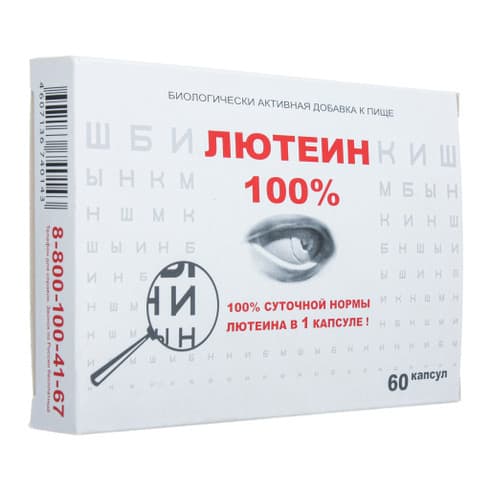
1 other outlet
Suppliers
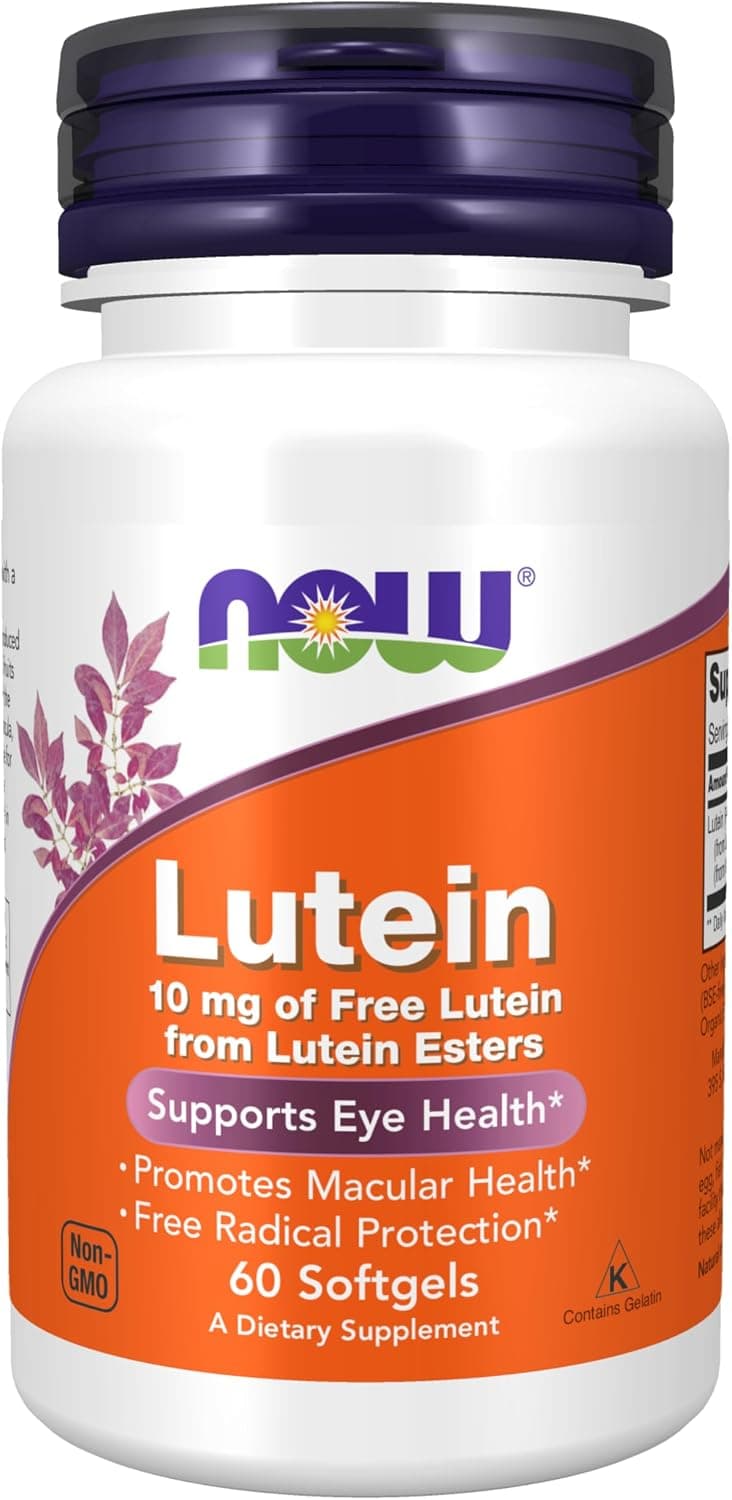
Vendors carrying Lutein, with live product details and codes. Links are affiliate links that support the wiki at no cost to you.
Amazon
Lutein
RUPharma🌐
Lutein
Research
- 2012first citedLutein and zeaxanthin intake and the risk of age-related macular degeneration: a systematic rev…
- 2021most recentLutein Has a Positive Impact on Brain Health in Healthy Older Adults: A Systematic Review of Ra…
- 1.Effect of Dietary Supplementation With Lutein, Zeaxanthin, and ω-3 on Macular Pigment: A Randomized Clinical Trial
- 2.Lutein across the Lifespan: From Childhood Cognitive Performance to the Aging Eye and Brain
- 3.Lutein and zeaxanthin intake and the risk of age-related macular degeneration: a systematic review and meta-analysis
- 4.Lutein + zeaxanthin and omega-3 fatty acids for age-related macular degeneration: the Age-Related Eye Disease Study 2 (AREDS2) randomized clinical trial
- 5.Relationship between Concentrations of Lutein and StARD3 among Pediatric and Geriatric Human Brain Tissue
- 6.Macular pigment carotenoids in the retina and occipital cortex are related in humans
- 7.Lutein Is Differentially Deposited across Brain Regions following Formula or Breast Feeding of Infant Rhesus Macaques
- 8.A possible role for lutein and zeaxanthin in cognitive function in the elderly
- 9.Lutein and Brain Function
- 10.Lutein Has a Positive Impact on Brain Health in Healthy Older Adults: A Systematic Review of Randomized Controlled Trials and Cohort Studies
- 11.Lutein and Zeaxanthin Influence Brain Function in Older Adults: A Randomized Controlled Trial
- 12.Dietary Carotenoids Lutein and Zeaxanthin Change Brain Activation in Older Adult Participants: A Randomized, Double-Masked, Placebo-Controlled Trial
20 listed here; entry last updated August 2026
Reviews
My notesprivate to this device
FAQ
Should I take lutein with zeaxanthin?
Yes, they work together in the macula and are usually dosed together around a 5-to-1 ratio.
How long until I notice benefits?
Macular pigment builds over weeks to months; do not expect overnight changes.
Do I need it with food?
Yes, it is fat-soluble so a meal with some fat greatly improves absorption.
Can I get enough from diet?
Leafy greens and egg yolks are good sources, but many people fall short of what studies use.
Is it safe long-term?
Yes, it has an excellent safety record even at supplemental doses.
Adverse effects
- Skin yellowing at very high intake
- Occasional digestive upset