
spec sheet6 rows
Acetazolamide is a carbonic anhydrase inhibitor used for glaucoma, for certain epilepsies, for fluid retention, and most often outside hospital to prevent acute mountain sickness.
- The one drug with a real mechanism for acute mountain sickness
- Forced mild acidosis drives the ventilatory response
- Faster acclimatisation for anyone going high fast
- A carbonic anhydrase inhibitor with decades of clinical use
- Also lowers aqueous humour production in glaucoma
- Useful diuresis in fluid retention, and in certain epilepsies
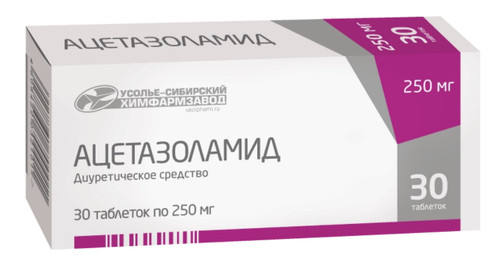
- Acetazolamide is a sulfonamide carbonic anhydrase inhibitor approved by the FDA in 1953 and still on the WHO Essential Medicines List, with active indications spanning glaucoma, epilepsy, oedema, idiopathic intracranial hypertension and acute mountain sickness.
- ADVOR was the modern rehabilitation of the drug: adding intravenous acetazolamide 500 mg daily to loop diuretics in acute decompensated heart failure achieved successful decongestion within 3 days in 42.2% versus 30.5% on placebo (risk ratio 1.46, 95% CI 1.17 to 1.82, p<0.001), with higher cumulative urine output and natriuresis [1].
- ADVOR did not improve mortality or heart-failure rehospitalisation at 3 months (hazard ratio 1.07, 95% CI 0.78 to 1.48), so the benefit is decongestion efficiency, not survival [1].
- For acute mountain sickness prophylaxis, 250 mg daily is the lowest effective dose, with a combined odds ratio of 0.36 (95% CI 0.28 to 0.46) and a number needed to treat of 6 [3]. Higher doses add toxicity without proportional benefit.
- In the Idiopathic Intracranial Hypertension Treatment Trial, acetazolamide plus a low-sodium weight-reduction diet produced only a modest improvement in visual field function over diet alone, alongside a 4.05 kg greater weight loss [2].
Mechanism
Blocking carbonic anhydrase in the proximal tubule dumps bicarbonate into the urine, producing a mild diuresis and a deliberate metabolic acidosis; at altitude that acidosis drives ventilation up and speeds acclimatisation. The same enzyme in the ciliary body produces aqueous humour, which is the glaucoma indication.
receptor fingerprint
Carbonic anhydrase II (CA2), cytosolicZinc-binding sulfonamide that coordinates the active-site Zn2+ and blocks reversible hydration of CO2, the highest-turnover and most widely distributed human CA isoform
Carbonic anhydrase IV (CA4), membrane-bound on the renal proximal tubule brush borderInhibits luminal CA4, preventing dehydration of carbonic acid and blocking proximal bicarbonate reabsorption
Ciliary body carbonic anhydrase IIReduces bicarbonate formation and therefore aqueous humour secretion
Choroid plexus carbonic anhydraseReduces cerebrospinal fluid production
Peripheral and central chemoreceptor CO2/H+ sensing (via induced metabolic acidosis)The induced non-anion-gap metabolic acidosis stimulates ventilation, accelerating acclimatisation to hypobaric hypoxia
Safetyrisks and cautions, not medical advice
a sulfonamide carbonic anhydrase inhibitor that causes metabolic acidosis, potassium loss and paraesthesia; contraindicated in sulfonamide allergy and in significant kidney or liver disease
Subjective profileweighing the evidence above
For anyone going high fast, this is the one drug with a real mechanism behind the claim: the mild acidosis it forces is what drives the ventilatory response that acclimatisation depends on, and ascending slowly remains the better answer wherever the schedule allows it. The trade is constant tingling in the fingers and face, a strong diuresis, and carbonated drinks tasting flat and metallic. A documented sulfonamide reaction rules it out, as does significant kidney or liver disease, and it is a prescription drug rather than a travel accessory.
Where to buy
Suppliers
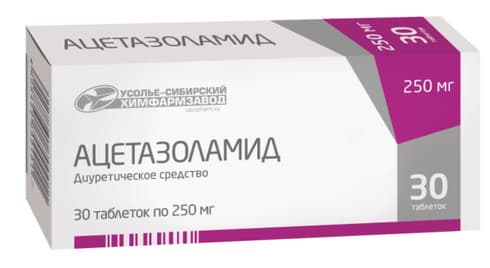
Vendors carrying Acetazolamide, with live product details and codes. Links are affiliate links that support the wiki at no cost to you.
RUPharma🌐
Acetazolamide
Research
- 2012first citedIdentifying the lowest effective dose of acetazolamide for the prophylaxis of acute mountain si…
- 2022most recentAcetazolamide in Acute Decompensated Heart Failure with Volume Overload
- 1.Acetazolamide in Acute Decompensated Heart Failure with Volume Overload
- 2.Effect of acetazolamide on visual function in patients with idiopathic intracranial hypertension and mild visual loss: the idiopathic intracranial hypertension treatment trial
- 3.Identifying the lowest effective dose of acetazolamide for the prophylaxis of acute mountain sickness: systematic review and meta-analysis
- 4.Efficacy of Acetazolamide for the Prophylaxis of Acute Mountain Sickness: A Systematic Review, Meta-Analysis and Trial Sequential Analysis of Randomized Clinical Trials
- 5.Acetazolamide for the prevention of acute mountain sickness; a systematic review and meta-analysis
- 6.Effect of Acetazolamide on Obesity-Induced Glomerular Hyperfiltration: A Randomized Controlled Trial
- 7.Acetazolamide: Old drug, new evidence?
7 listed here; entry last updated August 2026
Reviews
My notesprivate to this device
Notes and cautions
- Acetazolamide is a sulfonamide and the label warns that fatalities have occurred from severe sulfonamide reactions including Stevens-Johnson syndrome, toxic epidermal necrolysis, fulminant hepatic necrosis, agranulocytosis, aplastic anaemia and other blood dyscrasias; any rash or unexplained fever, sore throat or bruising demands immediate discontinuation.
- The predictable metabolic effects are a non-anion-gap metabolic acidosis with hypokalaemia, which limits duration of use and can be dangerous in patients already acidotic or hypokalaemic.
- It is contraindicated in marked hepatic disease or cirrhosis because of hepatic encephalopathy risk from reduced ammonia clearance, and in severe renal impairment and adrenal insufficiency.
- Long-term use causes nephrolithiasis, paraesthesia and taste disturbance (particularly of carbonated drinks), and the drug is not recommended for chronic angle-closure glaucoma because it can mask worsening angle closure.