
spec sheet7 rows
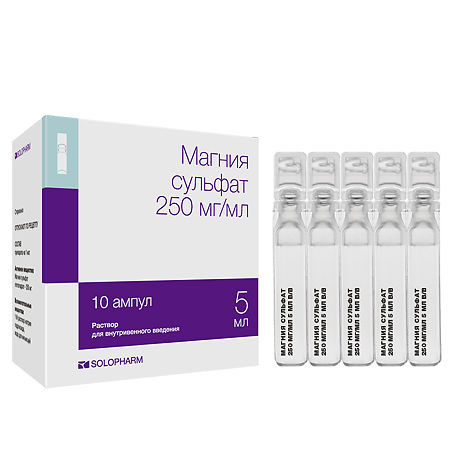
Magnesium sulfate injection is the intravenous and intramuscular form of magnesium, used in hospital for eclampsia and severe pre-eclampsia, torsades de pointes, severe asthma and symptomatic hypomagnesaemia.
- The hospital drug that stops eclamptic seizures
- Terminates torsades de pointes when minutes count
- Given intravenously or intramuscularly, whichever the situation needs
- Also used for severe asthma and symptomatic hypomagnesaemia
- A fixture of obstetric and emergency medicine worldwide
- USE ONE, ECLAMPSIA: the Collaborative Eclampsia Trial showed magnesium sulphate cut recurrent convulsions by 52% versus diazepam and by 67% versus phenytoin, ending decades of debate about which anticonvulsant to use [1].
- USE ONE, PREVENTION: the Magpie Trial randomised 10,141 women with pre-eclampsia in 33 countries and found magnesium sulphate more than halved the risk of eclampsia (0.8% versus 1.9%, a 58% relative reduction), with a non-significant reduction in maternal death and no excess harm to the baby [2].
- USE TWO, FETAL NEUROPROTECTION: the NICHD BEAM trial missed its composite primary endpoint but showed a prespecified halving of moderate or severe cerebral palsy among survivors (1.9% versus 3.5%, RR 0.55) when magnesium was given before anticipated early preterm delivery [3].
- The current Cochrane review of antenatal magnesium sulphate for fetal neuroprotection confirms a reduction in cerebral palsy with a number needed to treat of roughly 60 [7]; this is now standard care below about 30 to 32 weeks and is a completely separate indication from eclampsia prophylaxis.
- NEGATIVE: FAST-MAG randomised 1,700 patients to paramedic-initiated magnesium within two hours of stroke onset and found no improvement in 90-day disability and no mortality difference, despite achieving the fastest treatment times ever recorded in a neuroprotection trial [6]. Magnesium is not a stroke treatment.
- The 3Mg trial found intravenous magnesium produced only a small improvement in breathlessness and nebulised magnesium no benefit in severe acute asthma, so it is at best a second-line adjunct [5].
Mechanism
Magnesium is a physiological calcium at membrane channels and a voltage dependent blocker of the , which together underlie its anticonvulsant effect in eclampsia and its relaxation of smooth muscle. In torsades de pointes it suppresses the early afterdepolarisations that trigger the arrhythmia, and it does so whether or not serum magnesium was low to begin with.
receptor fingerprint
(GRIN1/GRIN2B) ion channel poreVoltage-dependent open-channel blocker
Voltage-gated calcium channels (Cav1.2 / Cav2.1) in smooth muscle and at nerve terminalsNon-competitive blocker; magnesium competes with calcium
Neuromuscular junction presynaptic releaseInhibited
Cerebral vascular endothelium and Vasodilation, reduced vasospasm and reduced endothelial permeability
Bronchial smooth muscleRelaxation via calcium antagonism
Safetyrisks and cautions, not medical advice
the parenteral form is an obstetric and cardiac emergency drug; excess or over-rapid administration causes loss of deep tendon reflexes, respiratory depression and cardiac arrest, and it is given with reflex and respiratory monitoring and calcium gluconate kept to hand as the antidote
Subjective profileweighing the evidence above
Nothing about the parenteral form is a supplement question: this is the drug that stops eclamptic seizures and terminates torsades de pointes, given by people watching reflexes and breathing with the antidote already drawn up. The properties that make it work are the same ones that make an overdose a cardiac arrest, and the line between them is read off the patient rather than off the vial. Oral magnesium for cramps or sleep is a completely different conversation, and confusing the two is how somebody gets hurt.
Resources
No suppliers are provided for compounds like this. This entry is here for reference.
Research
- 1995first citedWhich anticonvulsant for women with eclampsia? Evidence from the Collaborative Eclampsia Trial
- 2010meta-analysisMagnesium sulphate and other anticonvulsants for women with pre-eclampsia
- 2024most recentMagnesium sulphate for women at risk of preterm birth for neuroprotection of the fetus
- 1.Which anticonvulsant for women with eclampsia? Evidence from the Collaborative Eclampsia Trial
- 2.Do women with pre-eclampsia, and their babies, benefit from magnesium sulphate? The Magpie Trial: a randomised placebo-controlled trial
- 3.A randomized, controlled trial of magnesium sulfate for the prevention of cerebral palsy
- 4.Magnesium sulphate and other anticonvulsants for women with pre-eclampsia
- 5.Intravenous or nebulised magnesium sulphate versus standard therapy for severe acute asthma (3Mg trial): a double-blind, randomised controlled trial
- 6.Prehospital use of magnesium sulfate as neuroprotection in acute stroke
- 7.Magnesium sulphate for women at risk of preterm birth for neuroprotection of the fetus
7 listed here; entry last updated August 2026
Reviews
My notesprivate to this device
Notes and cautions
- Magnesium sulphate injection has no boxed warning, but in 2013 the FDA warned against its use beyond five to seven days to stop preterm labour, because prolonged fetal exposure causes low fetal calcium and skeletal demineralisation with neonatal fractures, and reclassified that use as pregnancy category D.
- Toxicity is dose- and renal-function-dependent and follows a predictable sequence: loss of the patellar reflex, then somnolence and slurred speech, then respiratory depression, then cardiac conduction block and arrest.
- Administration therefore requires monitoring of deep tendon reflexes, respiratory rate, urine output and, where indicated, serum magnesium, with intravenous calcium gluconate immediately available as the antidote.
- Dosing must be reduced in renal impairment because magnesium is cleared entirely by the kidney, and caution is required with concurrent calcium-channel blockers or neuromuscular blocking agents; myasthenia gravis is a contraindication.