
spec sheet14 rows
Magnesium chloride is a highly soluble inorganic salt of the essential mineral magnesium, made of one magnesium ion and two chloride ions (MgCl2). It is used as a dietary supplement to raise or maintain magnesium status, and it is also the magnesium form behind topical "magnesium oil," a concentrated MgCl2 solution applied to the skin [1][5]. Because it dissolves and ionizes fully, the chloride form is absorbed on par with other soluble magnesium salts and better than magnesium oxide, though the fraction taken up is still modest like every magnesium supplement [1].
- the cheapest, most soluble way to fix a real magnesium gap
- absorbed on par with the other soluble magnesium salts
- comfortably beats magnesium oxide on uptake
- supports sleep and evening relaxation
- eases cramps and muscle tension when magnesium is low
- also the exact form behind topical magnesium oil
- Loose stools or diarrhea, more than gentler forms
- Stomach upset or nausea, especially without food
- Skin tingling or irritation from topical use
Overview
Magnesium chloride is a simple inorganic salt in which a magnesium ion is paired with two chloride ions, and it is one of the most water-soluble magnesium compounds you can buy [1]. That solubility is the whole personality of this form. It dissolves and ionizes completely, so it turns up both as an oral supplement in flakes, capsules, and liquids and as the "magnesium oil" people spray on their skin; that oil is not actually an oil, just a concentrated magnesium chloride solution that happens to feel slippery [5].
On absorption, the soluble salts tend to win. In a comparison of US commercial magnesium preparations, chloride and other soluble forms were taken up more completely than poorly soluble magnesium oxide [1]. Worth keeping honest though; the gap between decent magnesium forms is smaller than the label copy implies, and the total fraction absorbed from any magnesium supplement is still modest, with the leftover pulling water into the gut, which is exactly the laxative effect the chloride form is a little notorious for.
Magnesium itself is an essential mineral and a cofactor for hundreds of enzymes covering energy production, nerve and muscle signaling, and blood-sugar handling, and dietary surveys suggest plenty of people run low. The most interesting human data on the chloride form specifically comes from a Mexican research group that ran a series of randomized trials using an oral magnesium chloride solution: it improved insulin sensitivity and metabolic control in type 2 diabetics with low magnesium [2], improved insulin sensitivity in non-diabetic but insulin-resistant people [3], and in an equivalence trial worked about as well as a low dose of the antidepressant imipramine for depression in older diabetics who were magnesium deficient [4]. Worth flagging that all of those were in people who were actually low on magnesium, so they say more about fixing a deficit than about magnesium as a general upgrade.
It gets marketed hard for sleep and muscle cramps. Correcting a genuine deficiency can help sleep, restlessness, and cramping, but a Cochrane review of magnesium for skeletal muscle cramps found little benefit for the common idiopathic (usually nighttime) cramps most people are chasing [6], so the cramp claim reads as "helps if you are truly low, probably not magic if you are not." The sleep angle is plausible through magnesium's calming effect on NMDA-glutamate signaling, and the chloride form works fine for it; glycinate is simply the better first pick when the goal is purely sleep and calm, because chloride is the more laxative of the two.
The topical route deserves a skeptical eye. A pilot study of a transdermal magnesium cream reported a rise in magnesium markers over two weeks, but it was small and not definitive [5], and reviewers remain unconvinced that skin application meaningfully raises whole-body magnesium. Realistically, magnesium oil can be pleasant and may soothe a sore spot through the massage and the ritual, but if you want to actually move your magnesium status, take it by mouth. Like all supplemental magnesium, excess mainly causes loose stools, and clearance is renal, so it warrants caution in kidney disease; it is sold over the counter as flakes, capsules, liquids, bath salts, and sprays.
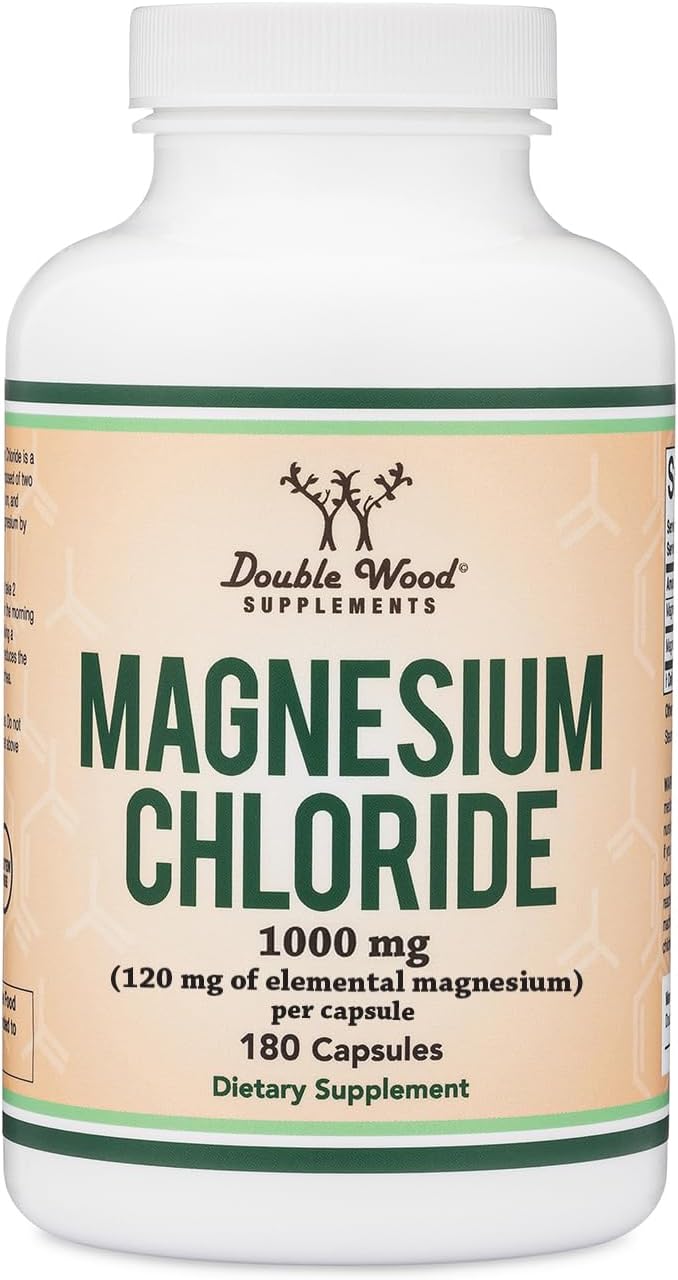
- The 'magnesium oil' sold for skin is not oil at all; it is just magnesium chloride dissolved in water until it feels slippery.
- Magnesium chloride is the traditional coagulant used to make tofu, where it is known as nigari, and it is also spread on roads to control ice and dust.
Mechanism
Magnesium chloride works mainly as a delivery vehicle for elemental magnesium, with chloride serving as a benign, highly soluble counter-ion. Because the salt dissolves and ionizes completely in the gut, the magnesium is presented as free ions and absorbed by the paracellular and transcellular routes; that good solubility is why chloride and similar salts out-absorb magnesium oxide [1]. Once in circulation, magnesium acts as a cofactor for hundreds of enzymes, supporting ATP-dependent reactions, DNA and protein synthesis, and muscle and nerve conduction, and it modulates the movement of calcium and potassium across membranes as well as - signaling, which is part of the rationale for its calming and sleep effects [2][3].
Restoring magnesium in deficient people has been linked to better sensitivity, one of the clearer signals from the trials that used the chloride form specifically [2][3]. The chloride contributes to the body's chloride pool and gives concentrated solutions a mild acid character, one reason oral magnesium chloride can feel harsh on an empty stomach; elimination is chiefly renal, so kidney function governs the risk of accumulation.
receptor fingerprint
Magnesium-dependent enzymes (300+)cofactor
/ receptorsmodulates (blocks)
signaling / glucose handlingsupports
Neuromuscular excitabilitystabilizes
Dosingtypical ranges, not medical advice
interested in protocols and clinical dosages? make an account to see them! ^_^
Safetyrisks and cautions, not medical advice
Well tolerated at sensible doses but one of the more laxative magnesium forms; loose stools, cramping, and nausea are the usual limiters, especially on an empty stomach, and taking it with food and splitting the dose helps a lot. Clearance is renal, so use caution and get medical guidance in significant kidney disease. Separate it by a couple of hours from certain antibiotics (tetracyclines and quinolones), bisphosphonates, and thyroid medication, since magnesium can bind them and reduce their absorption. Topical use occasionally causes skin tingling or irritation.
Interactionsdocumented pairs only, not exhaustive
Most magnesium chloride interactions are absorption problems in the gut. Magnesium is a divalent cation, and it chelates tetracyclines, fluoroquinolones such as ciprofloxacin and levofloxacin, oral bisphosphonates and levothyroxine into complexes the intestine cannot take up; measured falls in antibiotic bioavailability run from roughly half the dose to almost all of it. Spacing the two by several hours largely preserves absorption, so this behaves as a timing problem rather than a contraindication.
Systemically, magnesium blocks calcium entry at the neuromuscular junction, so parenteral or large oral loads potentiate non-depolarizing neuromuscular blockers and add to the sedation of CNS depressants. Impaired clearance matters more than any drug pairing: in kidney impairment, ordinary supplemental amounts can accumulate to symptomatic hypermagnesemia, with weakness, hypotension and loss of deep tendon reflexes.
The traffic runs the other way too. Proton pump inhibitors deplete magnesium over prolonged use, and low magnesium in turn sensitizes the heart to digoxin and to QT-prolonging drugs.
Checking a whole stack? Run it through interactions + stacks.
History
null
Reputation
null
Where to buy
Suppliers
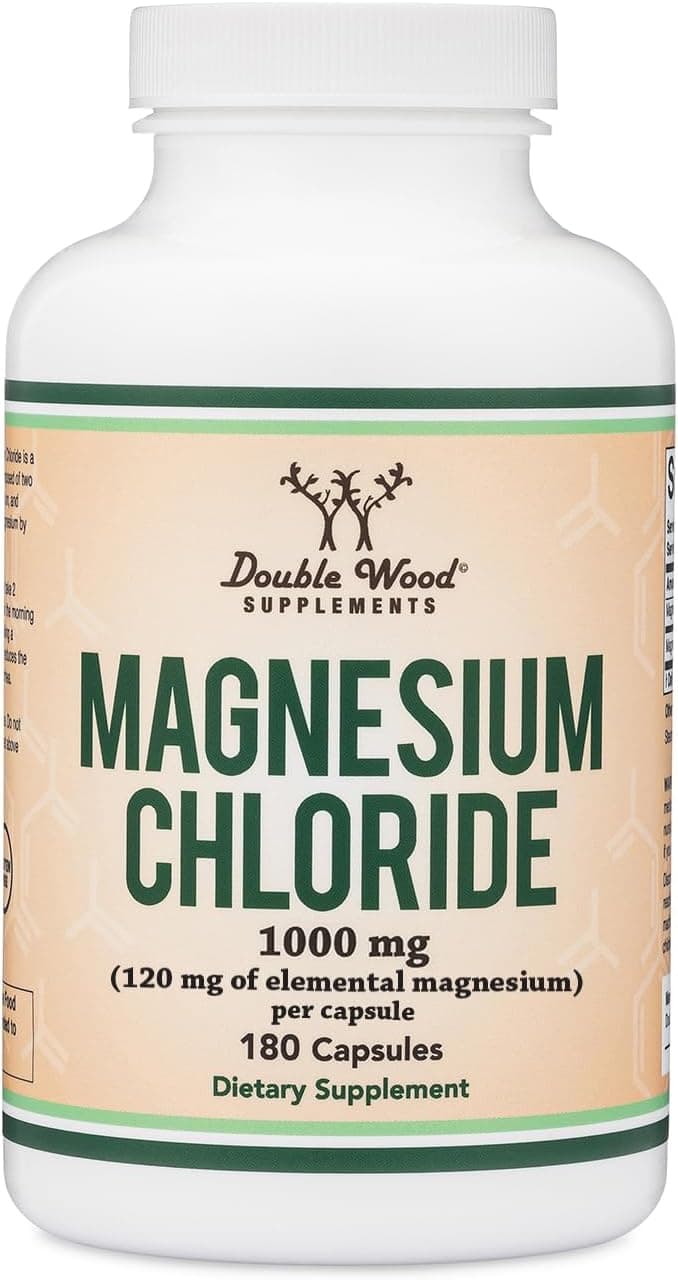
Vendors carrying Magnesium Chloride, with live product details and codes. Links are affiliate links that support the wiki at no cost to you.
Amazon
Magnesium Chloride
Research
- 2001first citedBioavailability of US commercial magnesium preparations
- 2012meta-analysisMagnesium for skeletal muscle cramps
- 2017most recentEffect of transdermal magnesium cream on serum and urinary magnesium levels in humans: A pilot…
- 1.Bioavailability of US commercial magnesium preparations
- 2.Oral magnesium supplementation improves insulin sensitivity and metabolic control in type 2 diabetic subjects: a randomized double-blind controlled trial
- 3.Oral magnesium supplementation improves insulin sensitivity in non-diabetic subjects with insulin resistance. A double-blind placebo-controlled randomized trial
- 4.Efficacy and safety of oral magnesium supplementation in the treatment of depression in the elderly with type 2 diabetes: a randomized, equivalent trial
- 5.Effect of transdermal magnesium cream on serum and urinary magnesium levels in humans: A pilot study
- 6.Magnesium for skeletal muscle cramps
6 listed here; entry last updated August 2026
Reviews
My notesprivate to this device
FAQ
Is magnesium chloride the same as magnesium oil?
Basically yes; 'magnesium oil' is just a concentrated magnesium chloride solution you spray on skin. It is called an oil for the slick feel, not because there is any actual oil in it.
Does it work as well as magnesium glycinate?
For raising magnesium it is just as effective and usually cheaper, but it is more laxative and less inherently calming, so for pure sleep and anxiety glycinate is still the better first choice.
Will the topical spray really raise my magnesium?
Not reliably. The skin-absorption data is thin, so if you actually want to fix a deficiency, take it by mouth; use the oil for the ritual or a bit of local soreness, not as your main source.
Why does it upset my stomach?
It is highly soluble and pulls water into the gut, which is the laxative effect; take it with food and split the dose and most people tolerate it fine.
How much elemental magnesium is in it?
Magnesium chloride is only about 12 percent magnesium by weight, so you need a bigger dose of the salt than you would with a concentrated form to hit the same elemental amount; check the label for the elemental number.
Adverse effects
- Loose stools or diarrhea, more than gentler forms
- Stomach upset or nausea, especially without food
- Skin tingling or irritation from topical use
- Magnesium buildup risk in kidney disease