
data + articles · 5 listed
newest 2019spec sheet12 rows
Magnesium taurate is a compound pairing the mineral magnesium with the amino sulfonic acid taurine, promoted as a dietary supplement chiefly for cardiovascular and metabolic support. Interest in it originated largely from a 1996 hypothesis proposing that magnesium and taurine have complementary effects on blood vessels, blood pressure, and cellular calcium handling [1]. Direct human research on magnesium taurate itself is limited, and much of the supporting laboratory work has used the closely related salt magnesium acetyltaurate [2][3].
- the form to pick when blood pressure is the goal
- magnesium and taurine work on the vessels together
- calming enough to help sleep and steady the nerves
- gentler on the gut than the cheap oxide forms
- a smart pairing for heart rhythm and daily calm
- Mild digestive upset in some people
- Risk of magnesium buildup in people with impaired kidney function
Overview
Magnesium taurate is an organic magnesium salt in which magnesium is combined with taurine, a sulfur-containing amino acid abundant in the heart, brain, and muscle. As an organic, reasonably soluble form it is grouped with the amino-acid-associated magnesium compounds and is marketed in capsules and tablets as a general supplement [4][5]. A chemically related derivative, magnesium acetyltaurate, appears frequently in the research literature and is sometimes conflated with taurate, though the two are distinct [2][3].
The concept behind the supplement was set out in a 1996 paper arguing that magnesium and taurine act in parallel to lower intracellular free calcium and thereby exert antihypertensive, anti-arrhythmic, antithrombotic, and anti-atherosclerotic effects, making the combined salt an attractive candidate for a vascular-protective nutrient [1]. Taurine and magnesium have each been linked independently to blood pressure regulation, insulin sensitivity, and cardiovascular health, which is the basis for pairing them in a single compound [1].
Evidence bearing specifically on magnesium taurate is sparse, and most experimental support comes from studies of magnesium acetyltaurate. In animal models, magnesium acetyltaurate has shown neuroprotective effects, for example reducing retinal and optic-nerve cell death in a model of endothelin-induced injury, an effect attributed partly to lowering oxidative stress [2]. Comparative bioavailability studies in rodents that included magnesium acetyltaurate reported rapid absorption and notable uptake of magnesium into the brain, along with reduced anxiety-related behavior [3]. These findings concern the acetyltaurate form and animal systems, so they cannot be assumed to translate directly to magnesium taurate in people [2][3].
Magnesium taurate is sold over the counter as a dietary supplement rather than as an approved medicine, and it is used, like other magnesium sources, to help meet magnesium requirements [4][5]. Supplemental magnesium in general is subject to tolerable upper intake guidance because higher intakes can cause loose stools and, in people with impaired kidney function, a risk of magnesium accumulation [5]. Because rigorous human trials of the taurate form are lacking, claims about specific cardiovascular or neurological benefits remain largely theoretical [1].

Mechanism
Magnesium taurate is intended to deliver magnesium together with taurine, and its proposed actions combine the effects of the two constituents. Absorbed magnesium acts as a cofactor for numerous enzymes and, importantly for the vascular rationale, works both inside and outside cells to limit the level of free cytoplasmic calcium; lowering intracellular calcium tends to relax vascular smooth muscle, stabilize cardiac rhythm, and reduce platelet activation [1]. Taurine is thought to act along complementary lines, contributing to blood pressure regulation, membrane stabilization, and antioxidant defenses, so the pairing was conceived as reinforcing magnesium's cardiovascular effects [1].
Much of the mechanistic detail available comes from the related compound magnesium acetyltaurate rather than the taurate salt itself. In laboratory models this derivative is absorbed rapidly and delivers magnesium efficiently to the brain, where higher magnesium has been associated with reduced anxiety-like behavior, and it has limited tissue injury by curbing and programmed cell death [2][3]. Whether these mechanisms operate to a meaningful degree with orally supplemented magnesium taurate in humans has not been established [2][3]. As with any magnesium supplement, the mineral is cleared mainly by the kidneys, so impaired renal function raises the risk of accumulation [5].
receptor fingerprint
Magnesium-dependent enzymescofactor
Vascular tone / blood pressurelowers
signalingsupports
Cardiac calcium handling (via taurine)stabilizes
Dosingtypical ranges, not medical advice
interested in protocols and clinical dosages? make an account to see them! ^_^
Safetyrisks and cautions, not medical advice
Very well tolerated with minimal GI upset. Taurine is safe at these amounts. Standard magnesium cautions apply for advanced kidney disease and for spacing away from certain antibiotics and thyroid medication.
History
Magnesium taurate is a salt or chelate that pairs the essential mineral magnesium with the amino acid taurine. It arose from the broader effort by supplement formulators to develop organic, amino-acid-bound forms of magnesium intended to improve absorption and tolerability compared with inorganic salts such as magnesium oxide. The particular pairing with taurine attracted attention because both magnesium and taurine have independently documented roles in cardiovascular and neuronal function, leading proponents, notably researchers writing on nutritional cardiology, to propose the combination as a rational vehicle for delivering both nutrients together.
Reputation
Magnesium taurate is well regarded among supplement users and formulators as a gentle, highly tolerable form of magnesium, and it is frequently recommended for people who experience the laxative effect common to cheaper magnesium salts. It has developed a particular following for cardiovascular and calming or sleep-related uses, on the rationale that taurine may complement magnesium's effects on the heart and nervous system. Its reputation is tempered by the observation that direct clinical trials of this specific form are limited, so much of the enthusiasm rests on the established properties of magnesium and taurine individually rather than on head-to-head evidence for the combined salt.
Subjective profileweighing the evidence above
An excellent form when blood pressure, heart rhythm, or calm are the goals; taurine makes it a smart pairing, though it costs a bit more.
Where to buy
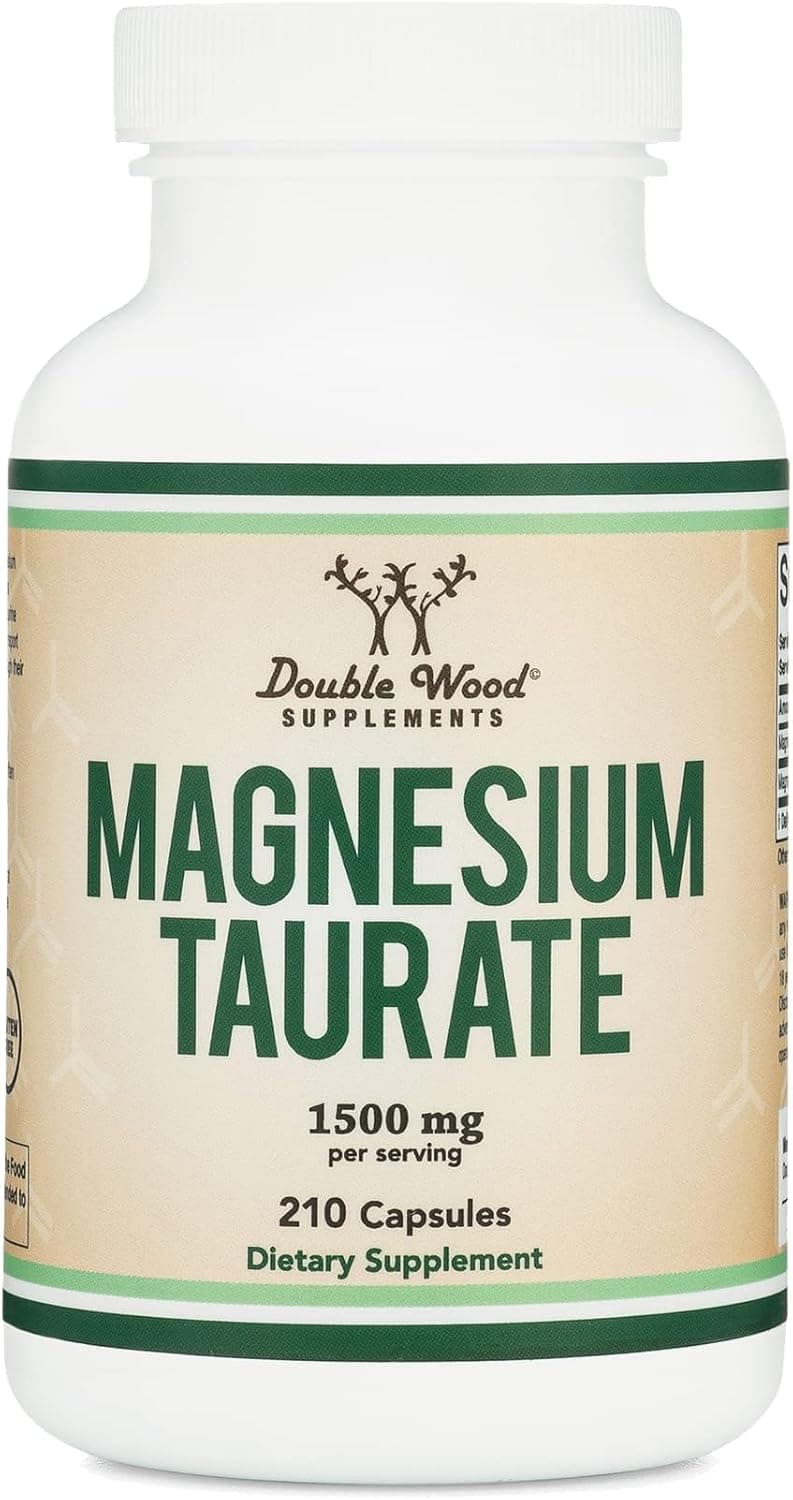
1 other outlet

Suppliers
Vendors carrying Magnesium Taurate, with live product details and codes. Links are affiliate links that support the wiki at no cost to you.
Amazon
Magnesium Taurate
iHerb
Magnesium Taurate
Research
- 1996first citedComplementary vascular-protective actions of magnesium and taurine: a rationale for magnesium t…
- 2019most recentTimeline (Bioavailability) of Magnesium Compounds in Hours: Which Magnesium Compound Works Best?
- 1.Complementary vascular-protective actions of magnesium and taurine: a rationale for magnesium taurate
- 2.Protective effect of magnesium acetyltaurate against endothelin-induced retinal and optic nerve injury
- 3.Timeline (Bioavailability) of Magnesium Compounds in Hours: Which Magnesium Compound Works Best?
- 4.Intestinal Absorption and Factors Influencing Bioavailability of Magnesium: An Update
- 5.Magnesium: Fact Sheet for Health Professionals (NIH Office of Dietary Supplements)
5 listed here; entry last updated August 2026
Reviews
My notesprivate to this device
FAQ
Why combine magnesium and taurine?
Both support blood pressure, heart rhythm, and a calmer nervous system, so they complement each other.
Is it good for blood pressure?
The combination has reasonable support for modest blood pressure benefits.
Is it gut-friendly?
Yes, like glycinate it is gentle and unlikely to cause loose stools at normal doses.
Can I take it for sleep?
Yes, it has a calming profile, though glycinate is the more classic sleep pick.
Does it interact with meds?
Separate it from some antibiotics and thyroid medication by a couple hours.
Limitations of the evidence
- Human safety data specific to this form are limited
Adverse effects
- Mild digestive upset in some people
- Risk of magnesium buildup in people with impaired kidney function
Notes and cautions
- Generally well tolerated, with loose stools possible at higher intakes