
spec sheet4 rows
Staphylococcal toxoid is formaldehyde-inactivated staphylococcal exotoxin given as a graded course of injections to raise antitoxin titres in chronic staphylococcal infection; it is used in Russia and has no counterpart approval elsewhere.
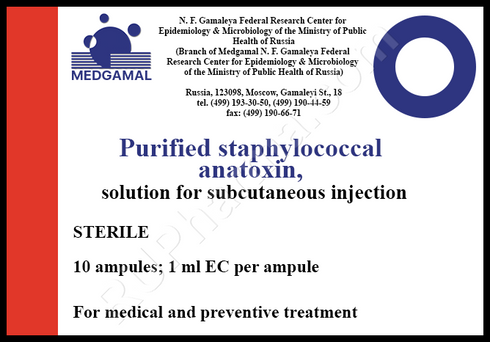
- Staphylococcal toxoid (staphylococcal anatoxin) is a formaldehyde-inactivated preparation of Staphylococcus aureus alpha-haemolysin and related exotoxins, marketed principally in Russia and other post-Soviet states for chronic and recurrent staphylococcal infection and for hyperimmunising plasma donors.
- It has never been approved by the FDA or the EMA, and no modern regulatory dossier for it exists in English.
- There is no indexed randomized controlled trial, meta-analysis or modern controlled cohort evaluating this product; the indexed literature is limited to pre-1960 uncontrolled case series and Soviet-era donor-immunisation reports.
- The distinct and unrelated modern research literature on 'S. aureus toxoid vaccines' concerns investigational multicomponent candidates such as IBT-V02 and engineered LukAB toxoids, which are not this product and must not be cited for it.
- No S. aureus vaccine of any kind has ever succeeded in a phase 3 efficacy trial, which is important context for any efficacy claim made for this product.
Mechanism
The preparation is staphylococcal exotoxin, chiefly alpha-haemolysin, inactivated with formalin and heat and stripped of ballast protein, so it presents the antigenic surface without the pore-forming activity. The stated aim is a rise in circulating antitoxin sufficient to neutralise toxin released during infection, which is a different objective from killing the organism. Whether antitoxin titre translates into clinical benefit in chronic furunculosis has never been tested in a controlled trial to modern standards.
Safetyrisks and cautions, not medical advice
a bacterial toxoid vaccine given as a course of subcutaneous injections; it is a Russian-only product with no Western approval, and immunisation belongs in a clinical setting
Subjective profileweighing the evidence above
Immunisation is a clinical act, and pointing anyone toward a vial of injectable bacterial antigen is not something this site will do; that is the whole of the refusal. The underlying idea is coherent enough: inactivate the alpha haemolysin, raise antitoxin, blunt the damage that toxin does during infection, an aim quite different from killing the organism. What is missing is any controlled test of whether a higher antitoxin titre shortens chronic furunculosis, and after decades of use in one country that absence counts against it rather than for it.
Resources
No suppliers are provided for compounds like this. This entry is here for reference.
Reviews
My notesprivate to this device
Notes and cautions
- There is no modern controlled safety dataset for this product, so any safety statement must be presented as unquantified.
- Historic and manufacturer sources describe local injection-site reaction, fever and malaise as expected effects, with the usual risk of hypersensitivity to a protein preparation.
- Because it is a parenteral bacterial protein product given repeatedly over weeks, serum-sickness-type reactions and anaphylaxis are foreseeable but not quantified in any indexed source.
- The absence of controlled evidence should itself be presented to the reader as the headline fact rather than buried.