
spec sheet6 rows
Glucosaminylmuramyl dipeptide is a synthetic fragment of bacterial peptidoglycan, sold in Russia as Licopid to stimulate innate immunity in chronic and recurrent infection.
- Sold in Russia as Licopid for recurrent infection
- A defined synthetic fragment of bacterial peptidoglycan
- NOD2 is a real receptor, not a vague mechanism
- A stronger NOD2 ligand than natural muramyl dipeptide
- Predictable cytokine release through IL-1, IL-6 and TNF
- Innate immunity stimulated by a precisely defined molecule
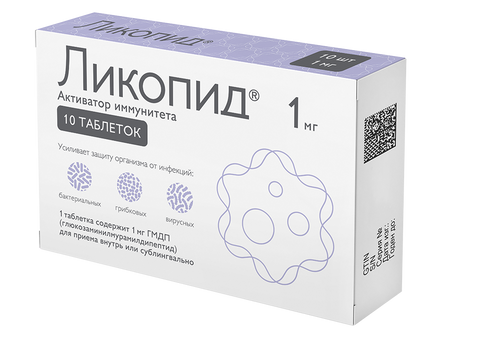
- GMDP is a synthetic peptidoglycan fragment marketed in Russia as Likopid and acts as an agonist of the intracellular pattern-recognition receptor NOD2 [1].
- It raises TLR4, NOD2 and TNF-alpha expression early and only later induces the suppressive genes A20 and ATF3, so pro-inflammatory readings are incomplete without the delayed damping arm [1].
- Timing determines direction: given before sensitisation it cut neutrophilia and lowered BALF IgA 2.6-fold and serum IgE 2.2-fold, but given with the allergen it significantly increased eosinophilia and neutrophilia [2].
- The Russian systematic review underpinning its respiratory indication found 17 publications from 13 prospective trials, of which only one was blinded and placebo-controlled [5].
- Muramyl peptides mediate the NOD2-dependent ability of BCG to induce trained immunity, the mechanistic argument for GMDP as a low-molecular-weight substitute for bacterial lysates [6].
Mechanism
GMDP is recognised by NOD2, the intracellular sensor that normally detects bacterial muramyl dipeptide, and the extra N-acetylglucosamine sugar makes it a more potent than MDP itself. NOD2 engagement recruits RIP2 kinase and activates NF-kB, so monocytes and macrophages release IL-1, IL-6 and TNF, antigen presentation increases and neutrophil and natural killer activity rises. That is a well-characterised pathway; what is missing is controlled human evidence that driving it deliberately helps in the conditions this product is sold for.
receptor fingerprint
NOD2 (NLRC2), the intracellular peptidoglycan sensorDirect agonist; GMDP is a synthetic N-acetylglucosaminyl-N-acetylmuramyl dipeptide fragment of peptidoglycan that engages NOD2 and signals through RIP2 to NF-kB
Scavenger receptors SR-AI and SR-B and RAGE on peritoneal macrophagesIncreases membrane expression and mRNA, alongside MMP-9 and TIMP-1
TNF-alpha transcriptionEarly upregulation in human PBMCs and in mice, alongside increased TLR4 and NOD2 message
A20 (TNFAIP3) deubiquitinase and ATF3Delayed induction of both inflammation-suppressing genes, after the pro-inflammatory wave
Safetyrisks and cautions, not medical advice
a prescription immunostimulant in Russia; NOD2 agonism drives proinflammatory cytokine release and transient fever is the expected pharmacology, not an adverse surprise, and there is no Western approval or independent trial base
Where to buy
Suppliers
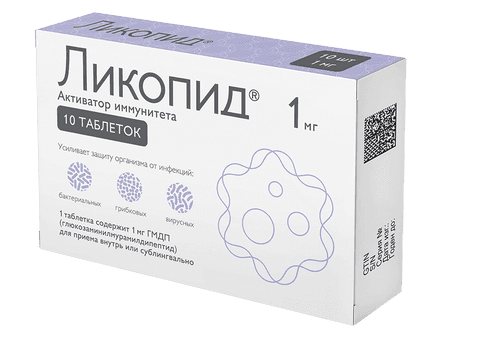
Vendors carrying Glucosaminylmuramyl Dipeptide, with live product details and codes. Links are affiliate links that support the wiki at no cost to you.
RUPharma🌐
Glucosaminylmuramyl Dipeptide
Research
- 1997first citedGlucosaminylmuramyl dipeptide (GMDP) modulates endothelial cell activities in vitro but has no…
- 2023most recentInflammation Regulation by Bacterial Molecular Patterns.
- 1.Inflammation Regulation by Bacterial Molecular Patterns.
- 2.Dual Effect of Low-Molecular-Weight Bioregulators of Bacterial Origin in Experimental Model of Asthma.
- 3.Different effects of the immunomodulatory drug GMDP immobilized onto aminopropyl modified and unmodified mesoporous silica nanoparticles upon peritoneal macrophages of women with endometriosis.
- 4.Glucosaminylmuramyl dipeptide (GMDP) modulates endothelial cell activities in vitro but has no effect on angiogenesis in vivo.
- 5.[Glucosaminylmuramyl dipeptide in treatment of respiratory tract diseases].
- 6.[BCG, muramylpeptides, trained immunity (part II): a low molecular weight alternative to multicomponent bacterial immunostimulants for prevention of respiratory infections during a pandemic].
6 listed here; entry last updated August 2026
Reviews
My notesprivate to this device
Notes and cautions
- GMDP has no FDA or EMA approval, and its clinical base is 13 prospective Russian trials of which only one was blinded and placebo-controlled [5].
- The hazard that matters is timing-dependent: co-administered with an allergen in an experimental asthma model it amplified macrophage, lymphocyte and neutrophil influx into the lungs and could aggravate disease, whereas pre-sensitisation dosing was protective [2].
- As a NOD2 agonist it should be assumed capable of provoking flares in NOD2-linked inflammatory disease such as Crohn disease and Blau syndrome; transient fever is the commonly reported adverse effect.