
spec sheet7 rows
Inosine pranobex is a 1:3 molar complex of inosine with 4-acetamidobenzoic acid and dimethylaminoisopropanol, licensed in parts of Europe as an immunomodulator for herpes infections, genital warts and subacute sclerosing panencephalitis; it is not approved in the United States or the United Kingdom.
- Licensed in parts of Europe as an immunomodulator
- Indications in herpes infections and genital warts
- T lymphocyte and natural killer cell function restored
- Cytokine balance shifted towards a Th1 pattern
- A 1:3 molar complex with a defined composition
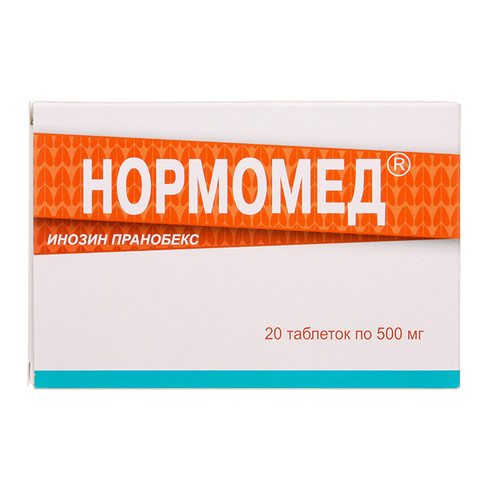
- Inosine pranobex is a 3:1 complex of inosine with 4-acetamidobenzoic acid and dimethylaminoisopropanol, licensed since 1971 as Isoprinosine and methisoprinol; it is not FDA-approved [2].
- Its Phase 4 RCT in 463 subjects with influenza-like illness MISSED its primary endpoint: time to resolution of all symptoms did not differ from placebo (HR 1.175, 95% CI 0.806-1.714, p=0.324) [1].
- Benefit appeared only in a post-hoc subgroup of healthy non-obese subjects under 50, which is hypothesis-generating rather than confirmatory [1].
- It enhances T-cell proliferation, NK activity and pro-inflammatory cytokine levels, with largest effects in patients who start immunosuppressed [2].
- It is neither genotoxic nor mutagenic across comet, micronucleus and Ames assays up to 1,000 microgram/mL [5].
Mechanism
It is described as restoring T lymphocyte and natural killer cell function and shifting production towards a Th1 pattern, rather than acting on any virus directly. The two carrier salts are there to improve inosine's availability; inosine itself is then broken down through hypoxanthine to uric acid, which is the origin of the drug's most consistent laboratory finding.
receptor fingerprint
T-lymphocyte proliferation and differentiationEnhances proliferation and functional maturation of T cells, restoring deficient responses in immunosuppressed patients
Natural killer cell cytotoxic activityIncreases NK cell activity
Pro-inflammatory productionRaises pro-inflammatory cytokine levels in immunosuppressed patients
Viral RNA levelsReduces viral RNA and inhibits growth of several viruses in vitro; no specific viral enzyme target identified
Safetyrisks and cautions, not medical advice
the inosine component is metabolised to uric acid and reliably raises serum and urinary urate, so it is a problem in gout, urate stones and renal impairment
Subjective profileweighing the evidence above
The urate rise is not a footnote; it is the most reliable measurable thing the drug does, which makes gout, urate stones and reduced kidney function straightforward reasons to avoid it. What that buys in return is an immunomodulatory effect described mostly in terms of lymphocyte and natural killer cell function rather than in terms of whether the outbreak or the wart clears faster. Licensed in parts of Europe, absent from the US and UK, and the evidence has never been strong enough to force that door.
Where to buy
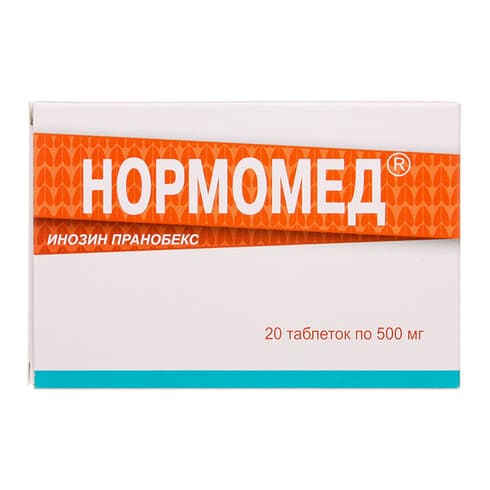
Suppliers
Vendors carrying Inosine pranobex, with live product details and codes. Links are affiliate links that support the wiki at no cost to you.
RUPharma🌐
Inosine pranobex
Research
- 2016first citedInosine pranobex is safe and effective for the treatment of subjects with confirmed acute respi…
- 2026most recentInosine pranobex as a treatment of SARS-CoV2?
- 1.Inosine pranobex is safe and effective for the treatment of subjects with confirmed acute respiratory viral infections: analysis and subgroup analysis from a Phase 4, randomised, placebo-controlled, double-blind study.
- 2.Inosine Pranobex: A Key Player in the Game Against a Wide Range of Viral Infections and Non-Infectious Diseases.
- 3.A Review on Inosine Pranobex Immunotherapy for Cervical HPV-Positive Patients.
- 4.Inosine Pranobex Deserves Attention as a Potential Immunomodulator to Achieve Early Alteration of the COVID-19 Disease Course.
- 5.Genotoxicity and Mutagenicity of Inosine Pranobex.
- 6.Inosine pranobex as a treatment of SARS-CoV2?
6 listed here; entry last updated August 2026
Reviews
My notesprivate to this device
Notes and cautions
- No retraction or expression of concern was found, but a 2026 International Journal of Infectious Diseases editorial explicitly questions its use against SARS-CoV-2, and the pivotal Phase 4 trial missed its primary endpoint, so efficacy claims are unproven (PMID 41933696, PMID 27821093).
- The specific hazard is uric acid: inosine is metabolised to urate, so the drug is contraindicated in gout, hyperuricaemia, urolithiasis and significant renal impairment, with urate monitoring on courses beyond a few weeks.
- There is no boxed warning because the drug is not FDA-approved; nausea, epigastric discomfort and reversible transaminase elevation are the common adverse effects.