
spec sheet12 rows
Raloxifene is a benzothiophene selective estrogen receptor modulator (SERM) that binds both estrogen receptor subtypes with high affinity yet behaves as an agonist in some tissues and an antagonist in others. The molecular basis for this tissue selectivity is elegant: the bound ligand imposes a distinct conformation on the receptor that governs which coactivator or corepressor proteins are recruited at a given gene promoter, so the same drug preserves bone density and improves the lipid profile while blocking estrogen's proliferative signal in breast and endometrial tissue. Clinically it is used to prevent and treat postmenopausal osteoporosis and to lower the risk of invasive breast cancer in higher-risk women, a dual profile supported by the MORE, CORE, RUTH, and STAR trials. Because it does not stimulate the uterus, raloxifene carries a more favorable endometrial safety profile than tamoxifen, though it shares an increased risk of venous thromboembolism.
- Keeps bone strong after menopause
- Cuts spinal fracture risk
- Blocks estrogen's growth signal in breast tissue
- Estrogen-like in bone, an antagonist in breast
- Nudges LDL cholesterol down as well
- Leaves the uterus unstimulated
- Leg cramps or muscle aches
- Increased risk of venous blood clots
Overview
Raloxifene is a nonsteroidal compound classified as a selective estrogen receptor modulator, meaning that it binds estrogen receptors yet produces estrogen-like effects in certain tissues and estrogen-blocking effects in others [1][3]. Structurally it belongs to the benzothiophene family, which sets it apart from the triphenylethylene SERMs such as tamoxifen [3]. Because its actions depend on the balance of estrogen receptor subtypes present in a given tissue, its overall profile is described as tissue-selective [2].
Raloxifene was first approved in the United States in the late 1990s for the prevention of postmenopausal osteoporosis, and its indication was later broadened to treatment of the condition and, in 2007, to reduction of invasive breast cancer risk in postmenopausal women at higher risk [2][4]. It is now marketed as a generic medicine in many countries and is taken by mouth [1].
Clinically, raloxifene is used to maintain bone mineral density and reduce the risk of vertebral fractures in postmenopausal women, and as a chemopreventive option against estrogen-receptor-positive breast cancer [2][4]. Reviews note beneficial effects on serum lipids and a favorable endometrial safety profile compared with some other SERMs, while also highlighting an increased risk of venous blood clots as a recognized concern [2][3]. It has been compared with tamoxifen and other agents in the setting of breast cancer prevention [4].
Raloxifene is a prescription-only medication supplied as oral tablets [1][2]. Its low oral bioavailability and its clearance mainly through glucuronide conjugation distinguish its pharmacokinetics from those of the triphenylethylene SERMs [1].
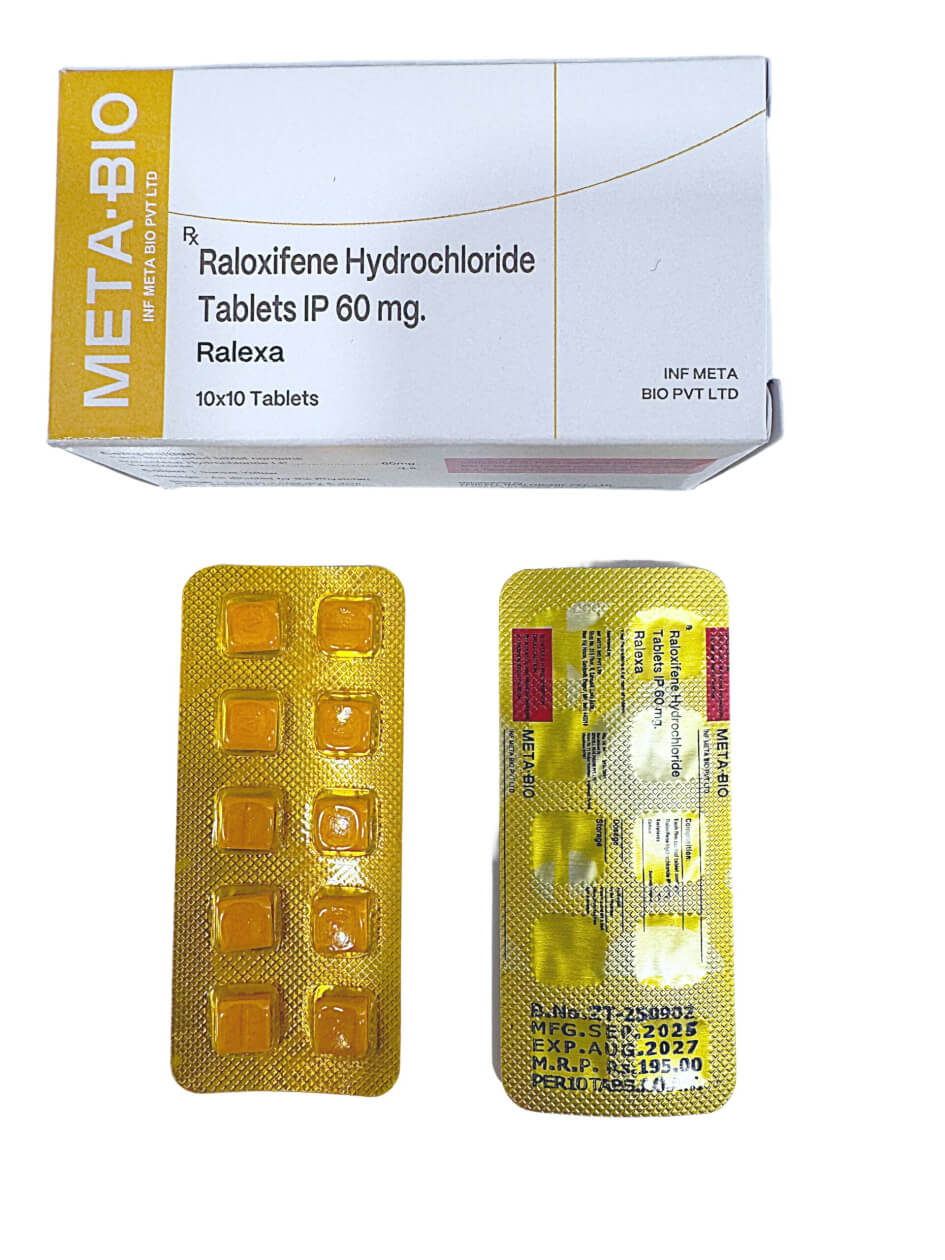
- Raloxifene began life as a breast cancer drug called keoxifene that underwhelmed in that role, and it was salvaged after researchers noticed it protected bone.
- The same molecule behaves as an estrogen mimic in bone yet as an estrogen blocker in breast tissue, a selectivity that arises from the distinct shape it imposes on the estrogen receptor and the coactivator or corepressor proteins recruited as a result.
- In the STAR trial it was compared head-to-head with tamoxifen for breast cancer risk reduction in postmenopausal women.
Mechanism
Raloxifene binds to receptors and, depending on the tissue, recruits either coactivator or corepressor proteins; this produces estrogen-like signaling in bone and liver but estrogen-opposing signaling in breast and uterine tissue [2][3]. In bone the estrogenic action helps slow the breakdown of mineral by bone-resorbing cells, supporting bone density, whereas in breast tissue the antiestrogenic action underlies its use in lowering breast cancer risk [2][4]. The compound is highly bound to plasma proteins and is cleared largely through glucuronide conjugation rather than by the cytochrome enzymes that handle some related drugs [1].
receptor fingerprint
receptor in boneagonist
receptor in breastantagonist
Osteoclast bone resorptioninhibits
receptor in uterusantagonist
Hepatic lipid handlingmodulates
Dosingtypical ranges, not medical advice
interested in protocols and clinical dosages? make an account to see them! ^_^
Safetyrisks and cautions, not medical advice
Raloxifene is prescription only and carries a boxed warning for blood clots and stroke. It raises the risk of deep vein thrombosis and pulmonary embolism and can increase the chance of fatal stroke in women who already have or are at high risk for heart disease, so it is stopped before long periods of immobility such as surgery. Common effects are hot flashes, leg cramps, flu like symptoms and ankle swelling. It does not treat menopausal hot flashes and may worsen them. It must not be used in pregnancy or in anyone with a history of clots, and it should be spaced apart from cholestyramine, which blocks its absorption.
Interactionsdocumented pairs only, not exhaustive
Raloxifene is a selective estrogen receptor modulator that also acts as an inhibitor of aldehyde oxidase. It significantly reduces the metabolism of 6-mercaptopurine, a thiopurine immunosuppressant and anticancer drug, by inhibiting aldehyde oxidase-catalyzed oxidation; in vitro studies show 60-70% inhibition of 6-thioxanthine production when raloxifene is present [19]. This is a pharmacokinetic interaction where raloxifene impairs the inactivation of thiopurines, potentially increasing their exposure and toxicity.
The interaction is directional; raloxifene affects 6-mercaptopurine metabolism more than 6-mercaptopurine affects raloxifene. Raloxifene is also a substrate of CYP3A4 and P-glycoprotein; inhibitors of these pathways (such as ketoconazole or naringin from grapefruit) can increase raloxifene bioavailability [20]. Interactions with other aldehyde oxidase substrates (such as methotrexate or some antimalarials) are plausible but have not been formally studied in humans. The clinical relevance of the 6-mercaptopurine interaction in typical osteoporosis patients (who rarely receive thiopurines) remains uncertain.
Checking a whole stack? Run it through interactions + stacks.
History
Raloxifene was developed by the American pharmaceutical company Eli Lilly, where it was originally investigated in the 1980s as an antiestrogen for breast cancer under the name keoxifene. Early breast cancer results were unremarkable, but researchers observed that the benzothiophene compound preserved bone density in laboratory models, prompting a strategic redirection toward osteoporosis. This repurposing culminated in approval by the United States Food and Drug Administration in 1997, when it was marketed as Evista for the prevention and treatment of postmenopausal osteoporosis.
A series of major randomized trials, notably MORE, CORE, and RUTH, established both its skeletal benefits and its ability to reduce the risk of invasive estrogen-receptor-positive breast cancer, and in 2007 the STAR trial supported a breast cancer risk-reduction indication. Raloxifene thus became a defining example of the selective estrogen receptor modulator class, prized for acting as an estrogen agonist in bone while opposing estrogen in breast and uterine tissue.
Reputation
Raloxifene holds a respected place in both bone health and preventive oncology, admired for the elegance of its tissue-selective pharmacology. Clinicians value it for slowing postmenopausal bone loss and reducing vertebral fracture risk while, at the same time, lowering the incidence of invasive breast cancer in higher-risk women, a genuinely dual benefit documented across the MORE, CORE, RUTH, and STAR trials.
Because it does not stimulate the endometrium, it carries a more favorable uterine safety profile than tamoxifen, which makes it attractive for long-term use. Many patients and physicians appreciate that a single drug can address two important concerns of the postmenopausal years. In fairness, its protection is strongest against vertebral rather than hip fractures, and it shares with estrogen an increased risk of venous thromboembolism, so its use is individualized; even so, its combination of bone and breast benefits keeps it a valued option.
Subjective profileweighing the evidence above
A genuinely good deal for the right person: one tablet that protects postmenopausal bone, cuts spinal fracture risk and lowers invasive breast cancer risk. It carries a boxed warning for blood clots and stroke, and it does not help hot flashes and may worsen them, so it is a considered prescription choice.
Where to buy
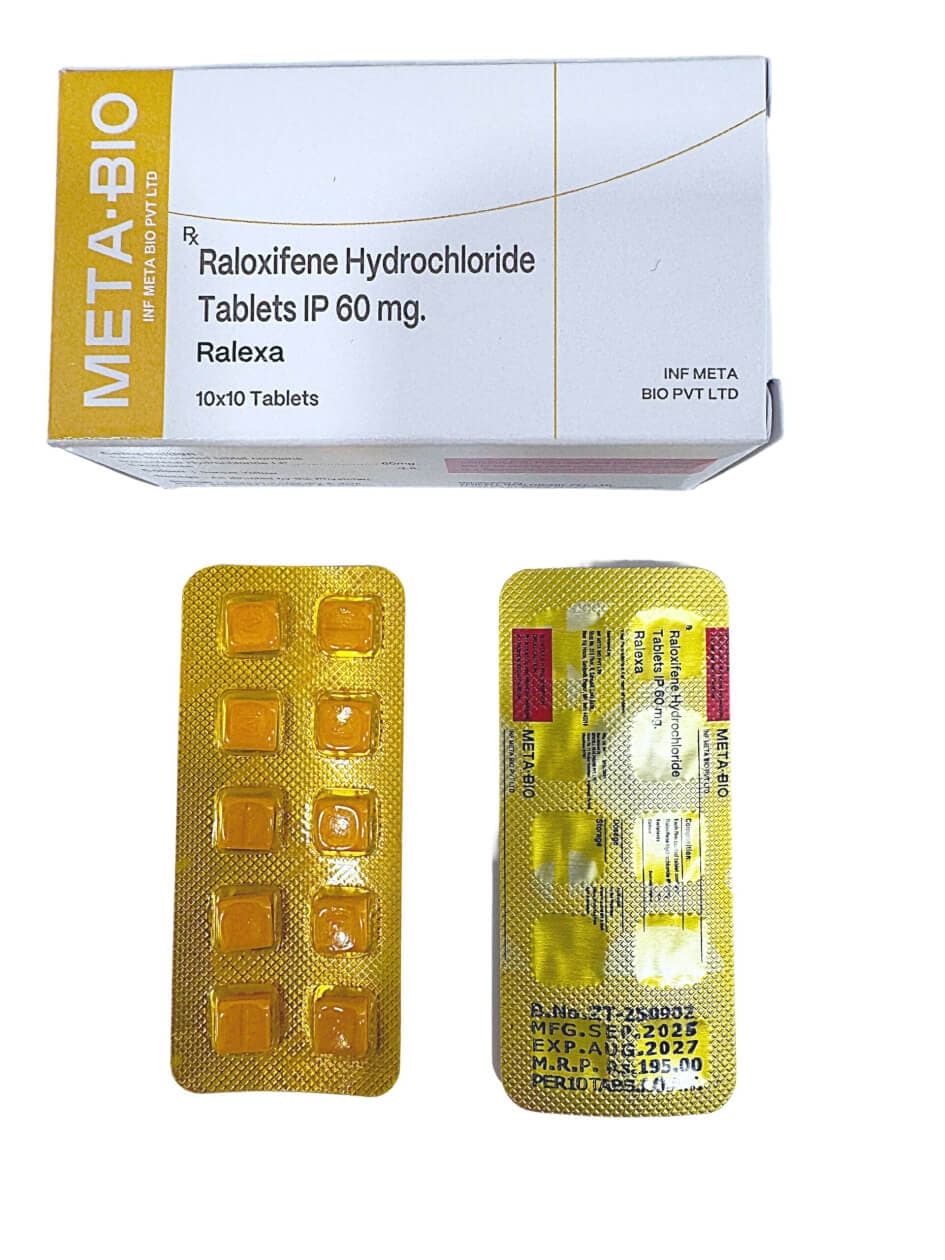
Suppliers
Vendors carrying Raloxifene, with live product details and codes. Links are affiliate links that support the wiki at no cost to you.
PCT.Zone
Raloxifene
Research
- 1998first citedRaloxifene (drug review of selective estrogen receptor modulator pharmacology and clinical tria…
- 2001most active year4 papers
- 2025most recentEvaluation of the Effect of Aldehyde Oxidase Inhibitors on 6-Mercaptopurine Metabolism.
- 1.Pharmacokinetics of selective estrogen receptor modulators
- 2.Update on raloxifene: mechanism of action, clinical efficacy, adverse effects, and contraindications
- 3.A pharmacological review of selective oestrogen receptor modulators
- 4.Selective estrogen-receptor modulators for primary prevention of breast cancer
- 5.Selective estrogen receptor modulators: mechanism of action and clinical experience. Focus on raloxifene.
- 6.Mechanism of action and preclinical profile of raloxifene, a selective estrogen receptor modulation.
- 7.Mechanism of action of estrogens and selective estrogen receptor modulators.
- 8.An estrogen receptor basis for raloxifene action in bone.
- 9.Selective estrogen receptor modulators: tissue selectivity and differential uterine effects.
- 10.Selective estrogen receptor modulators (SERMs): mechanisms of anticarcinogenesis and drug resistance.
- 11.Cardiovascular effects of raloxifene hydrochloride.
- 12.Selective estrogen receptor modulators: tissue actions and potential for CNS protection.
20 listed here; entry last updated August 2026
Reviews
My notesprivate to this device
FAQ
How is raloxifene different from estrogen therapy?
It acts like estrogen in bone but blocks it in the breast and barely touches the uterus, so it builds bone without the breast and uterine stimulation of estrogen.
Does it help menopausal hot flashes?
No; it does not relieve hot flashes and can actually make them worse, so it is not used for that.
Who should avoid it?
Anyone with a history of blood clots or high stroke risk, and it is stopped before surgery or long periods of bed rest.
Can it prevent breast cancer?
In postmenopausal women it lowers the risk of invasive breast cancer, though it is not a treatment for existing cancer.
Why is it used in men for gynecomastia?
Because it blocks estrogen in breast tissue, it can reduce estrogen driven breast growth, though this is an off label use.
Adverse effects
- Leg cramps or muscle aches
- Increased risk of venous blood clots
Notes and cautions
- Hot flashes and other vasomotor symptoms
- Flu-like symptoms or joint discomfort