
spec sheet13 rows
Clomifene citrate is a nonsteroidal selective estrogen receptor modulator marketed since the late 1960s under names such as Clomid and Serophene, and it remains a widely used oral agent for inducing ovulation in anovulatory women, including many with polycystic ovary syndrome. It acts principally at the hypothalamus, where blocking estrogen negative feedback increases pulsatile gonadotropin-releasing hormone and pituitary output of LH and FSH, thereby stimulating follicular development. The marketed drug is a mixture of two isomers with opposing properties; the estrogenic zuclomiphene clears slowly and can accumulate across cycles, whereas the antiestrogenic enclomiphene drives most of the ovulation-inducing effect. In the head-to-head PPCOS II trial the aromatase inhibitor letrozole produced higher live-birth rates than clomifene in PCOS, refining its place in fertility therapy. It is also used off-label in men to raise endogenous testosterone and during recovery after anabolic steroid use, and it appears on the World Health Organization list of essential medicines.
- Fifty years of use inducing ovulation for fertility
- First line oral option in PCOS related infertility
- Raises natural testosterone in men without replacing hormones
- The classic restart after a steroid cycle
- Simple short oral courses; no injections needed
- On the World Health Organization essential medicines list
- Uncommon but serious ovarian hyperstimulation syndrome
- Mood changes, headache or nausea
Overview
Clomifene, sold as its citrate salt clomifene citrate, is a nonsteroidal selective estrogen receptor modulator, a class of drugs that behave as estrogen blockers in some tissues and estrogen mimics in others [1]. The commercial product is not a single molecule but a mixture of two geometric isomers, enclomifene and zuclomifene, which have distinct profiles; enclomifene, the larger fraction, is the more antiestrogenic and pro-fertility component, while zuclomifene is more estrogen-like and clears from the body more slowly [1]. Taken orally, the drug is well absorbed and undergoes liver metabolism through the enzyme CYP2D6, with traces detectable for weeks after a course ends [1].
The compound was first synthesised in 1956 by a team led by Frank Palopoli at the William S. Merrell Chemical Company, and after clinical development it was approved in the United States in 1967 under the brand name Clomid [1]. Its arrival is widely regarded as a milestone that helped open the modern era of fertility treatment, and it has since been marketed under dozens of trade names worldwide, including Serophene [1][3].
The main licensed use of clomifene is ovulation induction: in women who ovulate infrequently or not at all, a course taken early in the menstrual cycle prompts the ovaries to mature and release an egg, and it is a common first-line option in polycystic ovary syndrome [1][3]. Beyond fertility, the drug is used off-label in men with secondary hypogonadism, where it can substantially raise serum testosterone by increasing pituitary output of luteinising hormone and follicle-stimulating hormone while, unlike testosterone therapy, tending to preserve sperm production and fertility [1][4][5]. It has also been tried for gynecomastia, although other SERMs are generally considered more effective for that purpose [1].
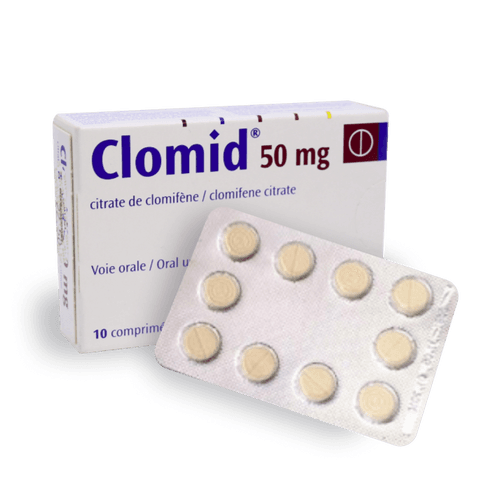
Clomifene is a prescription-only medicine in the United States, the United Kingdom and Australia, and it is included on the World Health Organization Model List of Essential Medicines [1][3]. Because it stimulates the ovaries, treatment carries a raised chance of twins and higher-order multiple pregnancy, so cycles are often monitored by ultrasound to gauge the ovarian response [1][3]. Reported adverse effects include reversible ovarian enlargement, hot flashes, pelvic discomfort and reversible visual disturbances such as blurring or light sensitivity, while ovarian hyperstimulation syndrome is an uncommon but more serious risk [1][3]. The drug is supplied as oral tablets of the citrate salt, is available as an inexpensive generic in most markets, and is prohibited in competitive sport by the World Anti-Doping Agency because of its hormone-modulating action [1].


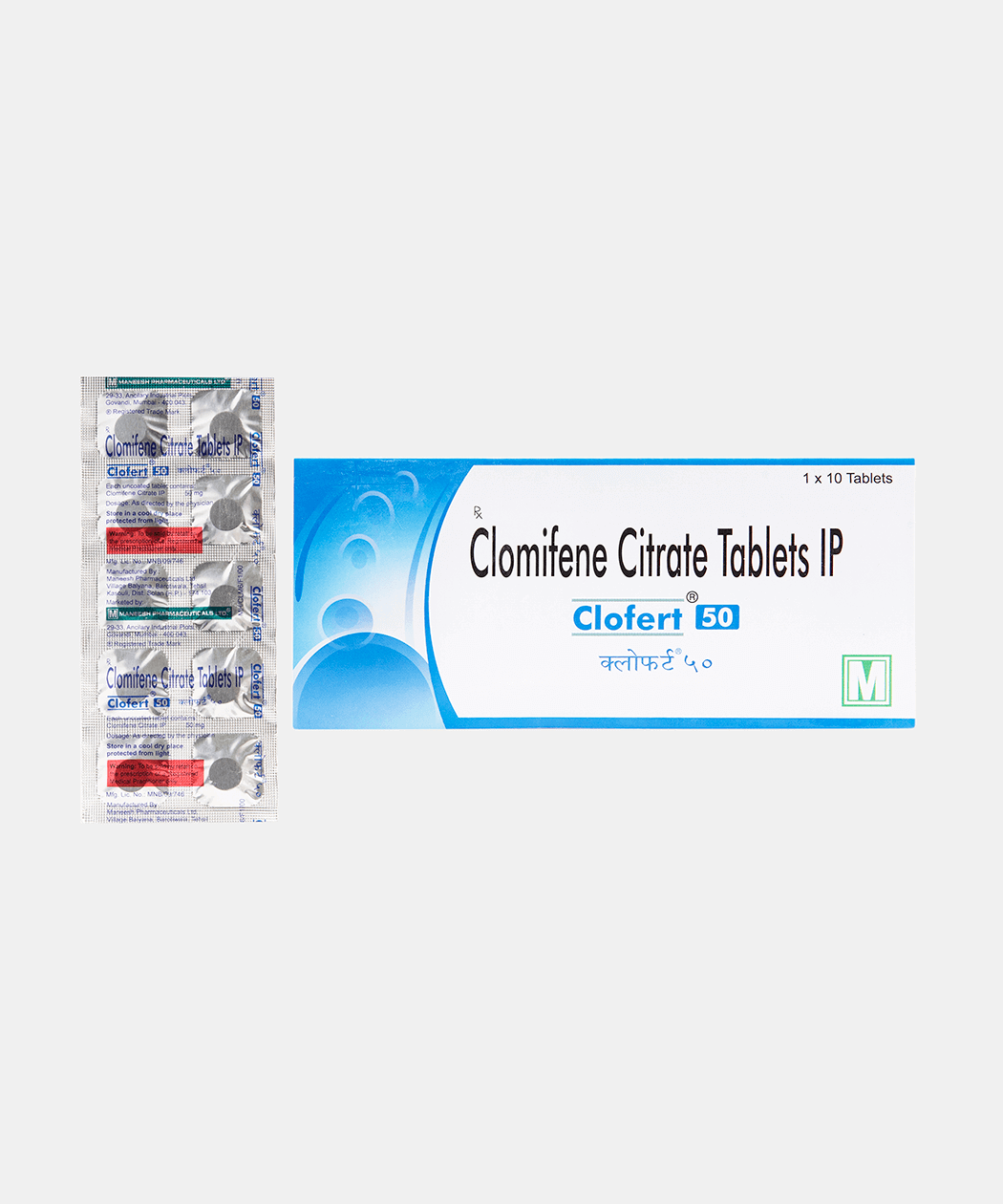
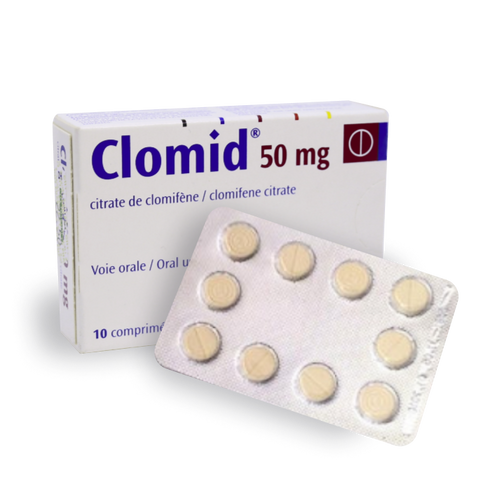
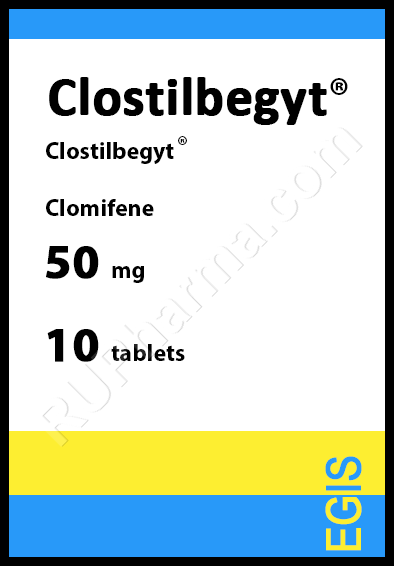
- Clomifene and the breast-cancer drug tamoxifen belong to the same triphenylethylene chemical family.
- The marketed medicine is a blend of two mirror-image isomers with opposing actions; the estrogenic zuclomifene clears so slowly it can carry over from one cycle to the next.
- Enclomifene, the antiestrogenic isomer that drives most of clomifene's ovulation-inducing effect, was later pursued on its own as a candidate testosterone therapy for men.
Mechanism
Clomifene works chiefly at the level of the , the brain region that governs reproductive hormones [1][2]. By occupying receptors there, it blocks the normal negative feedback signal that circulating estrogen sends to the brain; the reads this as a low-estrogen state and increases its pulsed release of gonadotropin-releasing hormone (GnRH) [1]. The extra GnRH drives the anterior pituitary to secrete more follicle-stimulating hormone and luteinising hormone, which in women stimulate ovarian follicles to grow and ultimately to ovulate [1][2].
The same rise in pituitary gonadotropins explains its use in men, where higher luteinising hormone prompts the testes to make more testosterone [4][5]. Because clomifene is a mixed -, its two isomers pull in slightly different directions, and its overall effect reflects the balance between the antiestrogenic enclomifene and the more estrogenic zuclomifene [1].
receptor fingerprint
receptor ()antagonist
Hypothalamic-pituitary-gonadal axisactivates
Pituitary gonadotropesactivates
Ovarian follicleactivates
Testicular Leydig cells (via LH)activates
receptor (endometrium and cervix)antagonist
Dosingtypical ranges, not medical advice
interested in protocols and clinical dosages? make an account to see them! ^_^
Safetyrisks and cautions, not medical advice
Clomifene is prescription only; its use in men and for post-cycle therapy is off-label. Common effects come from its estrogen-like and anti-estrogen actions and include hot flashes, mood swings, headaches, and breast tenderness. Visual disturbances such as blurring or flashes are an important signal to stop and call a doctor. In fertility use the main risks are multiple pregnancy, since more than one egg can release, and ovarian hyperstimulation, so cycles are monitored. It should not be used in pregnancy, active liver disease, or with unexplained abnormal bleeding, and long continuous courses are avoided.
Interactionsdocumented pairs only, not exhaustive
Clomiphene is a selective estrogen receptor modulator metabolized primarily by CYP2D6 and CYP3A4, making it susceptible to pharmacokinetic interactions with inhibitors of these enzymes [17]. A physiologically-based pharmacokinetic model confirmed that CYP2D6 polymorphisms and concomitant use of strong CYP inhibitors such as clarithromycin and paroxetine substantially increase clomiphene exposure and active metabolite levels [17]. This is a pharmacokinetic interaction where the inhibitor raises clomiphene and metabolite levels. The clinical significance of these interactions in terms of efficacy or adverse effects remains incompletely characterized in the literature.
Clomiphene interacts with multiple CYP enzyme systems. CYP2D6 poor metabolizers and patients using CYP2D6 or CYP3A4 inhibitors may experience elevated clomiphene exposure. Beyond these metabolic interactions, documented interactions with anticoagulants and other common medications have not been clearly established in published clinical studies.
Checking a whole stack? Run it through interactions + stacks.
History
Clomifene citrate was first synthesized in 1956 at the William S. Merrell Company, part of the triphenylethylene chemical series that also gave rise to the related selective estrogen receptor modulator tamoxifen. Its ability to induce ovulation was recognized soon after, with early clinical reports around 1961, and it received United States approval in 1967, entering the market under names such as Clomid and Serophene.
For decades it stood as the first-line oral agent for inducing ovulation in anovulatory women, including many with polycystic ovary syndrome, and it earned a place on the World Health Organization list of essential medicines. A pivotal refinement of its role came from the PPCOS II trial, in which the aromatase inhibitor letrozole produced higher live-birth rates than clomifene in women with PCOS. The drug was also adopted off-label in men to raise endogenous testosterone and to aid recovery after anabolic steroid use.
Reputation
Clomifene enjoys a reputation built on more than half a century of clinical experience as an inexpensive, oral, and effective ovulation inducer. It is valued for its accessibility and its long track record, qualities that kept it the default fertility treatment for anovulatory women for generations. Its standing has been refined rather than diminished by newer evidence; letrozole is now often preferred for live birth in PCOS, yet clomifene retains a firm place in fertility therapy and has expanded into off-label use for male hypogonadism and post-cycle recovery. Honestly assessed, its mixed agonist-antagonist nature can act against conception through antiestrogenic effects on the endometrium and cervical mucus, and its slowly clearing zuclomifene isomer can accumulate across cycles. These nuances are well understood and readily managed by experienced prescribers.
Subjective profileweighing the evidence above
Fifty years of use and still first-line for ovulation induction in PCOS-related infertility, which is about as good a record as an oral hormonal drug gets. Its use in men to raise natural testosterone is off-label but real. Visual disturbances mean stop and call a doctor, and ovarian hyperstimulation is the rare serious risk.
Where to buy
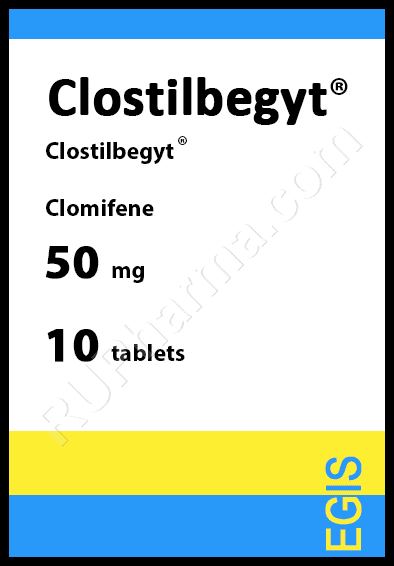

Suppliers
Vendors carrying Clomifene Citrate, with live product details and codes. Links are affiliate links that support the wiki at no cost to you.
| supplier | size | price | $/mg |
|---|---|---|---|
| PCT.Zonelowest | 100MG | $1.98 | $0.020/mg |
| PCT.Zonelowest | 100MG | $1.98 | $0.020/mg |
| PCT.Zone | 50MG | $2.40 | $0.048/mg |

PCT.Zone
Clomifene Citrate
PCT.Zone
Clomifene Citrate

PCT.Zone
Clomifene Citrate
RUPharma🌐
Clomifene Citrate
RUPharma🌐
Clomifene Citrate
Research
- 1996first citedDevelopment, pharmacology and clinical experience with clomiphene citrate.
- 2014most active year3 papers
- 2022meta-analysisMultiple pregnancy rate in patients undergoing treatment with clomifene citrate for WHO group I…
- 2026most recentClomiphene Citrate in off-Label Post-Cycle Therapy: Mechanisms, Efficacy and Diagnostic Challen…
- 1.Multiple pregnancy rate in patients undergoing treatment with clomifene citrate for WHO group II ovulatory disorders: a systematic review.
- 2.Development, pharmacology and clinical experience with clomiphene citrate.
- 3.Use of clomiphene citrate in infertile women: a committee opinion.
- 4.Enclomiphene citrate for the treatment of secondary male hypogonadism.
- 5.Alternative treatment modalities for the hypogonadal patient.
- 6.Letrozole versus clomiphene for infertility in the polycystic ovary syndrome.
- 7.The Pregnancy in Polycystic Ovary Syndrome II (PPCOS II) trial: rationale and design of a double-blind randomized trial of clomiphene citrate and letrozole for the treatment of infertility in women with polycystic ovary syndrome.
- 8.Ovulation induction.
- 9.Serum concentrations of enclomiphene and zuclomiphene across consecutive cycles of clomiphene citrate therapy in anovulatory infertile women.
- 10.Differential effects of isomers of clomiphene citrate on reproductive tissues in male mice.
- 11.Clomiphene citrate for men with hypogonadism: a systematic review and meta-analysis.
- 12.Clomiphene Citrate for the Treatment of Hypogonadism.
17 listed here; entry last updated August 2026
Reviews
My notesprivate to this device
FAQ
How does it help me get pregnant?
It prompts your brain to release more of the hormones that mature and release an egg, which is especially useful when ovulation is irregular.
Why do men take it?
It raises the body's own testosterone by stimulating the testes, so it is used off-label for low testosterone and to recover after steroid or testosterone use.
Can it cause twins?
Yes; because it can release more than one egg, the chance of twins is higher than with natural conception, though still a minority of pregnancies.
What should I do about vision changes?
Stop and contact your doctor; blurring or flashing lights can occur and should be checked before continuing.
How long can I stay on it?
It is used in short, monitored courses rather than continuously, since prolonged use adds risk without added benefit.
Adverse effects
- Uncommon but serious ovarian hyperstimulation syndrome
- Mood changes, headache or nausea
Notes and cautions
- Hot flashes and sensations of warmth
- Reversible ovarian enlargement, pelvic discomfort or bloating
- Reversible visual disturbances such as blurring, floaters or light sensitivity
- Increased chance of twins or higher-order multiple pregnancy