
spec sheet11 rows
Phosphatidylcholine is a class of phospholipids that form a major part of the membranes surrounding living cells and are the principal component of lecithin. Each molecule is built from a glycerol backbone, two fatty acids, and a phosphate group linked to choline, and the compound is abundant in foods such as egg yolk and soybeans. Beyond its structural role, phosphatidylcholine is the body's main store of the essential nutrient choline and has been studied as a dietary supplement and in conditions ranging from liver disease to ulcerative colitis.
- the body's main storage form of the essential nutrient choline
- builds the membranes every living cell depends on
- supports the way the liver handles fat
- food derived and gentle; think egg yolk and lecithin
- an easy daily base for keeping choline status topped up
- Oral supplements can cause gastrointestinal effects such as bloating, nausea, diarrhea, or increased salivation
- Gut bacteria can convert choline-containing compounds into trimethylamine, which is further metabolized to TMAO, a substance linked in studies to cardiovascular risk
- Injectable fat-dissolving preparations can cause pain, swelling, bruising, and lumps at the injection site and are not a proven substitute for surgery
Overview
Phosphatidylcholine is a glycerophospholipid, meaning a molecule built on a glycerol backbone carrying two fatty acids and a phosphate group that is capped by the nutrient choline [1]. It is a principal structural lipid of the membranes that enclose plant and animal cells, where it is concentrated in the outer layer of the bilayer, and it is the main phospholipid making up lecithin [1][2]. A particular form rich in two saturated fatty acids, dipalmitoyl phosphatidylcholine, is the key surface-active lipid of the surfactant that keeps the lungs open [2].
Phosphatidylcholine is readily obtained from egg yolk, soybeans, and sunflower, the sources of commercial lecithin, and it has long been familiar to chemistry; the French chemist Theodore Gobley isolated lecithin from egg yolk in the nineteenth century and named it from the Greek word for egg yolk [1].
Biologically, phosphatidylcholine is the body's largest reservoir of choline, and together with sphingomyelin it holds the great majority of the body's choline [2]. From this pool choline can be drawn to make the neurotransmitter acetylcholine and, by way of betaine, to supply methyl groups for many methylation reactions [1]. Phosphatidylcholine is also required in the liver to assemble and secrete very-low-density lipoprotein, which is why a shortage of choline or phosphatidylcholine leads to fat accumulation in the liver [1][2]. It is a major constituent of bile and is synthesized by two routes: the CDP-choline pathway found in most tissues and a second pathway in the liver that methylates phosphatidylethanolamine [1].
Its uses and research span nutrition and medicine. As a source of choline it is taken as a dietary supplement, and choline deficiency is a recognized contributor to the liver disease that can accompany long-term intravenous (parenteral) nutrition, prompting study of choline and phosphatidylcholine supplementation [2]. In ulcerative colitis, delayed-release phosphatidylcholine improved disease activity in randomized trials, an effect attributed to restoring the protective phospholipid layer of the intestinal mucus [3]. Circulating phosphatidylcholine and related choline metabolites have been linked in genetic studies to a range of health outcomes [4], while evidence for some popular uses, such as dementia, is considered insufficient, and its use in injectable fat-dissolving procedures is not an established substitute for surgery. Lecithin and phosphatidylcholine are generally handled as food ingredients and supplements rather than as licensed drugs [4].

Mechanism
As an amphipathic phospholipid, phosphatidylcholine spontaneously assembles into the lipid bilayer that forms cell membranes, providing structure and a platform for membrane proteins and signaling, and it is concentrated in the outer leaflet of the membrane [1]. It serves as the body's chief reservoir of , which can be released to synthesize the neurotransmitter and, through its conversion to betaine, to donate methyl groups for methylation reactions [1].
In the liver, phosphatidylcholine is essential for packaging and exporting very-low-density lipoprotein, so a lack of or phosphatidylcholine causes fat to accumulate and produces a fatty liver [1][2]. In the gut, the mucus layer that shields the intestinal lining is normally rich in phosphatidylcholine, and the rationale for using it in ulcerative colitis is that replenishing this phospholipid barrier calms the underlying inflammation [3].
receptor fingerprint
Cell membrane phospholipidsstructural component
synthesissupplies choline
Liver fat metabolismsupports
CDP- pathwaysubstrate
Dosingtypical ranges, not medical advice
interested in protocols and clinical dosages? make an account to see them! ^_^
Safetyrisks and cautions, not medical advice
Very safe for most people, with occasional GI upset, sweating, or a fishy body odor at high doses from choline metabolism. High choline intake has been discussed in relation to TMAO and cardiovascular markers, though the practical significance is debated. No major interactions at normal doses.
Subjective profileweighing the evidence above
Good general membrane and choline support, but a gentle one. For acute nootropic effect the more refined choline sources beat it.
Where to buy
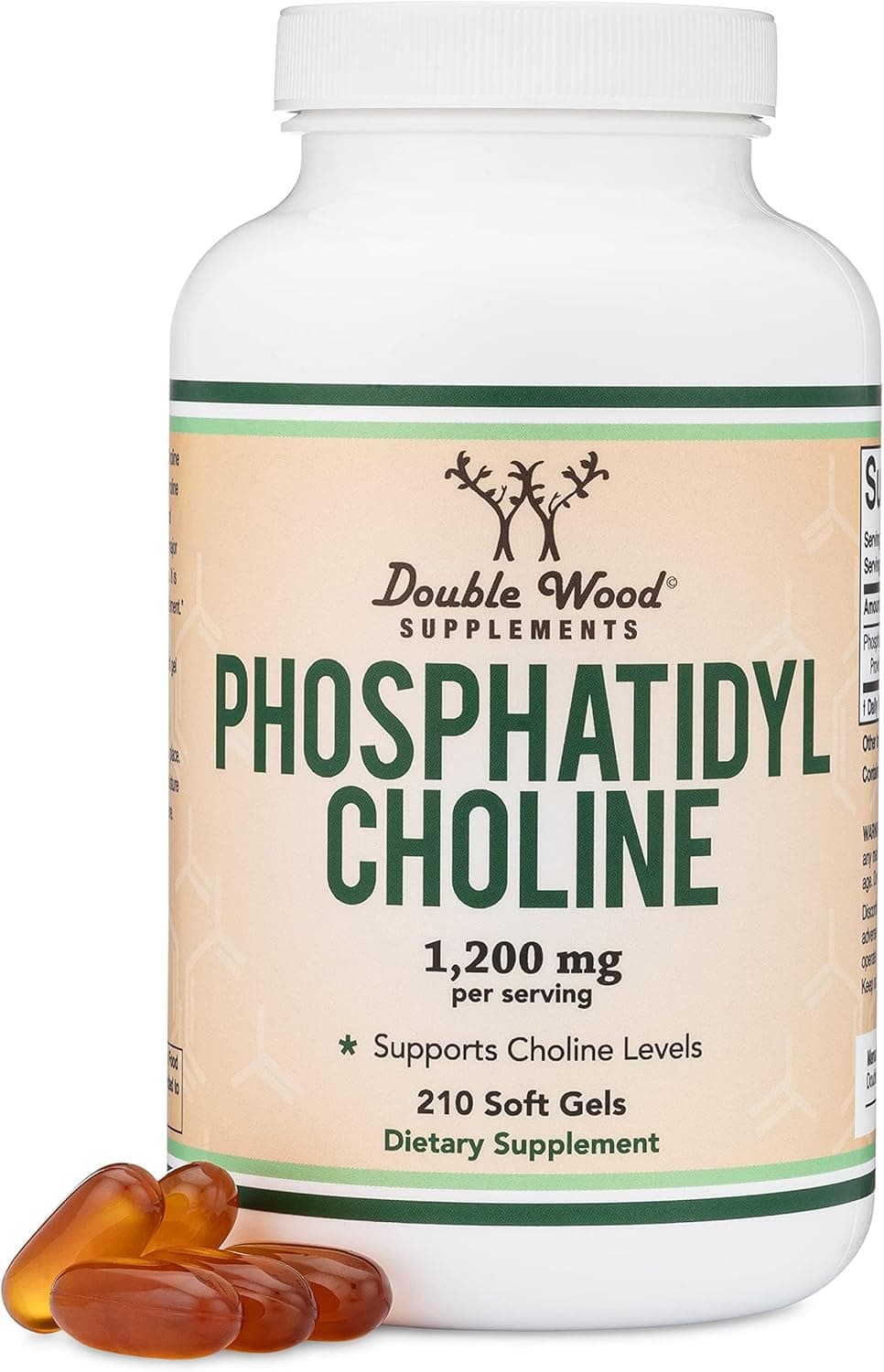
Suppliers
Vendors carrying Phosphatidylcholine, with live product details and codes. Links are affiliate links that support the wiki at no cost to you.
Amazon
Phosphatidylcholine
Research
- 1992first citedCholine: an important nutrient in brain development, liver function and carcinogenesis.
- 2005controlled trialRetarded release phosphatidylcholine benefits patients with chronic active ulcerative colitis.
- 2024most recentEvidence and Perspectives for Choline Supplementation during Parenteral Nutrition: A Narrative…
- 1.Choline: an important nutrient in brain development, liver function and carcinogenesis.
- 2.Evidence and Perspectives for Choline Supplementation during Parenteral Nutrition: A Narrative Review.
- 3.Retarded release phosphatidylcholine benefits patients with chronic active ulcerative colitis.
- 4.The Relationship of Circulating Choline and Choline-Related Metabolite Levels with Health Outcomes: A Scoping Review of Genome-Wide Association Studies and Mendelian Randomization Studies.
4 listed here; entry last updated August 2026
Reviews
My notesprivate to this device
FAQ
Is phosphatidylcholine the same as lecithin?
Lecithin is a mix of phospholipids; phosphatidylcholine is the main and most active fraction within it.
Is it a good nootropic?
It supports choline status and membranes, but for a noticeable cognitive effect Alpha-GPC or citicoline are more efficient.
Does it help the liver?
It plays a role in fat export from the liver and has been studied for liver support.
Why the fishy smell?
High choline intake can produce trimethylamine, which some people metabolize poorly, causing odor.
Can I take it daily?
Yes, it is a normal dietary component and generally safe for ongoing use.
Limitations of the evidence
- Evidence for several popular supplement uses, such as dementia, is limited
Adverse effects
- Oral supplements can cause gastrointestinal effects such as bloating, nausea, diarrhea, or increased salivation
- Gut bacteria can convert choline-containing compounds into trimethylamine, which is further metabolized to TMAO, a substance linked in studies to cardiovascular risk
- Injectable fat-dissolving preparations can cause pain, swelling, bruising, and lumps at the injection site and are not a proven substitute for surgery
Notes and cautions
- As a normal component of food and cell membranes, phosphatidylcholine and lecithin are generally recognized as safe