
data + articles · 4 listed
newest 2026spec sheet14 rows
Choline is an essential nutrient that the body needs for building cell membranes, making the neurotransmitter acetylcholine, and supplying methyl groups used in metabolism [1][2]. Chemically it is a small water-soluble molecule, a quaternary ammonium compound, found in foods such as eggs, liver, meat, fish, and soybeans [1][2]. The body can make a little choline in the liver, but most people must obtain it from the diet, and it was formally recognized as an essential nutrient in 1998 [1][2]. Adequate choline is especially important during pregnancy for fetal brain development [3].
- an essential nutrient most people under eat
- the direct precursor to acetylcholine
- fuels memory and focus at the source
- builds the membranes every cell depends on
- acts as a methyl donor in metabolism
- the sensible base under any cholinergic stack
- Excess may cause low blood pressure, sweating, or diarrhea
Overview
Choline is a water-soluble nutrient classed chemically as a quaternary ammonium cation, essentially an ethanolamine molecule carrying three methyl groups on its nitrogen atom [1]. It is often grouped informally with the B vitamins because of its similar roles, but it is not officially a vitamin [1]. In foods and supplements it appears both free and bound within larger molecules, and it is sold as salts such as choline chloride and choline bitartrate [1].
Choline supports several vital processes in the body [1][2]. It is a building block for phospholipids, above all phosphatidylcholine, which makes up a large share of the membranes that surround every cell [1]. It is also the raw material for acetylcholine, a neurotransmitter central to muscle movement, memory, and other nervous-system functions [1]. In addition, choline can be converted to betaine, which serves as a methyl donor in the one-carbon metabolism that recycles the amino acid homocysteine into methionine and supports the methylation reactions that regulate gene activity [1][2]. Through these overlapping roles it is important for the liver, muscle, and brain [3].
The body can produce a limited amount of choline in the liver through a pathway that builds phosphatidylcholine, but this internal supply is usually not enough, so choline is considered a required part of the diet [1][3]. Rich food sources include egg yolks, liver and other organ meats, meat and fish, soybeans, and dairy products [2]. The United States Institute of Medicine officially recognized choline as an essential nutrient in 1998 and set adequate intake values, while noting that a large share of the population, including many pregnant women, consumes less than the recommended amount [2][3]. Individual requirements vary considerably, partly because of common genetic differences in the genes that handle choline and related nutrients [2][4].
When intake is too low, choline deficiency can develop, and its recognized consequences include fatty infiltration and damage of the liver, seen as nonalcoholic fatty liver disease, along with muscle damage [1][2]. Demand rises sharply during pregnancy and breastfeeding, when choline is drawn on heavily for the developing nervous system; the fluid surrounding the fetus carries far higher choline levels than the mother's blood, and expert bodies have emphasized adequate maternal choline for brain development in the critical early period of life [3]. A separate line of research links choline to cardiovascular health through the gut bacteria that convert some dietary choline into a compound called trimethylamine, which the liver turns into trimethylamine N-oxide, a metabolite associated with heart disease [4].
Choline is available as a dietary supplement and food ingredient, in forms such as choline bitartrate and choline chloride, and related compounds like phosphatidylcholine and CDP-choline are also sold [1]. Ordinary dietary amounts are safe, and a tolerable upper intake level has been set to guard against excess [1]. Consuming very large amounts can cause low blood pressure, sweating, diarrhea, and a fishy body odor that comes from trimethylamine produced when the body processes surplus choline [1].

Mechanism
contributes to the body through three main biochemical routes [1][2]. First, it is incorporated into phospholipids, chiefly phosphatidylcholine, that form and repair the membranes enclosing cells and their internal compartments [1]. Second, in nerve cells is combined with an acetyl group to form , the neurotransmitter that carries signals to muscles and takes part in memory and other brain functions [1]. Third, a portion of is oxidized to betaine, which donates a methyl group to convert homocysteine into methionine; methionine in turn feeds the production of S-adenosylmethionine, the cell's main methyl donor for modifying DNA, proteins, and other molecules [1][2]. Because of this last role, works closely with folate and other one-carbon nutrients, and a shortfall in one can raise the need for another [2][4].
receptor fingerprint
precursor
Phosphatidylcholinebuilds
Betaine (methyl donor)converts to
Dosingtypical ranges, not medical advice
interested in protocols and clinical dosages? make an account to see them! ^_^
Safetyrisks and cautions, not medical advice
Choline is an essential nutrient with a lot of headroom; the upper limit sits at 3,500 mg a day for adults. Push past that and you can get low blood pressure, sweating, a fishy body odor (gut bacteria turn the excess into TMA/TMAO), nausea, vomiting, and heavy salivation. Go careful if you already run low blood pressure, since choline can drop it further through cholinergic action. Very high intake may also raise circulating TMAO, which some population studies tie to heart risk, though that link is still argued over.
Interactionsdocumented pairs only, not exhaustive
Choline has thin formal interaction literature; most of what is known comes from metabolic studies rather than controlled trials, so much of what follows is mechanistic.
Because choline is the substrate for acetylcholine synthesis, an additive cholinergic load alongside acetylcholinesterase inhibitors such as donepezil is plausible, with nausea, sweating and loose stools the expected expression, though controlled work has not shown it. In the other direction, antimuscarinic drugs such as oxybutynin or scopolamine block the receptor itself, so extra substrate does not restore what they suppress.
Methotrexate disturbs folate metabolism, and folate, methionine and choline pathways converge on the same methyl supply. In rats, methotrexate depletes hepatic phosphocholine, glycerophosphocholine and betaine and deepens the fatty infiltration seen in choline deficiency. The human relevance is inferred, not established.
Gut bacteria convert dietary choline to trimethylamine, which the liver oxidizes to TMAO. Broad spectrum antibiotics suppress that conversion almost completely in humans, a genuine and reproducible interaction, though its clinical meaning is still argued.
Checking a whole stack? Run it through interactions + stacks.
History
Choline was first isolated in 1862 by the German chemist Adolph Strecker, who obtained it while heating lecithin derived from bile, and it was chemically characterized and named within the following few years; the pharmacologist Oscar Liebreich separately identified a brain substance he called neurine that was later shown to be the same molecule. Its physiological importance grew through the twentieth century alongside the discovery of acetylcholine and phosphatidylcholine, and in 1998 the Food and Nutrition Board of the United States Institute of Medicine formally recognized choline as an essential nutrient and issued Adequate Intake recommendations.
Reputation
Choline enjoys broad scientific acceptance as a genuinely essential dietary nutrient and a precursor to both acetylcholine and cell-membrane phospholipids, and public-health researchers increasingly note that many people consume less than the recommended amount. Within the nootropic community it is valued mainly as a foundational cholinergic building block, often paired with racetams, though expectations are tempered by evidence that plain choline salts reach the brain less efficiently than sources such as citicoline or alpha-GPC. Its reputation is therefore that of a dependable staple rather than a potent standalone enhancer.
Subjective profileweighing the evidence above
An essential nutrient most people under-eat and the sensible base of any cholinergic stack. Eggs, liver and fish cover it if you eat them; supplement if your diet does not, and stay well under the 3,500 mg upper limit, where low blood pressure, sweating and fishy body odor start.
Where to buy
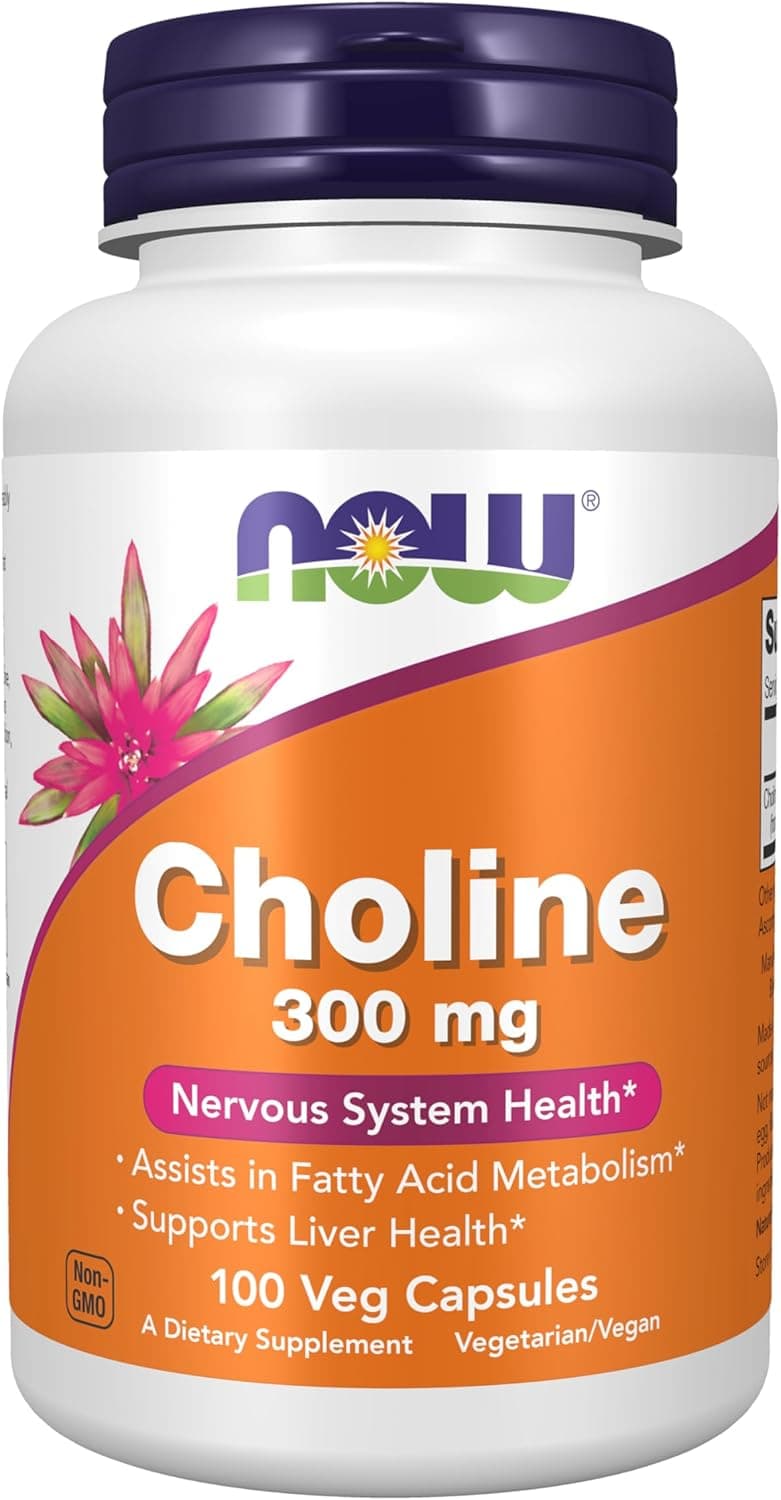
1 other outlet

Suppliers
Vendors carrying Choline, with live product details and codes. Links are affiliate links that support the wiki at no cost to you.
Amazon
Choline
iHerb
Choline
Research
- 2009first citedCholine: an essential nutrient for public health.
- 2026most recentThe role of choline in neurodevelopment.
- 1.The role of choline in neurodevelopment.
- 2.Choline: an essential nutrient for public health.
- 3.Choline: The Neurocognitive Essential Nutrient of Interest to Obstetricians and Gynecologists.
- 4.Choline metabolites: gene by diet interactions.
4 listed here; entry last updated August 2026
Reviews
My notesprivate to this device
FAQ
Why is choline essential?
The body cannot make enough on its own, and it is needed for the neurotransmitter acetylcholine and for cell membranes.
What foods contain it?
Eggs, liver, and other animal foods are rich sources, along with some plants and soy.
What does being a methyl donor mean?
Choline can contribute methyl groups used in many metabolic reactions, including DNA and homocysteine handling.
Can you get too much?
Very high intake can cause side effects like a fishy body odor, so moderation matters; this is general educational info.
Adverse effects
- Excess may cause low blood pressure, sweating, or diarrhea
Notes and cautions
- Well tolerated at normal dietary amounts
- Very high intakes can cause a fishy body odor
- A tolerable upper intake level is set for adults
- Individual needs vary with genetics and pregnancy