
spec sheet15 rows
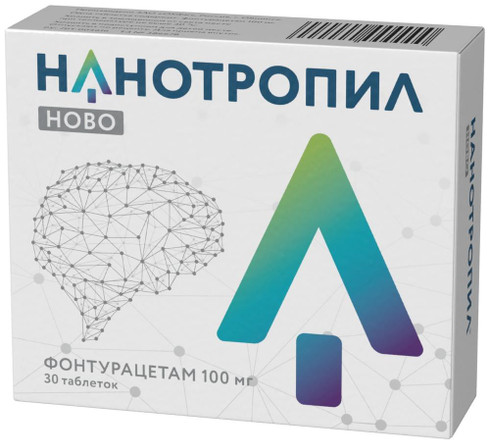
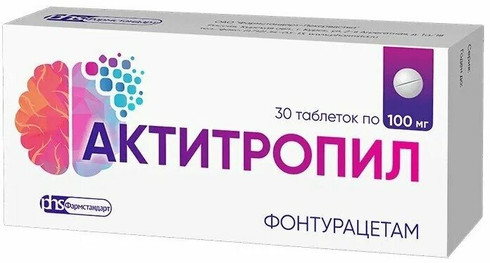
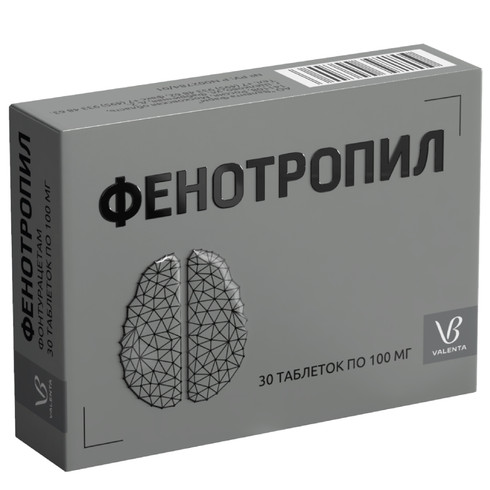
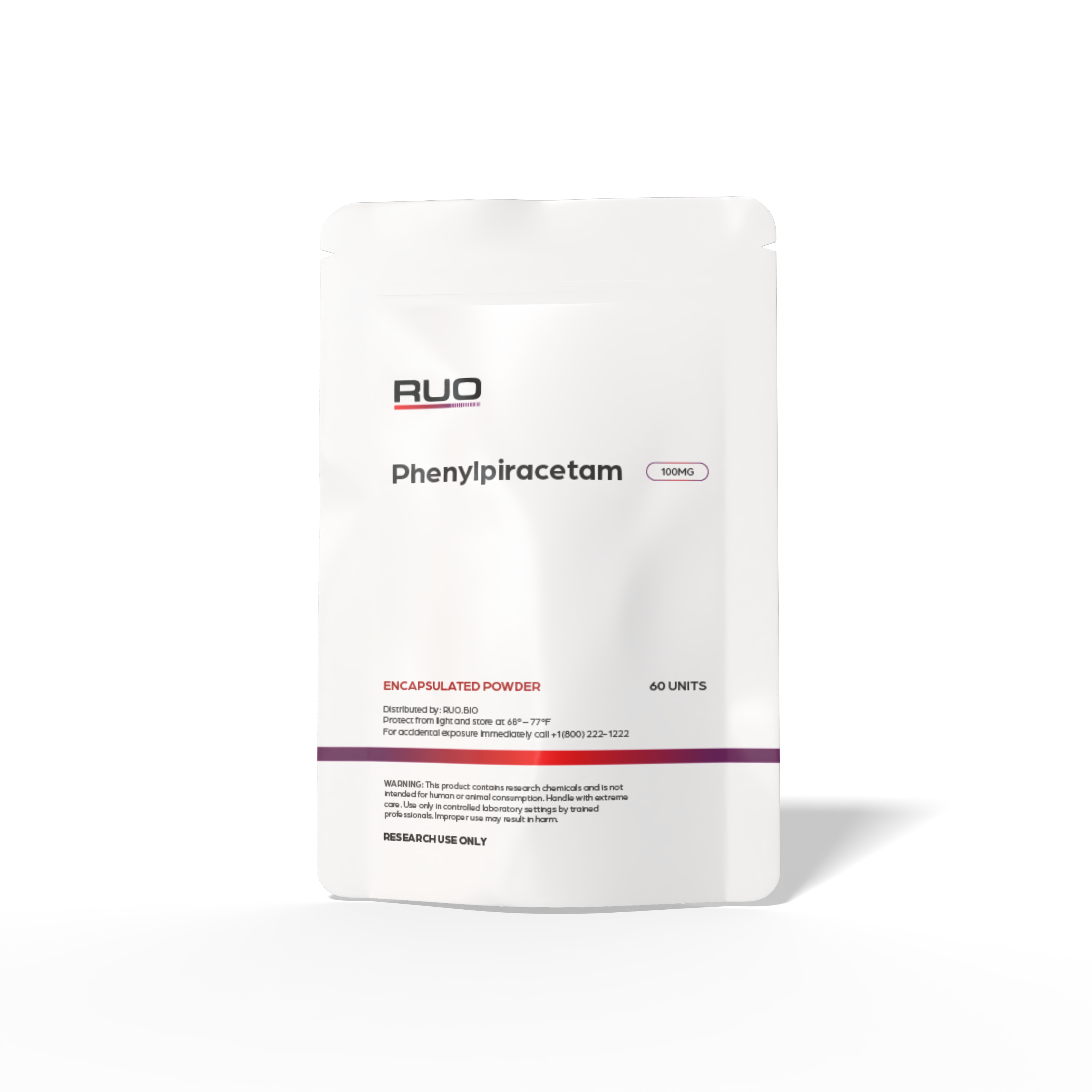
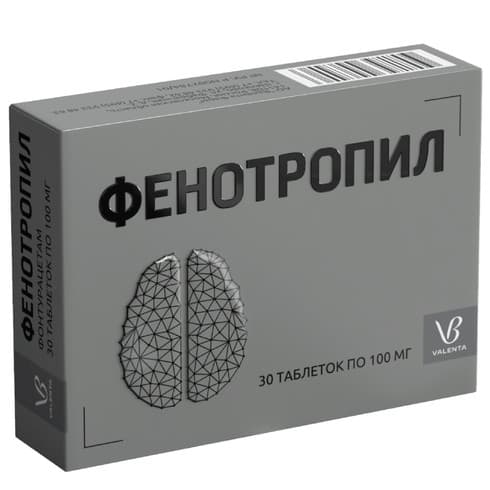
Phenylpiracetam (phenotropil, carphedon) is a phenylated derivative of piracetam, developed in Russia and used clinically as a nootropic, with reported effects on focus, physical endurance, and tolerance to cold and fatigue. The added phenyl group makes it considerably more potent than the parent racetam and confers a distinct mechanism, selective inhibition of the dopamine transporter, which is thought to underlie its stimulant-like, motivating properties. It was among the first cognitive enhancers prohibited in competitive sport, having been banned by anti-doping authorities in 1998.
- Stimulating focus that truly locks in
- Real physical energy and endurance
- Strong motivation and drive
- Blocks the dopamine transporter, unlike plain piracetam
- Banned in competitive sport since 1998
- Famous for cold and fatigue tolerance
- Phenylpiracetam can cause overstimulation, irritability, and difficulty sleeping, especially later in the day
- Headache is a commonly reported effect among racetams
- Its dopaminergic, stimulant-like action may raise blood pressure or heart rate in sensitive users
Overview
Phenylpiracetam is a nootropic of the racetam family, known in clinical use by the trade name phenotropil and in the doping literature as carphedon or fonturacetam; chemically it is 2-(2-oxo-4-phenylpyrrolidin-1-yl)acetamide, the piracetam molecule with a phenyl group attached to the pyrrolidone ring [1][2]. That single aromatic addition is the defining structural change, and it makes phenylpiracetam substantially more potent by weight than piracetam while also giving the molecule stimulant-like and dopaminergic properties the parent compound lacks [2][3]. The compound is chiral, and its two enantiomers differ in activity, with the R-form carrying most of the memory-related effect [2].
Phenylpiracetam was developed in Russia, where phenotropil has been used as a prescription nootropic to improve physical condition and cognition, and it has been studied for endurance and cold resistance as well as amnesia [2][5]. Human clinical work from Russian centers has examined phenotropil in neurological settings, including as an add-on in the treatment of symptomatic post-traumatic epilepsy, where it was associated with improved cognitive function without the seizure aggravation seen with some nootropics [6]. Additional research describes nootropic and mitoprotective effects in models of impaired cognition [7].
In modern anti-doping regulation phenylpiracetam holds a notable place: carphedon was the first nootropic prohibited in sport, added to the banned list in 1998, and it is detectable in urine by standard doping-analysis methods [1][5]. Outside Russia and a handful of neighboring countries it is not an approved medicine, and it is instead sold internationally as a research chemical or nootropic dietary supplement, a category in which regulatory reviews have flagged it as an unauthorized ingredient [1]. It is most commonly encountered as a crystalline powder or in capsule and tablet form under names such as phenotropil, phenylpiracetam, and fonturacetam [1].
- Target-profiling studies found the dopamine transporter to be phenylpiracetam's only significant molecular target, with the effect concentrated in one enantiomer.
- Carphedon was one of the first nootropics ever banned in competitive sport, added to anti-doping prohibited lists in 1998.
Mechanism
Phenylpiracetam's most clearly defined molecular action is selective inhibition of the (). Radioligand binding and target-profiling studies identified DAT as the only significant molecular target for the phenylpiracetam enantiomers, with the S-form acting as a selective DAT inhibitor that does not engage or transporters [3][4]. By blocking reuptake, phenylpiracetam raises extracellular dopamine in a manner that supports its stimulant-like, motivating, and focus-enhancing character, distinguishing it from piracetam, which lacks meaningful dopaminergic activity [3]. Pharmacokinetic work shows the molecule crosses readily into the brain: after a 50 mg/kg dose in mice, R-phenylpiracetam reached brain tissue within about 15 minutes and peaked near 28 micrograms per gram of tissue after intraperitoneal and 18 micrograms per gram after oral administration [4].
The behavioral effects track this pharmacology. In comparative testing, both R- and S-phenotropil increased locomotor activity and produced antidepressant-like effects in the forced swim test, while memory improvement in a passive avoidance task was specific to the R-enantiomer, significant at a dose as low as 1 mg/kg, even though brain concentrations of the two isomers were similar [2]. This dissociation indicates that phenylpiracetam's cognitive benefit is not simply a function of drug exposure but of stereospecific target engagement [2]. The compound is also credited with improving physical endurance and resistance to cold, effects that underlie both its athletic reputation and its prohibition in sport [5].
Beyond , phenylpiracetam shows neuroprotective, anti-inflammatory, and mitoprotective activity. In a lipopolysaccharide endotoxemia model, R-phenylpiracetam attenuated body-temperature loss and reduced overexpression of inflammatory genes including TNF-alpha, IL-1-beta, and iNOS, and it lessened inflammatory pain responses, effects attributed to its activity given the link between dopaminergic tone and [4]. In diabetic rats, phenylpiracetam preserved cognition together with the functional state of neocortical mitochondria, pointing to protection of membrane potential as a further contributor to its profile [7]. Together these mechanisms frame phenylpiracetam as a dopaminergic, stimulant-leaning racetam whose benefits span attention, mood, physical performance, and neuroprotection [3][4].
receptor fingerprint
α4β2 ACh receptoragonist
()inhibits (R-enantiomer)
Physical stamina / cold toleranceenhances
Piracetam-type / membrane / ion-channel effectsmostly lost vs piracetam
Dosingtypical ranges, not medical advice
interested in protocols and clinical dosages? make an account to see them! ^_^
Safetyrisks and cautions, not medical advice
Phenylpiracetam is a phenyl-modified piracetam with a noticeable stimulant, focus-forward feel, which is why people like it for demanding days. A few sensible notes: it leans dopaminergic and mildly stimulant, so keep it away from other strong stimulants, MAOIs, or dopamine drugs, and go easy if you deal with uncontrolled high blood pressure, anxiety, insomnia, or heart issues; a choline source like Alpha-GPC or CDP-choline is the usual fix for racetam headaches. Tolerance to the kick builds fast, so it works best used now and then rather than daily. Athletes should note WADA bans it in competition (it tests as carphedon). Legally it's grey-market in much of the world and a prescription med in Russia and Eastern Europe.
History
Phenylpiracetam, known as phenotropil or carphedon, was developed in the Soviet Union in the 1980s by adding a phenyl group to the piracetam molecule, a modification that greatly increased potency and introduced a new dopaminergic mechanism.
It was created in part for the demands of cosmonauts and other personnel who needed to sustain performance under physical and psychological stress, and it later became a clinically used nootropic, marketed in the region as Phenotropil by the Latvian manufacturer Olainfarm.
Its performance-enhancing reputation drew the attention of anti-doping authorities, and carphedon was among the first cognitive enhancers prohibited in competitive sport, added to the banned list in 1998. Much of its modern mechanistic characterization, including the identification of the dopamine transporter as its principal molecular target, came from work by Zvejniece, Dambrova and colleagues at the Latvian Institute of Organic Synthesis.
Reputation
Phenylpiracetam has a strong reputation as the most stimulant-leaning of the common racetams, with users reporting improved focus, motivation, physical endurance, and tolerance to cold and fatigue. That profile is now backed by a clear molecular story; unlike the milder, non-dopaminergic piracetam, phenylpiracetam selectively inhibits the dopamine transporter, which plausibly underlies its energizing character. Its athletic reputation is genuine enough that it is banned in sport, a fact worth respecting for anyone subject to drug testing, and tolerance to its stimulant effects can build with frequent use. On balance it is one of the better-studied and most distinctive racetams, valued for a dependable, driven quality that sets it apart from its parent compound.
Subjective profileweighing the evidence above
The one racetam that genuinely stimulates, and it earns its place on a demanding day when used sparingly. Tolerance to the kick builds fast, so a few days a week beats daily, take it early, and go easy if blood pressure, anxiety or sleep are already a problem. Banned in competitive sport.
Where to buy

Suppliers
Vendors carrying Phenylpiracetam, with live product details and codes. Links are affiliate links that support the wiki at no cost to you.
| supplier | size | price | $/mg |
|---|---|---|---|
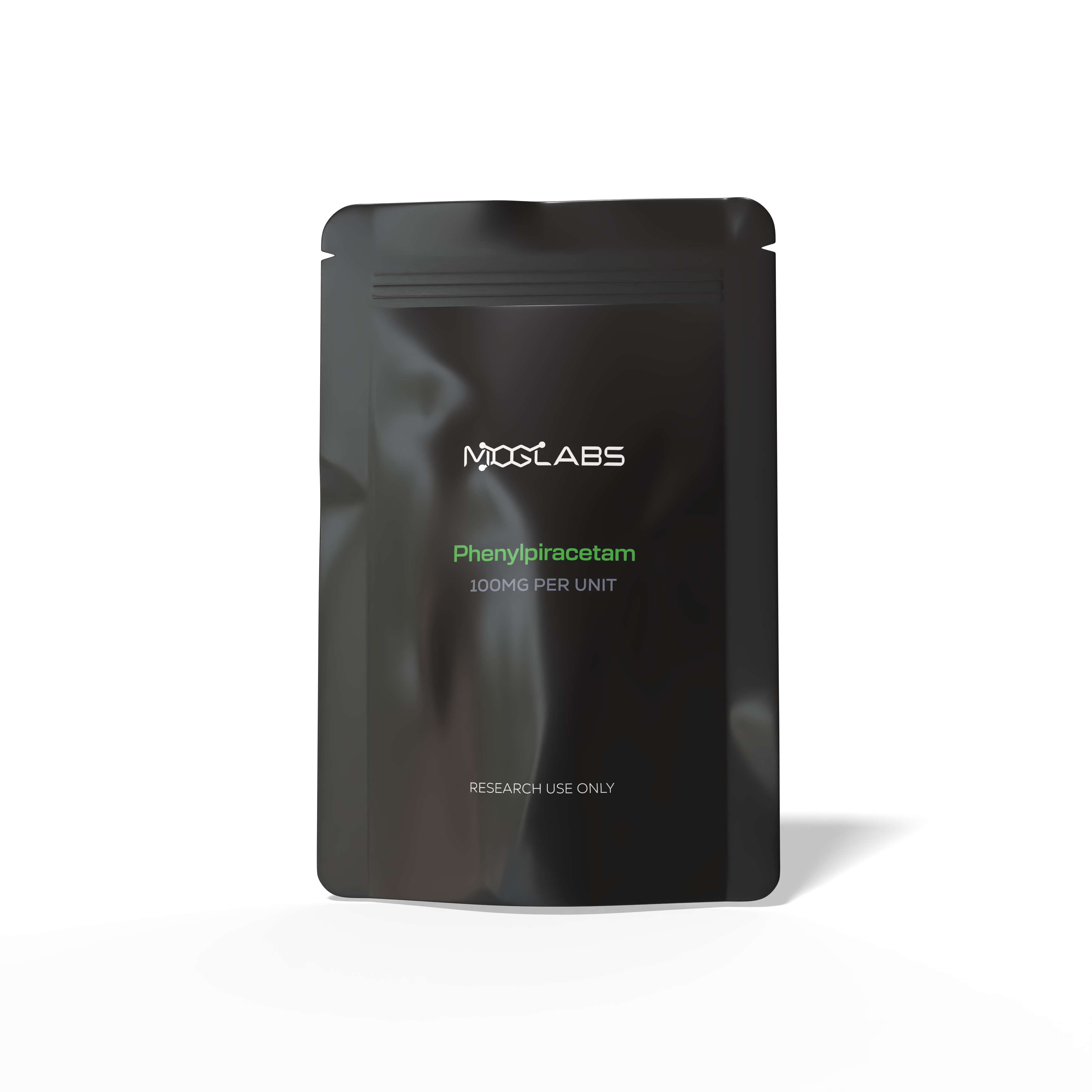
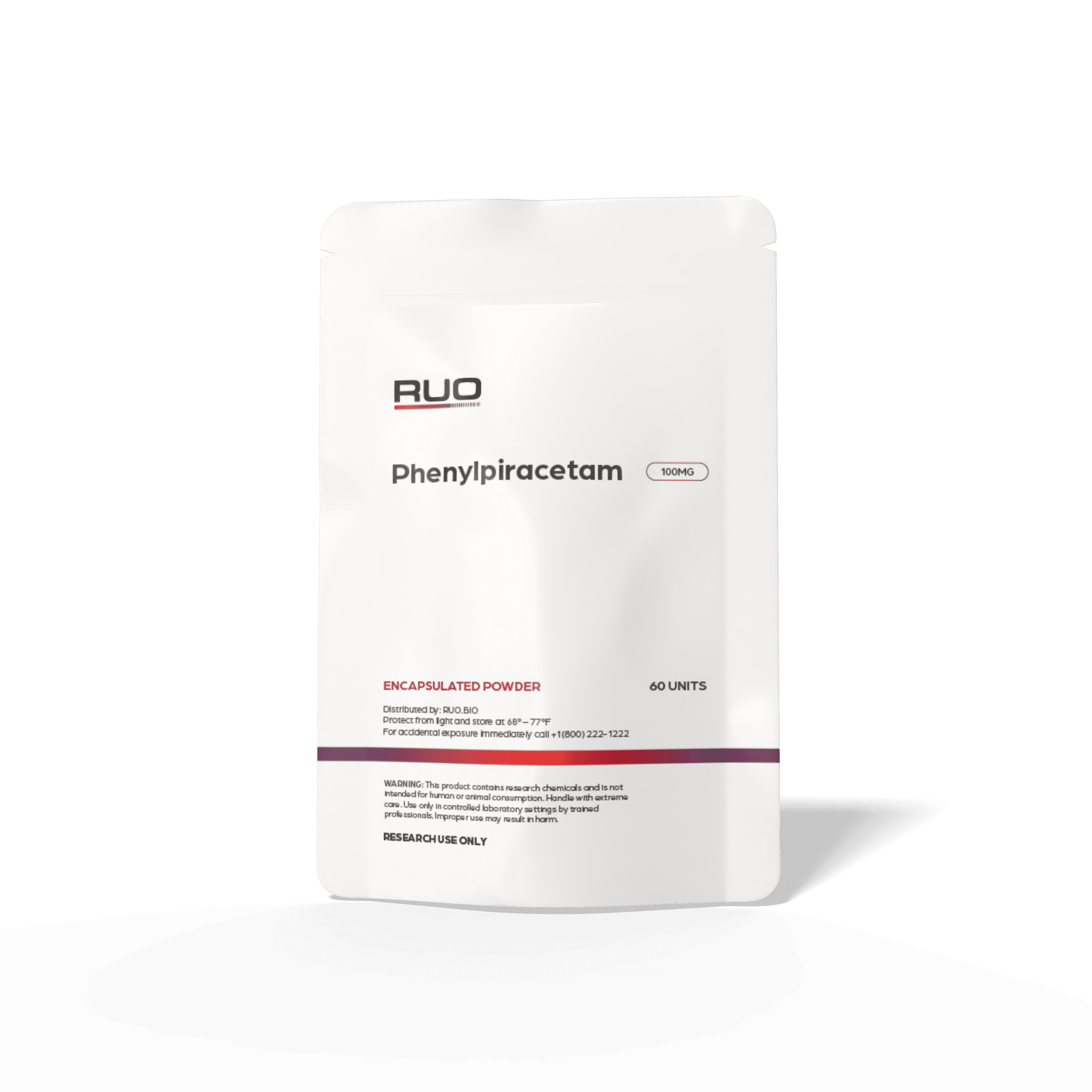
| RUOlowest | 100mg | $60.00 | $0.600/mg |
| Moglabs | 100mg | $68.00 | $0.680/mg |
RUPharma🌐
Phenylpiracetam
RUPharma🌐
Phenylpiracetam
RUPharma🌐
Phenylpiracetam
RUO
Phenylpiracetam
Moglabs
Phenylpiracetam
Research
- 1983first cited[Pharmacological characteristics of a new phenyl analog of piracetam--4-phenylpiracetam]
- 2011most active year4 papers
- 2025most recent[Efficacy and safety of fonturacetam in asthenia: a systematic review and meta-analysis].
- 1.Unauthorized ingredients in "nootropic" dietary supplements: A review of the history, pharmacology, prevalence, international regulations, and potential as doping agents.
- 2.Investigation into stereoselective pharmacological activity of phenotropil.
- 3.S-phenylpiracetam, a selective DAT inhibitor, reduces body weight gain without influencing locomotor activity.
- 4.Neuroprotective and anti-inflammatory activity of DAT inhibitor R-phenylpiracetam in experimental models of inflammation in male mice.
- 5.Determination of carphedon in human urine by solid-phase microextraction using capillary gas chromatography with nitrogen-phosphorus detection.
- 6.[Nootropics and antioxidants in the complex therapy of symptomatic posttraumatic epilepsy].
- 7.[Role of functional state of neuronal mitochondria of cerebral cortex in mechanisms of nootropic activity of neuroprotectors in rats with alloxan hyperglycemia].
- 8.[Asthenia, mental fatigue and cognitive dysfunction].
- 9.Asymmetric Michael Addition in Synthesis of β-Substituted GABA Derivatives.
- 10.Piracetam and piracetam-like drugs: from basic science to novel clinical applications to CNS disorders.
- 11.[Pharmacological effects of fonturacetam (Actitropil) and prospects for its clinical use].
- 12.[Efficacy and safety of fonturacetam in asthenia: a systematic review and meta-analysis].
30 listed here; entry last updated August 2026
Reviews
- Not for everyone, but still okay
Phenylpiracetam was my first nootropic in the space and I bought it as a raw chemical compound from Venogen Biochemicals. Took it a few times at about 200-300mg (recommended dosage) and the way it works is more-so passive. I noticed a mild boost in energy and a decent boost in focus, nothing beyond that. It doesn't interact with everyone, apparently not me so I wouldn't rate it anything above a 4 🤷♂️ see other reviews for more information and such
0 - nice with occasional use; good for long workdays
pretty neat stimulatory racetam all around. i advise no more than 1-2x a week usage due to A7 possible agonism, severe downregulation, but seems to last me (in terms of wakefulness) around 2-3 hours per dose, with my sweet spot being around 300mgs. personally favorite pick of mine for longer work days. either this or a megadose bromantane works. pairs well with something like tropisetron, nefiracetam, or guanfacine IME
0 - Dope, needs to be cycled
i've seen people say it's an A7 agonist, but it's goated for focus and locking in. lasts 2-3 hours for me and is nice at around 300mgs as needed. no more than 1-2x a week for me
0
My notesprivate to this device
FAQ
How is phenylpiracetam different from piracetam?
It has an added phenyl group that makes it more stimulating and, for many, more noticeable.
Why do athletes take interest in it?
It has been used for energy and cold tolerance, and it is banned in competitive sport by anti-doping agencies.
Does tolerance build?
Many users report that its stimulating effect fades with daily use, so it is often used occasionally.
Is a choline source useful?
As with other racetams some people add choline, though this is a personal preference.
Limitations of the evidence
- Tolerance to its stimulating effect appears to build with frequent use
- It is banned in competitive sport and is not an approved medicine in most Western countries
Adverse effects
- Phenylpiracetam can cause overstimulation, irritability, and difficulty sleeping, especially later in the day
- Headache is a commonly reported effect among racetams
- Its dopaminergic, stimulant-like action may raise blood pressure or heart rate in sensitive users