
spec sheet14 rows
Piracetam is the original nootropic, the very compound for which the word 'nootropic' was coined, developed by Corneliu Giurgea in the late 1960s to enhance learning and memory [1]. A cyclic derivative of the neurotransmitter GABA, it has become the foundational template of the entire racetam family and remains one of the most widely studied cognitive enhancers in the world [1][4]. Prized for a remarkable safety record and effects that are most pronounced when brain function is impaired, piracetam supports memory, learning, and cerebral circulation, and is used clinically for cognitive decline, myoclonus, and stroke recovery [2][4][5].
- The original nootropic; the category namesake
- Decades of research behind it
- Solid memory and learning support
- Remarkable safety record
- Better cerebral blood flow
- Neuroprotective and famously gentle
- The most commonly reported effects are mild, including headache, agitation, irritability, and insomnia
- Some users report anxiety, drowsiness, or gastrointestinal upset
- It is cleared by the kidneys, so caution is advised for people with impaired kidney function
Overview
Piracetam is a nootropic drug and the prototype of the racetam class, chemically 2-oxo-1-pyrrolidineacetamide, a cyclic derivative of the inhibitory neurotransmitter gamma-aminobutyric acid (GABA) built on a 2-oxopyrrolidone (pyrrolidinone) ring [1][3]. It was the first compound of the pyrrolidone family, synthesized by the Romanian-Belgian pharmacologist Corneliu Giurgea in the late 1960s, and it was Giurgea who coined the term 'nootropic' to describe a substance that enhances learning and memory while lacking the sedative, stimulant, or toxic actions of conventional psychoactive drugs [1]. Piracetam gave its structural suffix to a large family of successors including aniracetam, oxiracetam, pramiracetam, phenylpiracetam, and the antiepileptic levetiracetam [1][4].
Over more than five decades piracetam has been studied for a broad range of central nervous system uses. Clinical and experimental work has examined it for cognitive decline in aging and dementia, for cortical myoclonus, for stroke and post-stroke aphasia, and as a neuroprotective agent, and it is characteristically described as more active when brain function is already impaired than in healthy young subjects [2][4]. A meta-analysis of nineteen double-blind, placebo-controlled trials in dementia and age-related cognitive impairment reported a significant global benefit over placebo, while a separate meta-analysis of randomized trials in post-stroke aphasia found only a limited effect, mainly on written language [5][6].
Regulatory status varies widely by country. Piracetam is licensed as a medicine in many European and other nations, where it is sold under brand names such as Nootropil for indications including myoclonus and cognitive disorders, but it has never been approved by the United States Food and Drug Administration and is not a lawful dietary ingredient there, though it is nonetheless sold internationally as a nootropic supplement [1][4]. It is water-soluble and typically encountered as a crystalline powder, in tablets, capsules, oral solutions, and injectable forms [1].
- The entire category of "nootropics" exists because Corneliu Giurgea coined the term in 1972 to describe piracetam specifically; the word predates almost every other drug now placed in it.
- Although piracetam is chemically a cyclic derivative of the inhibitory neurotransmitter GABA, it has essentially no activity at GABA receptors and does not act like a sedative.
- In the landmark placebo-controlled myoclonus crossover trial, ten of the twenty-one patients had to be rescued early from the placebo phase because their symptoms became intolerable, while none needed rescue from piracetam.
Mechanism
Piracetam's mechanism of action has been studied for over half a century and remains only partly resolved, in part because it does not act like a conventional receptor drug. Systematic binding studies found that piracetam has no meaningful affinity for the classical neurotransmitter receptors, showing essentially no binding at , cholinergic, , , , opioid, , benzodiazepine, or receptors [3]. Instead, the racetams are thought to neurotransmission that is already occurring, largely by modulating ion flux, for example enhancing calcium influx through non-L-type voltage-dependent channels and sodium influx through -type -gated channels, rather than by directly switching a receptor on or off [3].
A second, complementary mechanism centers on the neuronal cell membrane. Piracetam interacts with the polar head groups of the phospholipid bilayer, restoring membrane fluidity, and this effect is notably more pronounced in the membranes of aged brains and those of Alzheimer's disease patients than in young healthy tissue [2]. This membrane action helps explain a defining clinical feature of piracetam, that its benefits are consistently greater when brain function is impaired, and it also underlies vascular effects such as improved red-blood-cell deformability and reduced platelet hyperaggregation, which enhance microcirculation and support the delivery of oxygen and glucose to neural tissue [2]. Through these combined actions piracetam is associated with improved neuronal signaling, neuroprotection, and cerebral blood flow rather than with acute stimulation [2][4].
The clinical effect sizes are generally modest and condition-dependent, which is consistent with this gentle, restorative pharmacology. In dementia and cognitive impairment, pooled analysis of nineteen controlled trials showed a statistically significant improvement over placebo on a global clinical measure [5]. In post-stroke aphasia, a meta-analysis of seven randomized controlled trials totaling 261 patients found no significant benefit on overall aphasia severity but a significant improvement in written language, with a standardized mean difference of 0.35 (95 percent confidence interval 0.04 to 0.66) [6]. Piracetam is further distinguished by very low toxicity and an absence of serious side effects across this large literature, a tolerability profile that has accompanied its use since its introduction [3][7].
More recently, piracetam's antioxidant and actions have drawn interest beyond cognition. In a mouse model of hepatic encephalopathy (brain dysfunction driven by liver failure and high ammonia), oral piracetam improved locomotor activity, blunted oxidative-stress biomarkers, lowered pro-inflammatory cytokines, and restored mitochondrial indices, leading the authors to propose it could be repurposed as a neuroprotective agent for that condition [8].
receptor fingerprint
receptorspositive modulator
ACh receptorsraises density
Neuron membrane fluidityrestores
Red blood cells / plateletsreduces adhesion
Dosingtypical ranges, not medical advice
interested in protocols and clinical dosages? make an account to see them! ^_^
Safetyrisks and cautions, not medical advice
Piracetam is generally well tolerated with a strong track record over decades of use. The main contraindications are severe kidney impairment (it's cleared renally, so you drop the dose below an eGFR of 60) and pregnancy or breastfeeding (not enough data). It has mild blood thinning activity, so be careful alongside anticoagulants (warfarin, heparin) or antiplatelet drugs (aspirin, clopidogrel), since bleeding risk adds up. It can amplify the stimulant effect of amphetamines too. No real liver toxicity. It's unscheduled in the US (not FDA-approved, sold in a grey area as a bulk powder) but a regulated prescription medicine across the EU, UK, and many other countries. Nothing hormonal, and skip it if you react badly to racetams or pyrrolidone compounds.
Interactionsdocumented pairs only, not exhaustive
Piracetam reduces platelet aggregation and can potentiate oral anticoagulants; its summary of product characteristics (Nootropil) notes that adding high-dose piracetam to acenocoumarol or warfarin may enhance the reduction in platelet aggregation and prolong prothrombin time beyond anticoagulation alone. The same label documents isolated reports of confusion, irritability, and sleep disturbance when piracetam was combined with thyroid hormone extract (T3 plus T4). Piracetam is largely excreted unchanged by the kidney and is not appreciably metabolized by cytochrome P450, so CYP-mediated drug interactions are considered unlikely. A pharmacodynamic potentiation of antiepileptic drugs at high doses has been described but is not firmly established. This is research information, not medical advice.
Checking a whole stack? Run it through interactions + stacks.
History
Piracetam was synthesized in 1964 by the Romanian-born chemist and pharmacologist Corneliu Giurgea while working at the Belgian pharmaceutical company UCB (Union Chimique Belge), and it was first brought to market in Europe around 1971 under the trade name Nootropil.
Giurgea initially explored the molecule, a cyclic derivative of the neurotransmitter GABA, in the context of motion sickness and calming agents, but he was struck instead by its ability to improve learning and memory without the sedation or stimulation of conventional drugs.
In 1972 he coined the word "nootropic," from the Greek noos (mind) and tropein (to bend or turn), specifically to describe this new class of substances that enhance cognition while being remarkably safe, and piracetam became its founding template.
Over the following decades it spawned an entire family of "racetam" analogues and accumulated one of the largest clinical literatures of any cognitive agent, with recognized uses in cortical myoclonus, age-related cognitive decline, and stroke recovery. Its safety profile, established over more than half a century of use, remains a defining feature of the compound.
Reputation
Piracetam holds a singular place in pharmacology as the original nootropic, the very molecule for which the word was invented, and it remains the reference point against which every later cognitive enhancer is measured.
It is prized for an unusually gentle character: rather than forcing the brain into overdrive, it appears to restore and optimize signaling that is already occurring, which helps explain why its benefits are most pronounced when brain function is impaired. Its safety record is genuinely striking, with a large literature reporting an absence of serious adverse effects even at high doses.
In the clinic it earned respect beyond the enhancement community through rigorous work in cortical myoclonus, where placebo-controlled trials showed dramatic benefit, and through pooled evidence of modest but real improvement in dementia.
Honesty requires noting that in healthy young people the cognitive effects are subtle and inconsistent, and it is not approved as a cognitive drug in the United States; still, few compounds combine such a long pedigree, such broad study, and such tolerability.
Subjective profileweighing the evidence above
Historically important and remarkably safe, but the effect is genuinely subtle and most people expecting a noticeable lift end up disappointed. Fine as a cheap, low-risk place to start; aniracetam or a decent cholinergic is usually the more rewarding home for the same money.
Where to buy

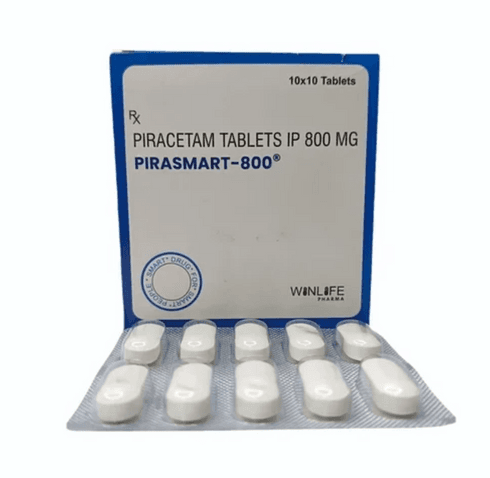

Suppliers
Vendors carrying Piracetam, with live product details and codes. Links are affiliate links that support the wiki at no cost to you.
PCT.Zone
Piracetam
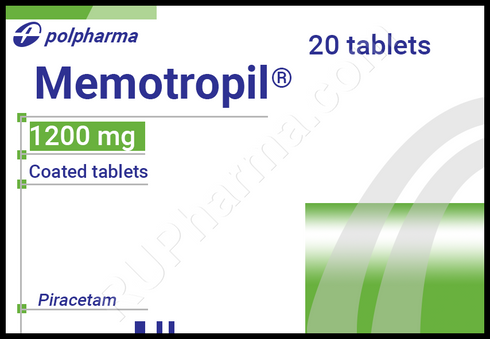
RUPharma🌐
Piracetam
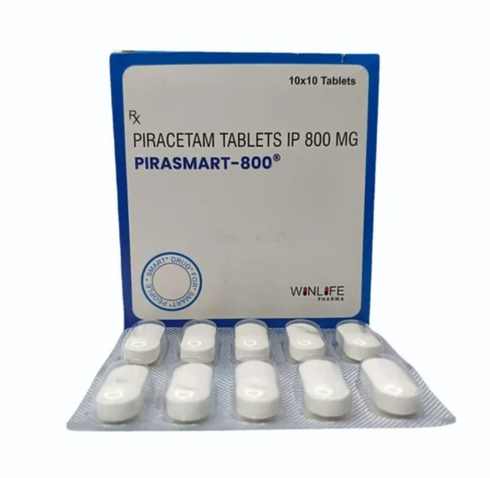
RUPharma🌐
Piracetam

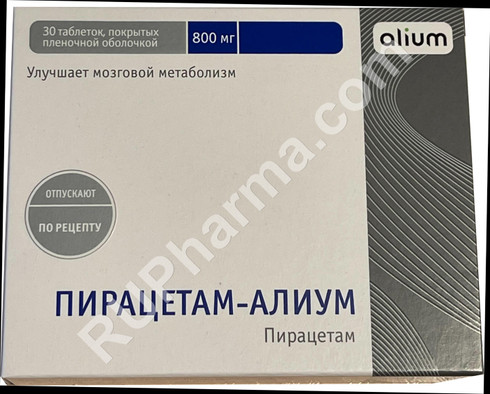
RUPharma🌐
Piracetam
Kimera Chems
Piracetam
Research
- 1976first citedPiracetam in sickle-cell anaemia
- 1999most active year5 papers
- 2002meta-analysisClinical efficacy of piracetam in cognitive impairment: a meta-analysis.
- 2025most recentThe mechanistic role of piracetam in the management of vascular dementia.
- 1.Pyrrolidone derivatives.
- 2.Piracetam: novelty in a unique mode of action.
- 3.Piracetam and other structurally related nootropics.
- 4.Piracetam and piracetam-like drugs: from basic science to novel clinical applications to CNS disorders.
- 5.Clinical efficacy of piracetam in cognitive impairment: a meta-analysis.
- 6.Piracetam for Aphasia in Post-stroke Patients: A Systematic Review and Meta-analysis of Randomized Controlled Trials.
- 7.Design and study of piracetam-like nootropics, controversial members of the problematic class of cognition-enhancing drugs.
- 8.Hepatic encephalopathy complications are diminished by piracetam via the interaction between mitochondrial function, oxidative stress, inflammatory response, and locomotor activity
- 9.Efficacy of piracetam in children with breath-holding spells: a systematic review and meta-analysis.
- 10.The mechanistic role of piracetam in the management of vascular dementia.
- 11.Piracetam--an old drug with novel properties?
- 12.Piracetam for acute ischaemic stroke.
30 listed here; entry last updated August 2026
Reviews
- solid; needs high dose
solid for cognitive flexibility and making things feel “smooth” if that makes sense needs a dose of 5g or around that if using daily, and for best effects 25g is solid. anything climbing above 10g is where it gets good may be a bit pricy but its damn smooth for long ash work study days for me ime
0
My notesprivate to this device
FAQ
Why is piracetam considered the original nootropic?
It was the first compound in the racetam class and helped define the nootropic category.
Is a choline source useful with it?
Some users report a choline source helps with racetam-related headaches, though this is a personal preference.
How strong is its effect?
It is generally described as gentle and subtle compared with newer, more potent racetams.
How well studied is it?
It is one of the most researched nootropics, with decades of studies mostly focused on memory and cognition.
Could piracetam help with hepatic encephalopathy?
There's early, animal-level evidence pointing that way. In a mouse model of hepatic encephalopathy (the brain dysfunction that comes with liver failure and dangerously high ammonia), oral piracetam improved the animals' movement, blunted oxidative-stress markers, lowered inflammatory cytokines, and restored mitochondrial function; the researchers suggested it could be repurposed as a neuroprotective agent for that setting. It's a promising signal, but it's a mouse study rather than a human trial, so treat it as a research direction, not a recommendation.
Adverse effects
- The most commonly reported effects are mild, including headache, agitation, irritability, and insomnia
- Some users report anxiety, drowsiness, or gastrointestinal upset
- It is cleared by the kidneys, so caution is advised for people with impaired kidney function
Notes and cautions
- Piracetam has a very low toxicity and is generally well tolerated, even at high intakes
- It is not approved by the US Food and Drug Administration, though it is a licensed medicine in many other countries