
spec sheet12 rows
Omega-3 fatty acids are a family of polyunsaturated fats defined by a carbon-carbon double bond positioned three atoms from the methyl end of the molecule. The three most important to human health are alpha-linolenic acid (ALA), found in plants such as flaxseed and walnuts, and the longer-chain eicosapentaenoic acid (EPA) and docosahexaenoic acid (DHA), which come mainly from fish, fish oil, and marine algae. Because the body cannot make ALA and converts it only inefficiently into EPA and DHA, these fats are treated as dietary essentials. They are consumed both as ordinary foods and dietary supplements and, in purified high-dose forms, as prescription medicines for elevated triglycerides.
- Drops high triglycerides measurably
- Structural fat for brain and eyes
- Backs heart health every single day
- Calms inflammation throughout the body
- Essential; the body cannot make them
- Fish, oil or algae for vegetarians
- A fishy aftertaste, belching, or mild digestive upset are the most common complaints with fish oil
- Very high doses can modestly increase the tendency to bleed, so caution is advised for people taking blood thinners
- Some trials of high-dose prescription forms have reported a small increase in atrial fibrillation
Overview
Omega-3 fatty acids, also written as n-3 fatty acids, are polyunsaturated fatty acids in which the first double bond lies three carbon atoms from the terminal methyl group; that structural detail is what the name describes [1]. The three of greatest biological importance are alpha-linolenic acid (ALA), an 18-carbon fat from land plants, and two longer marine forms, eicosapentaenoic acid (EPA) and docosahexaenoic acid (DHA) [1]. Humans cannot synthesize ALA, so it must be obtained from food, and the body converts ALA to EPA and DHA only inefficiently, which is why oily fish and algal oils are emphasized as direct sources of the long-chain forms [1].
Dietary omega-3s occur in fatty fish such as salmon, mackerel, herring, and sardines, in fish oil and krill oil supplements, and in plant foods including flaxseed, chia seeds, and walnuts, while microalgae are the original source of the EPA and DHA that build up along the marine food chain [1]. Inside the body these fats are incorporated into cell membranes, where DHA is especially concentrated in the brain and retina, and they act as precursors for signaling molecules that influence inflammation, including eicosanoids and the resolution-phase mediators known as resolvins, protectins, and maresins [2]. Through these routes marine omega-3s can temper several steps of the inflammatory response, an effect studied in conditions such as rheumatoid arthritis [2].
Omega-3s have been investigated extensively for cardiovascular and other outcomes, with results that are genuinely mixed [2][3]. High intakes reliably lower blood triglyceride levels, which underlies the approval of concentrated prescription products for hypertriglyceridemia [2]. Whether supplements prevent heart attacks, strokes, or death is more contested; a large Cochrane review found that increasing EPA and DHA has little or no effect on overall mortality or cardiovascular events for most people [3]. In contrast, a major randomized trial of a high-dose purified EPA medicine, icosapent ethyl, in statin-treated patients with elevated triglycerides reported a significant reduction in cardiovascular events, and reviews continue to weigh how dose, the particular fatty acid, and the comparison oil might explain such differences [4][2]. Research on mood, cognition, and other conditions has generally produced small or inconsistent effects.
Omega-3s are sold in several forms. As foods and over-the-counter dietary supplements, fish oil, krill oil, and algal oil are widely available and generally regarded as safe within customary intakes [1]. As medicines, purified preparations such as omega-3-acid ethyl esters, which contain both EPA and DHA, and icosapent ethyl, which contains EPA only, are prescription products used to lower very high triglyceride levels [2][4]. Reported drawbacks are usually mild, such as a fishy aftertaste or digestive upset, though high doses have been associated with a somewhat increased risk of atrial fibrillation and, because of mild effects on bleeding, warrant care in people taking blood thinners [4].


- The modern fascination with fish oil began with 1970s studies of Greenland's Inuit, whose marine diet was tied to strikingly low heart-disease rates.
- Because humans convert the plant omega-3 alpha-linolenic acid into EPA and DHA only inefficiently, oily fish and algae are far more reliable sources of the long-chain forms.
- EPA and DHA are not merely anti-inflammatory; the body converts them into specialized 'pro-resolving mediators' called resolvins and protectins that actively help shut inflammation down.
Mechanism
Omega-3 fatty acids act less like a single drug hitting one target and more like nutrients that reshape cell biology from within [1][2]. When EPA and DHA are eaten, they are incorporated into the phospholipids of cell membranes, changing the membranes' composition and fluidity and displacing some of the omega-6 fatty acid arachidonic acid [2]. Because arachidonic acid is the raw material for many potent inflammatory eicosanoids, this substitution shifts the mix of signaling molecules the body produces toward eicosanoids of lower inflammatory potency, and EPA and DHA additionally give rise to specialized pro-resolving mediators (resolvins, protectins, and maresins) that actively help bring inflammation to a close [2].
Omega-3s also influence gene activity, for example by dampening the pro-inflammatory transcription factor nuclear factor kappa B and engaging receptors such as GPR120, and they interact with lipid metabolism in ways that lower circulating triglycerides [2]. These combined membrane, signaling, and metabolic effects are thought to underlie their influence on inflammation, blood lipids, and cardiovascular risk factors [1][2].
receptor fingerprint
Hepatic VLDL and triglyceride synthesismodulates
PPAR-alphaactivates
FFAR4 (GPR120) receptoragonist
Eicosanoid and pro-resolving mediator balancemodulates
Platelet aggregation (thromboxane A2)modulates
Dosingtypical ranges, not medical advice
interested in protocols and clinical dosages? make an account to see them! ^_^
Safetyrisks and cautions, not medical advice
Omega-3s are usually taken as an over-the-counter supplement, with prescription versions for high triglycerides. They are well tolerated; the most common complaints are a fishy aftertaste or burps, mild indigestion, and loose stools, all reduced by taking them with meals or using an enteric-coated product. At the high doses used for triglycerides they can slightly raise bleeding tendency and, in some trials, the risk of atrial fibrillation. They are not a treatment for existing heart disease on their own, and supplement quality varies, so a reputable product matters.
Interactionsdocumented pairs only, not exhaustive
Omega-3 fatty acids inhibit platelet aggregation and carry a documented risk of bleeding when combined with anticoagulants like warfarin. The mechanism is pharmacodynamic; both warfarin and omega-3 fish oil promote bleeding through independent pathways that sum together [7] [8]. High-dose omega-3 supplementation (6 grams daily or higher) with warfarin has led to life-threatening bleeding, including subdural hematoma from minor trauma in elderly patients. A retrospective study of over 500 patients found that fish oil and krill oil at typical supplement doses did not significantly alter warfarin control in a monitored anticoagulation clinic, though case reports of severe bleeding with higher doses persist [9].
The interaction with aspirin is similarly pharmacodynamic and additive; aspirin plus omega-3 plus warfarin has appeared in case reports of uncontrollable bleeding [8]. What remains essentially unstudied is the interaction of omega-3 with direct oral anticoagulants (apixaban, rivaroxaban, dabigatran); clinical data in these combinations are sparse, and the risk is unknown. Omega-3 with antiplatelet agents like clopidogrel has not been formally characterized.
Checking a whole stack? Run it through interactions + stacks.
History
Interest in omega-3 fatty acids as more than ordinary dietary fat grew out of epidemiological work in the 1970s, when Danish investigators Hans Olaf Bang and Jorn Dyerberg studied the Inuit of Greenland and linked their fish- and marine-mammal-rich diet, and its high content of eicosapentaenoic acid, to low rates of heart disease. That observation launched decades of research into how EPA and its companion docosahexaenoic acid influence blood lipids, clotting, and inflammation.
Purified, high-dose preparations followed the ordinary fish-oil supplements onto the market; the prescription omega-3-acid ethyl ester product Lovaza received U.S. approval in 2004 for severe hypertriglyceridemia, and a highly purified EPA-only ester, icosapent ethyl, was approved in 2012 and later studied in large cardiovascular outcome trials. Alongside the marine forms, the plant-derived precursor alpha-linolenic acid was recognized as an essential fatty acid because humans cannot synthesize it. Today omega-3s span the full range from everyday food and supplements to regulated medicines, backed by one of the largest bodies of nutritional research in existence.
Reputation
Few supplements have been studied as intensively as omega-3 fatty acids, and their strongest, most consistent evidence is for lowering elevated triglycerides, where high doses can reduce very high levels substantially and are used as prescription therapy. Large meta-analyses have also associated marine omega-3 intake with reductions in certain cardiovascular events such as fatal and total myocardial infarction, and the fats are widely valued for a favorable safety profile and roles that appear to reach into inflammation, brain, and eye health.
The honest picture is nuanced: outcome trials have disagreed, with the high-profile STRENGTH trial finding no cardiovascular benefit from a combined EPA and DHA formulation versus a corn-oil comparator, even as EPA-focused trials reported benefit, so formulation and dose seem to matter. High doses can cause a fishy aftertaste, mild gastrointestinal upset, and a small increase in atrial fibrillation risk. As a well-tolerated, food-derived nutrient with clear lipid effects, omega-3s remain a reasonable and popular choice while research continues to refine who benefits most.
Subjective profileweighing the evidence above
One of the few supplements that genuinely earns a place in most routines, with solid data for lowering high triglycerides and a good tolerability record. Take it with food and the fishy burps mostly go away. At the high prescription doses used for triglycerides, watch for a small rise in bleeding tendency and atrial fibrillation.
Where to buy

1 other outlet
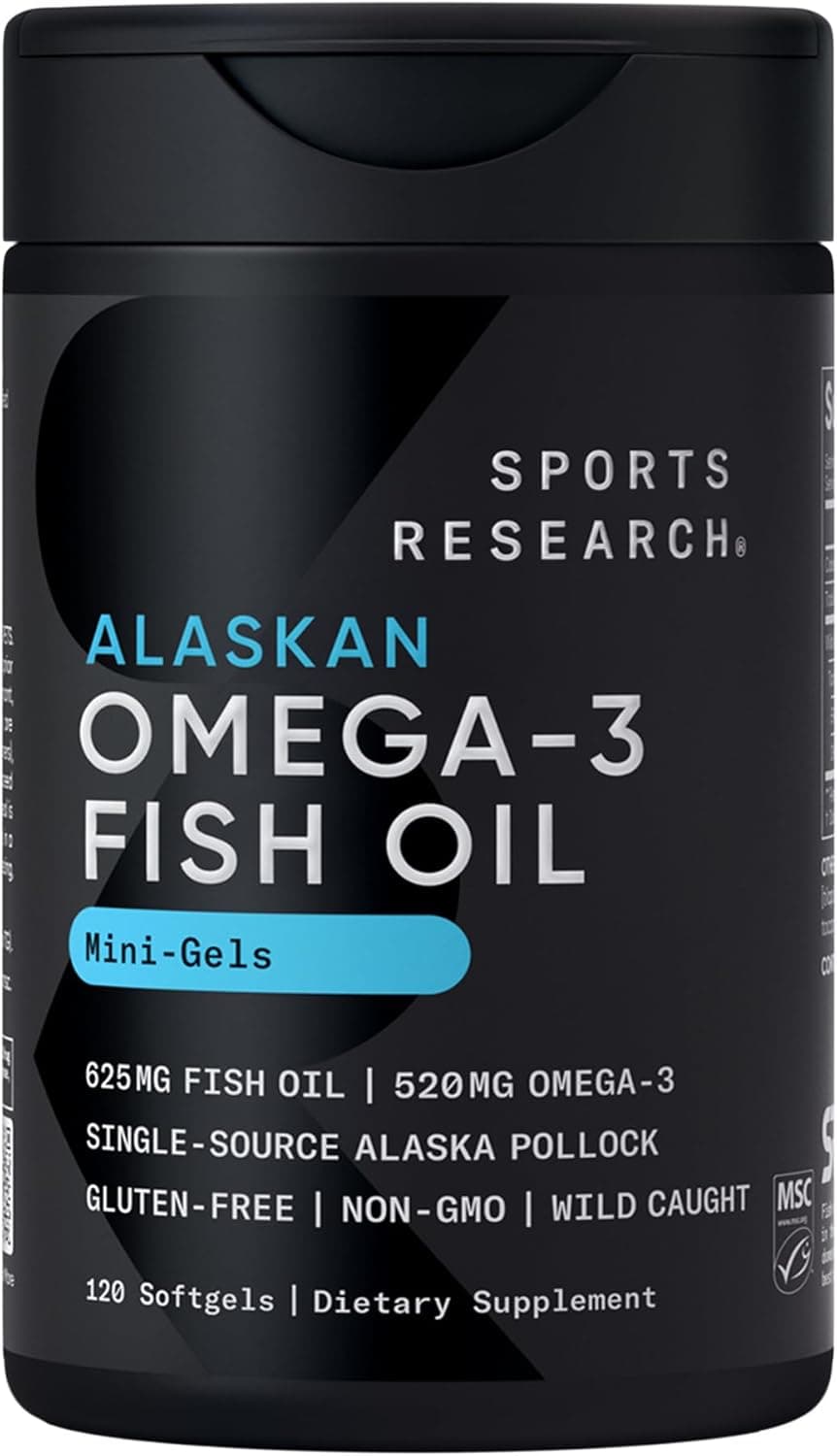
Suppliers
Vendors carrying Omega-3 Fatty Acids, with live product details and codes. Links are affiliate links that support the wiki at no cost to you.
PCT.Zone
Omega-3 Fatty Acids
Amazon
Omega-3 Fatty Acids
Research
- 2007first citedSubdural hematoma after a fall in an elderly patient taking high-dose omega-3 fatty acids with…
- 2023most recentPros and Cons of Long-Chain Omega-3 Polyunsaturated Fatty Acids in Cardiovascular Health.
- 1.Pros and Cons of Long-Chain Omega-3 Polyunsaturated Fatty Acids in Cardiovascular Health.
- 2.Marine omega-3 fatty acids and inflammatory processes: Effects, mechanisms and clinical relevance.
- 3.Omega-3 fatty acids for the primary and secondary prevention of cardiovascular disease.
- 4.Cardiovascular Risk Reduction with Icosapent Ethyl for Hypertriglyceridemia.
- 5.Effect of High-Dose Omega-3 Fatty Acids vs Corn Oil on Major Adverse Cardiovascular Events in Patients at High Cardiovascular Risk: The STRENGTH Randomized Clinical Trial
- 6.Update on Omega-3 Polyunsaturated Fatty Acids on Cardiovascular Health
- 7.Omega-3 Fatty Acid Supplementation and Warfarin: A Lethal Combination in Traumatic Brain Injury.
- 8.Subdural hematoma after a fall in an elderly patient taking high-dose omega-3 fatty acids with warfarin and aspirin: case report and review of the literature.
- 9.The Use of Fish Oil with Warfarin Does Not Significantly Affect either the International Normalised Ratio or Incidence of Adverse Events in Patients with Atrial Fibrillation and Deep Vein Thrombosis: A Retrospective Study.
9 listed here; entry last updated August 2026
Reviews
My notesprivate to this device
FAQ
EPA or DHA, which matters more?
Both are useful; EPA has the strongest cardiovascular trial support at high dose, while DHA is especially important structurally for the brain and eyes.
Will fish oil prevent a heart attack?
The evidence is mixed; high-dose pure EPA reduced events in one large trial, but general low-dose supplementation has not reliably done so.
How do I stop the fishy burps?
Take it with food, keep it refrigerated, or choose an enteric-coated product, which delays release past the stomach.
Is more always better?
No; very high doses lower triglycerides but can slightly raise bleeding and atrial fibrillation risk, so gram-level doses should be guided by a doctor.
Can vegetarians get EPA and DHA?
Yes, algae-based supplements provide EPA and DHA directly, without fish.
Adverse effects
- A fishy aftertaste, belching, or mild digestive upset are the most common complaints with fish oil
- Very high doses can modestly increase the tendency to bleed, so caution is advised for people taking blood thinners
- Some trials of high-dose prescription forms have reported a small increase in atrial fibrillation
Notes and cautions
- Generally well tolerated at customary dietary intakes
- Supplement quality varies, and less-refined products may contain oxidized oil or trace contaminants