
spec sheet7 rows
Olopatadine is a dual acting H1 antagonist and mast cell stabiliser, instilled for the itch and redness of seasonal and perennial allergic conjunctivitis.
- Two drugs in one drop: antihistamine plus mast cell stabiliser
- Itchy, red allergy eyes settle quickly
- One of the best drops available for allergic conjunctivitis
- Sold over the counter on American shelves
- Run it daily through pollen season for the full effect
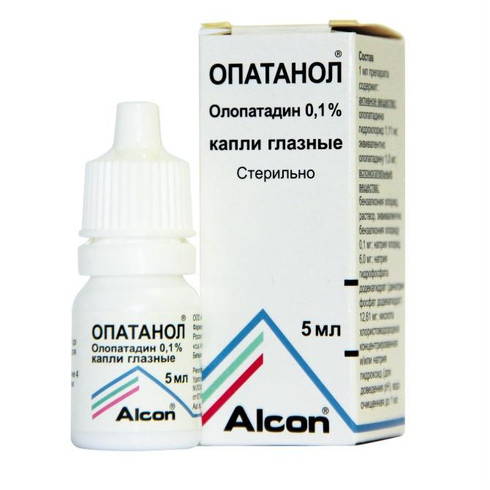
- Olopatadine is a dibenzoxepin with dual action: selective histamine H1 receptor antagonism plus conjunctival mast cell stabilisation, the latter demonstrated in cultured human conjunctival mast cells and confirmed in vivo by conjunctival allergen challenge (PMID 16197656, PMID 20307221).
- Unlike older mast cell stabilisers it does not perturb cell membranes, which is the property its reviews use to distinguish it within the dual-action class [2].
- It inhibits release of leukotrienes and thromboxane from human polymorphonuclear leukocytes and eosinophils, and blocks tachykininergic bronchial contraction by prejunctional inhibition of peripheral sensory nerves [1].
- It has no significant effect on cardiac action potential duration in guinea-pig ventricular myocytes or myocardium, and no effect on the human ether-a-go-go-related gene channel [1].
- Clearance is predominantly renal: at least 58% is excreted unchanged in urine and metabolism contributes little, which is unusual among antiallergic drugs and limits CYP-mediated interaction risk [1].
- The 0.1% ophthalmic solution was approved in the United States in December 1996 and in the EU in February 2002; a 0.2% formulation gives up to 24-hour duration supporting once-daily dosing, and oral olopatadine was approved in Japan in December 2000 for allergic rhinitis, chronic urticaria, eczema and pruritus (PMID 12046981, PMID 15330735).
Mechanism
It blocks the H1 receptor for immediate relief and separately stabilises conjunctival mast cells so they release less and fewer cytokines on the next allergen exposure. The second action is why scheduled dosing through an allergy season works better than dosing only once symptoms appear.
receptor fingerprint
H1 receptorSelective antagonist; the dibenzoxepin blocks H1-mediated itch, vasodilation and vascular permeability in conjunctiva and nasal mucosa
Human conjunctival mast cellsStabilises the mast cell and inhibits degranulation without perturbing the cell membrane, demonstrated both in cultured human conjunctival mast cells and in vivo by conjunctival allergen challenge
Lipid mediator release from polymorphonuclear leukocytes and eosinophilsInhibits release of leukotrienes and thromboxane
Peripheral sensory nerve endings (tachykininergic transmission)Prejunctional inhibition of tachykininergic contraction in guinea-pig bronchi
hERG channel and cardiac action potential durationNO significant effect in isolated guinea-pig ventricular myocytes, guinea-pig myocardium, or the human ether-a-go-go-related gene channel
Safetyrisks and cautions, not medical advice
prescription only in the EU and Russia; it is over the counter in the United States as Pataday, so the classification here is jurisdictional rather than a statement about danger
Subjective profileweighing the evidence above
One of the better drops for allergic conjunctivitis, and worth knowing that the prescription label here is a jurisdictional accident rather than a warning; the same molecule sits on American shelves without one. The mast cell stabilising half only pays off when the drops run on a schedule through the season, so anyone reaching for them reactively after the itch starts gets the antihistamine effect and none of the rest. Contact lens wearers should think about the preservative in most bottles rather than the drug itself.
Where to buy
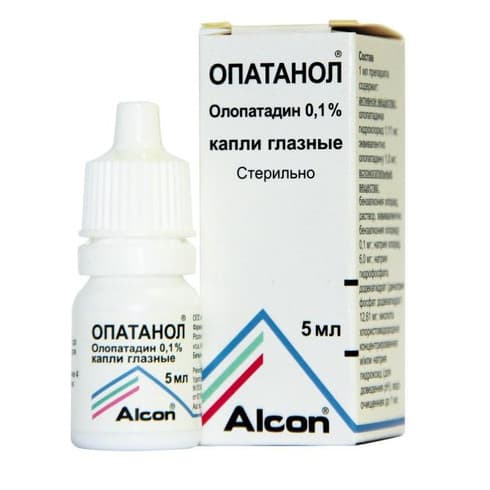
Suppliers
Vendors carrying Olopatadine, with live product details and codes. Links are affiliate links that support the wiki at no cost to you.
RUPharma🌐
Olopatadine
Research
- 2001first cited[Pharmacological, pharmacokinetic and clinical properties of olopatadine hydrochloride' (olopat…
- 2010most recentOlopatadine: a drug for allergic conjunctivitis targeting the mast cell.
- 1.Pharmacological, pharmacokinetic and clinical properties of olopatadine hydrochloride, a new antiallergic drug.
- 2.Mast cell stabilization and anti-histamine effects of olopatadine ophthalmic solution: a review of pre-clinical and clinical research.
- 3.A review of olopatadine for the treatment of ocular allergy.
- 4.Olopatadine: a drug for allergic conjunctivitis targeting the mast cell.
- 5.[Pharmacological, pharmacokinetic and clinical properties of olopatadine hydrochloride' (olopatadine), an antiallergic drug].
5 listed here; entry last updated August 2026
Reviews
My notesprivate to this device
Notes and cautions
- Olopatadine has no boxed warning and an unusually clean cardiac profile for an antihistamine, with no effect on action potential duration or the hERG channel, in direct contrast to the withdrawn terfenadine and astemizole [1].
- Ophthalmic use causes transient stinging or burning, dry eye, foreign-body sensation, headache and taste disturbance; the solution contains benzalkonium chloride, so soft contact lenses must be removed before instillation and reinserted no sooner than 10 minutes afterwards.
- Nasal and oral formulations can cause somnolence, epistaxis and a bitter taste, and the ophthalmic preparation must never be injected or taken orally.
- Oral olopatadine carries the general second-generation antihistamine caution about driving until individual sedation is known.