
Ebastine is a second generation H1 antihistamine used for allergic rhinitis and chronic urticaria; the body converts it to carebastine, which does the actual receptor blocking.
- Non sedating relief for allergic rhinitis and chronic urticaria
- Converts to carebastine, a long acting active metabolite
- Peripheral H1 inverse agonism with minimal brain entry
- Trusted across Japan, Spain and India for years
- Once daily second generation antihistamine
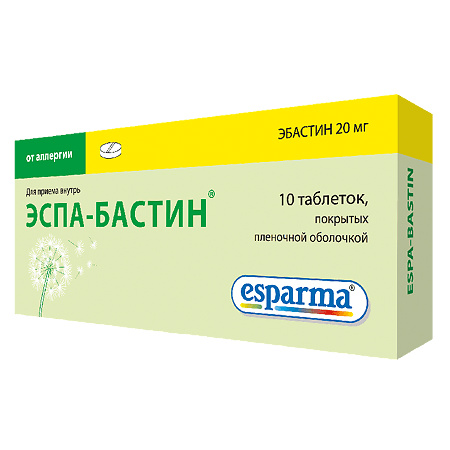
Mechanism
First pass metabolism, largely by CYP3A4, converts ebastine into the acid carebastine, a long acting peripheral H1 inverse . Because that conversion depends on CYP3A4, strong inhibitors such as ketoconazole, erythromycin and clarithromycin raise exposure, and QT prolongation has been seen at high doses in that setting.
Safetyrisks and cautions, not medical advice
Ebastine is a single molecule in the antihistamine class. A full adverse effect profile has not been compiled for this entry yet, so nothing here should be read as evidence that it is well tolerated; the absence is missing work rather than a finding. What is documented is what the compound is and what it is used for.
Subjective profileweighing the evidence above
Nothing here that cetirizine, fexofenadine or the loratadine family does not already do, and the CYP3A4 dependency counts against it rather than for it; strong inhibitors such as ketoconazole or clarithromycin push exposure up, and QT prolongation has turned up at high amounts in exactly that combination. It is used in Japan, Spain and India and has never been marketed in the United States, which is a distribution fact rather than a verdict on the molecule. Someone already settled on a second generation antihistamine has no reason to move across, and someone who has failed two of them has a diagnosis question rather than a molecule question.
Where to buy
Suppliers
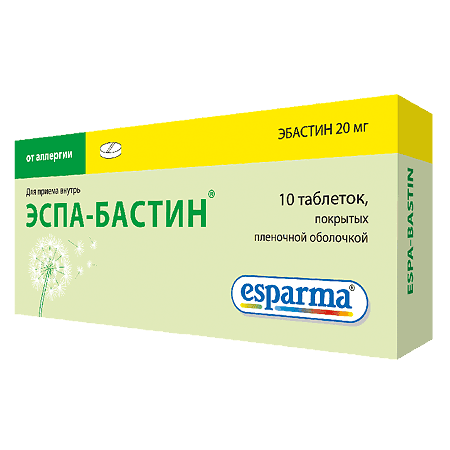
Vendors carrying Ebastine, with live product details and codes. Links are affiliate links that support the wiki at no cost to you.
RUPharma🌐
Ebastine