
spec sheet11 rows
Ketotifen is an antihistamine and mast cell stabilizer used to treat allergic conditions. As eye drops it relieves the itching of allergic conjunctivitis, and taken by mouth it is used to prevent the symptoms of asthma and other allergic disorders [1][3]. It combines two actions in one molecule, blocking the H1 histamine receptor and stabilizing mast cells so that they release fewer inflammatory chemicals [1][4].
- Kills the itch of allergic eyes fast
- Two actions in one molecule: antihistamine plus mast cell stabilizer
- Stabilizes mast cells so they release fewer inflammatory chemicals
- Cheap and over the counter as eye drops
- Long lasting relief from a single dose
- Oral form builds a preventive shield over several weeks
- Oral use can cause drowsiness, especially in the first weeks of treatment
- Weight gain occurs in a minority of people taking it by mouth
- The eye drops may cause brief stinging or eye irritation
Overview
Ketotifen is a medication classed as an antihistamine and mast cell stabilizer, used to treat and prevent allergic disorders [1]. Chemically it is a tricyclic compound built on a benzocycloheptathiophene framework, closely related to the migraine drug pizotifen [1]. Its classification between the older, sedating first-generation antihistamines and the newer second-generation agents is somewhat ambiguous, because it resembles first-generation drugs in structure yet has a long duration of action more typical of the newer class [1].
The drug was developed by the Swiss company Sandoz, later part of Novartis; it was patented in 1970 and came into medical use in 1976 [1]. An eye-drop formulation for allergic eye symptoms was approved in the United States in 1999 and later became available over the counter [3]. It is sold worldwide under many names, most commonly Zaditor and Zaditen [1].
Ketotifen is used in two main ways. As eye drops it is a well-established treatment for the itching and irritation of allergic conjunctivitis, providing relief quickly, and reviews of topical antihistamines and mast cell stabilizers place it among effective options for seasonal and perennial allergic eye disease [2][3]. Taken by mouth it is used as a preventive treatment for bronchial asthma and for allergic conditions including allergic rhinitis, chronic urticaria, atopic dermatitis, and food allergy; in asthma it reduces symptoms and the need for other medicines in a substantial proportion of patients, with an efficacy comparable to sodium cromoglicate, although it must be taken for weeks before its full effect appears [1][4]. It has also been used in the management of mast cell activation disorders [1].
The compound owes its effects to the combination of H1 histamine blockade and stabilization of mast cells, the same pairing that underlies its broad activity across different allergic tissues [1][4].
In terms of availability, the ophthalmic drops are sold over the counter in the United States, whereas oral forms such as tablets and syrups are prescription medicines in countries including Canada and much of Europe and are not marketed as an approved oral product in the United States [1]. The main drawbacks of oral therapy are sedation, which tends to ease after the first couple of weeks, and weight gain in a minority of users; the eye drops are generally well tolerated, with transient stinging or eye irritation being the usual complaints [1][3].

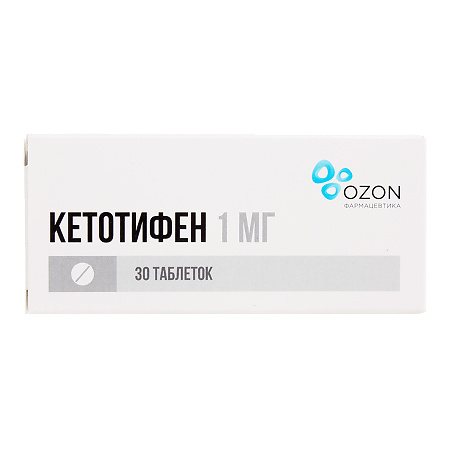
- Ketotifen is unusual in acting both as an H1 antihistamine and as a mast-cell stabilizer, giving it two complementary anti-allergic mechanisms in a single molecule.
- Its preventive effect in asthma builds slowly, often needing several weeks of daily use before the full benefit appears.
- Because it is chemically related to older sedating antihistamines and readily enters the brain, oral ketotifen can cause drowsiness, especially in the first weeks.
Mechanism
Ketotifen has a dual mechanism that sets it apart from simple antihistamines [1][4]. First, it acts at the H1 receptor, where it behaves as an , more precisely an inverse , blocking the effects of histamine that produce itching, redness, swelling, and increased mucus during an allergic response [4]. Second, it stabilizes mast cells, the immune cells that store and release and other mediators; by interfering with the intracellular signals, including calcium influx, that trigger degranulation, it reduces the release of these substances in the first place [1][4].
This mast-cell-stabilizing action places it alongside the cromones, such as sodium cromoglicate, but ketotifen differs from them by adding a direct antihistamine effect [4]. It has further anti-inflammatory and anti-allergic properties, including a functional antagonism of leukotrienes and interference with the production of inflammatory cytokines and adhesion molecules, which contribute to its usefulness in allergic disease [2]. Because it is structurally related to older sedating antihistamines and readily enters the brain, oral ketotifen can cause drowsiness, particularly in the first weeks of treatment [1]. Its preventive effect in asthma builds gradually, generally requiring several weeks of regular use before the maximum benefit is seen [1].
receptor fingerprint
H1 receptorantagonist
Mast cell membranemodulates
Eosinophil recruitmentblocks
Leukotriene and PAF releaseblocks
Beta-2 adrenoceptor downregulationmodulates
Dosingtypical ranges, not medical advice
interested in protocols and clinical dosages? make an account to see them! ^_^
Safetyrisks and cautions, not medical advice
Ketotifen eye drops are available over the counter and are generally very safe, with occasional eye stinging or headache. The oral form is usually prescription and commonly causes drowsiness, dry mouth, weight gain and increased appetite, partly from its antihistamine and anticholinergic effects. Because the oral form is sedating, it adds to the effects of alcohol and other sedatives. It prevents symptoms rather than relieving an acute asthma attack.
History
Ketotifen was developed by the Swiss pharmaceutical company Sandoz and introduced in the 1970s as an antihistamine with an additional mast-cell-stabilizing action, an uncommon combination in a single molecule. Taken by mouth, it was used to help prevent the symptoms of asthma and other allergic disorders, its benefit building gradually over several weeks of regular use. Structurally related to older sedating antihistamines, it readily enters the brain, which accounts for the drowsiness that can accompany oral therapy, particularly in the first weeks.
The compound found a second and enduring role in ophthalmology as an eye-drop formulation, marketed under names such as Zaditor and Zaditen, for the rapid relief of itching in allergic conjunctivitis; low-strength versions later became available over the counter. Its dual mechanism, blocking the H1 histamine receptor while also preventing mast cells from releasing their inflammatory cargo, places it at the intersection of the antihistamines and the cromone mast-cell stabilizers. It remains a familiar and widely used anti-allergic agent.
Reputation
Ketotifen is well liked for combining two useful anti-allergic actions in one molecule, and its ophthalmic form in particular has become a trusted, fast-acting remedy for the itch and redness of allergic conjunctivitis. By both blocking the H1 histamine receptor and stabilizing mast cells so they release fewer inflammatory mediators, it addresses an allergic reaction from two directions at once, which reviewers of ocular allergy therapy count among its notable strengths.
As eye drops it is convenient, widely available, and gentle enough for over-the-counter use in many markets. Taken orally for asthma and allergic disease, it offers preventive benefit, though patients should know that this effect accumulates gradually and that the oral form can cause drowsiness early in treatment because it crosses into the brain. Balanced against these modest caveats, it is a versatile and dependable option for allergic symptom control.
Subjective profileweighing the evidence above
The eye drops are an easy recommendation for itchy allergic eyes, cheap and available over the counter. The oral form is a slow preventive rather than a rescue and takes weeks to build, and the early drowsiness plus appetite increase are why not everyone sticks with it.
Where to buy
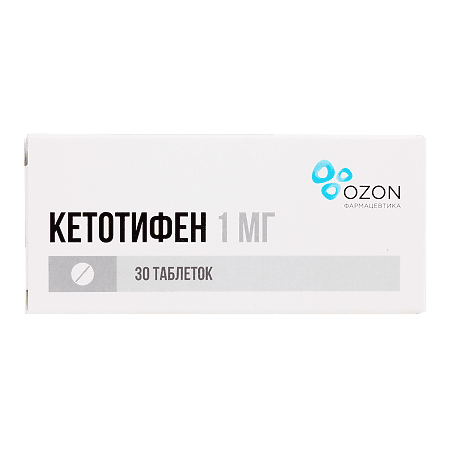
1 other outlet

Suppliers
Vendors carrying Ketotifen, with live product details and codes. Links are affiliate links that support the wiki at no cost to you.
PCT.Zone
Ketotifen
RUPharma🌐
Ketotifen
Research
- 1990first citedKetotifen: A review of its pharmacodynamic and pharmacokinetic properties, and therapeutic use…
- 2015meta-analysisTopical antihistamines and mast cell stabilisers for treating seasonal and perennial allergic c…
- 2025most recentNano-spanlastics-loaded dissolving microneedle patches for ketotifen fumarate: advanced strateg…
- 1.Ketotifen: A review of its pharmacodynamic and pharmacokinetic properties, and therapeutic use in asthma and allergic disorders
- 2.Immunomodulators for conjunctivitis
- 3.Topical antihistamines and mast cell stabilisers for treating seasonal and perennial allergic conjunctivitis.
- 4.Membrane stabilizers (chromones and ketotifen)
- 5.Nano-spanlastics-loaded dissolving microneedle patches for ketotifen fumarate: advanced strategies for allergic conjunctivitis treatment and molecular insights
5 listed here; entry last updated August 2026
Reviews
My notesprivate to this device
FAQ
Do ketotifen eye drops cause drowsiness?
The eye drops act locally and rarely cause sleepiness, but the oral form commonly causes drowsiness.
How fast do the eye drops work?
They can relieve itchy, allergic eyes within minutes and the effect lasts many hours.
Is it a rescue treatment for asthma?
No. The oral form is used to prevent symptoms over time and does not relieve an acute attack.
Can children use it?
Yes, the eye drops and oral forms are used in children at adjusted doses; follow the label or your clinician.
Is it available without a prescription?
The allergy eye drops are sold over the counter in many countries; the oral form is usually prescription.
Adverse effects
- Oral use can cause drowsiness, especially in the first weeks of treatment
- Weight gain occurs in a minority of people taking it by mouth
- The eye drops may cause brief stinging or eye irritation
- Its preventive effect in asthma builds slowly over several weeks