
spec sheet10 rows
Lisinopril + hydrochlorothiazide is a fixed-dose combination medication that pairs an ACE inhibitor with a thiazide diuretic in a single tablet to treat high blood pressure. Lisinopril relaxes blood vessels by blocking the angiotensin-converting enzyme, while hydrochlorothiazide helps the kidneys remove excess salt and water. Combining the two lowers blood pressure more than either alone and is typically used when a single drug is not enough. It is sold under brand names such as Zestoretic and Prinzide.
- Lowers blood pressure more than either drug alone
- Two mechanisms working together in a single tablet
- The two halves partly offset each other's potassium effects
- Kidney protection in diabetes and proteinuria
- Reduces stroke and heart risk over time
- A sensible, cheap workhorse when one drug is not enough
- Dizziness from lower blood pressure
- Dry cough
- Low or high potassium
Overview
Lisinopril + hydrochlorothiazide is a combination antihypertensive that brings together two established blood-pressure drugs from different classes in one pill. Lisinopril is an angiotensin-converting enzyme (ACE) inhibitor, which lowers blood pressure by reducing production of a hormone that constricts blood vessels. Hydrochlorothiazide is a thiazide diuretic, or water pill, that acts on the kidneys to increase the excretion of sodium and water; it has been used since the late 1950s and is largely eliminated unchanged in the urine [1]. Marketed under names such as Zestoretic and Prinzide, the combination is a prescription medicine taken by mouth.
Fixed-dose combinations like this one exist because high blood pressure often needs more than a single medicine to control, and combining drugs with different mechanisms produces a larger effect while simplifying treatment into one daily tablet. Analyses of many trials have shown that the blood-pressure-lowering effects of different drug classes add together, so that pairing agents from two classes at modest doses gives a greater reduction than raising the dose of either one; combining drugs at lower doses also tends to keep side effects lower than pushing a single drug to its maximum [3]. Reducing a patient's daily pill count can improve how reliably the medicine is taken.
The two ingredients are well matched. Thiazide diuretics like hydrochlorothiazide tend to lower blood potassium, whereas ACE inhibitors like lisinopril tend to raise it, so combining them helps balance potassium levels and offsets a common drawback of diuretic therapy. Both classes are supported by strong outcome evidence: a Cochrane review of first-line hypertension drugs found that low-dose thiazides reduce deaths, strokes, and heart disease, and that ACE inhibitors also lower these risks [2].
The combination is used for hypertension, generally as a step up when blood pressure remains high on a single agent, and sometimes as an initial treatment when a substantial reduction is needed. It is not usually the first medicine tried in a newly diagnosed patient, and the individual doses of each component may be adjusted before a fixed combination is chosen. Controlling blood pressure with such regimens lowers the long-term risk of stroke, heart attack, heart failure, and kidney damage.
Because it contains two drugs, the combination carries the side effects of both. From the lisinopril component come a dry cough, the possibility of raised potassium, and, rarely, angioedema, a dangerous swelling of the face or throat; from the hydrochlorothiazide component come the risk of low potassium and sodium, raised blood sugar and uric acid that can trigger gout, and increased sensitivity to sunlight. Both drugs can cause dizziness from lowered blood pressure. Like all ACE inhibitors, it must be avoided during pregnancy, and kidney function and electrolytes are usually monitored during treatment.
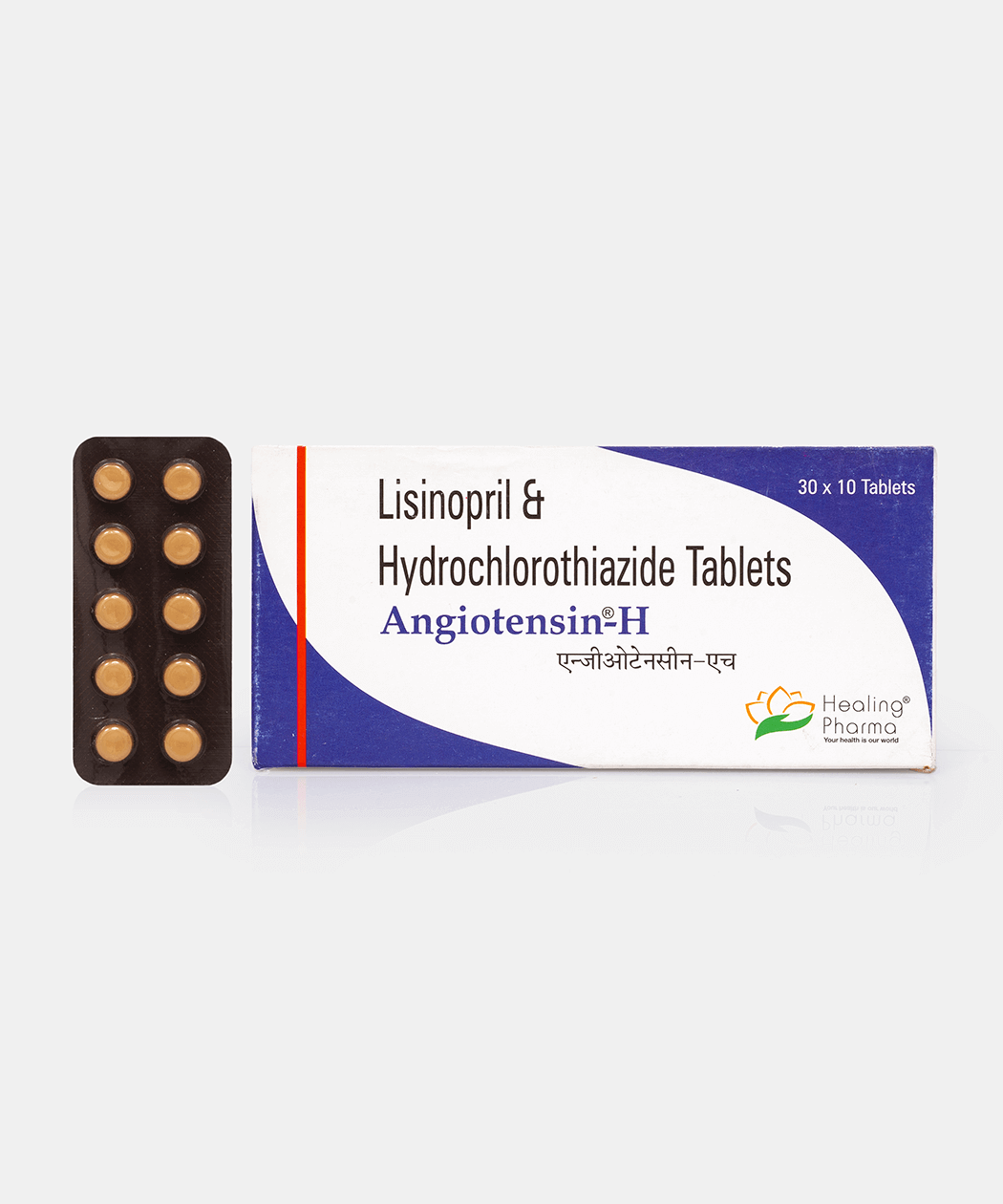
- Unlike most ACE inhibitors, lisinopril is not a prodrug; it is active as swallowed and does not need to be converted by the liver, which sets it apart from relatives such as enalapril and ramipril.
- The entire ACE inhibitor class traces back to research on the venom of the Brazilian pit viper Bothrops jararaca, whose peptides were found to block the angiotensin-converting enzyme.
- Hydrochlorothiazide has been in continuous clinical use since around 1959, making it one of the longest-serving blood pressure medicines in the fixed-dose tablet.
Mechanism
The two components lower blood pressure through separate but complementary routes. Lisinopril inhibits the angiotensin-converting enzyme, cutting the production of angiotensin II, a hormone that narrows blood vessels and drives the retention of salt and water; with less angiotensin II, vessels relax and the body sheds sodium and fluid, and less aldosterone is released [2].
Hydrochlorothiazide works directly on the kidney, blocking the sodium-chloride cotransporter in a segment of the tubule called the distal convoluted tubule; this prevents some sodium from being reabsorbed, so more sodium and water leave in the urine and blood volume falls [1]. The diuretic tends to lower potassium while the ACE inhibitor tends to conserve it, so the two effects partly cancel out. Because the drugs act at different points, their blood-pressure-lowering effects are additive, which is the basis for combining them [3].
receptor fingerprint
Angiotensin-converting enzyme (ACE)inhibits
Sodium-chloride cotransporter (NCC)inhibits
Renin-angiotensin-aldosterone systemmodulates
Aldosterone releasemodulates
Bradykinin metabolisminhibits
Plasma volume and preloadmodulates
Safetyrisks and cautions, not medical advice
This combination is prescription only and carries a boxed warning against use in pregnancy, since ACE inhibitors can harm or kill the developing fetus. Common side effects include dizziness, a dry nagging cough from the ACE inhibitor, and increased urination early on. The thiazide can push sodium and potassium low, raise blood sugar, uric acid, and calcium, and cause sun sensitivity, while the ACE inhibitor tends to raise potassium, so the net effect on potassium varies and should be checked. A rare but serious ACE inhibitor reaction is angioedema, swelling of the face, lips, or throat, which needs emergency care. It should be avoided in people with a history of ACE inhibitor angioedema, anuria, or sulfonamide allergy, and used cautiously with potassium supplements, NSAIDs, lithium, or aliskiren.
History
The combination brings together two medicines with independent and well documented origins. Hydrochlorothiazide, the older partner, was developed by Merck chemists in the late 1950s and reached clinical use around 1959, quickly becoming the prototype thiazide diuretic. Lisinopril arose from the second generation of angiotensin-converting enzyme inhibitors; developed by Merck as a lysine analogue of enalaprilat, it was introduced in the late 1980s under the names Prinivil and Zestril, and was notable for being water soluble and active without the liver activation that most other ACE inhibitors require.
Once each component was established, the fixed-dose tablet was formulated to simplify treatment for patients who needed more than one agent, and it entered the market around 1989 under brand names including Zestoretic and Prinzide. Combining an ACE inhibitor with a thiazide became a widely endorsed strategy because the two lower blood pressure through complementary routes and because the ACE inhibitor blunts the potassium loss and reflex hormone activation that the diuretic would otherwise cause. Today the pairing is available as an inexpensive generic and remains a common step when a single drug proves insufficient.
Reputation
Lisinopril plus hydrochlorothiazide enjoys a solid reputation as a dependable, affordable workhorse of blood pressure management. Clinicians value the logic of the pairing; the ACE inhibitor relaxes vessels and protects the kidneys and heart, while the diuretic reduces fluid volume, and each offsets some of the other's drawbacks, so the two together usually lower pressure more than either alone. A retrospective study of 270 patients found average reductions of roughly 33 mmHg systolic and 17 mmHg diastolic, consistent with earlier reports.
It is convenient as a single daily tablet, which supports adherence, and both ingredients have decades of real-world use behind them. Honesty requires noting its limits; lisinopril can cause a dry cough or, rarely, angioedema, the thiazide can shift electrolytes and uric acid, and the combination is not appropriate in pregnancy. For many people with hypertension, however, it offers a well-balanced and time-tested option.
Subjective profileweighing the evidence above
A sensible, cheap workhorse when one blood pressure drug is not enough, and the two halves partly offset each other's potassium effects. The boxed pregnancy warning is absolute. Expect a dry cough in a minority, and keep an eye on electrolytes, uric acid and blood sugar.
Where to buy
Suppliers
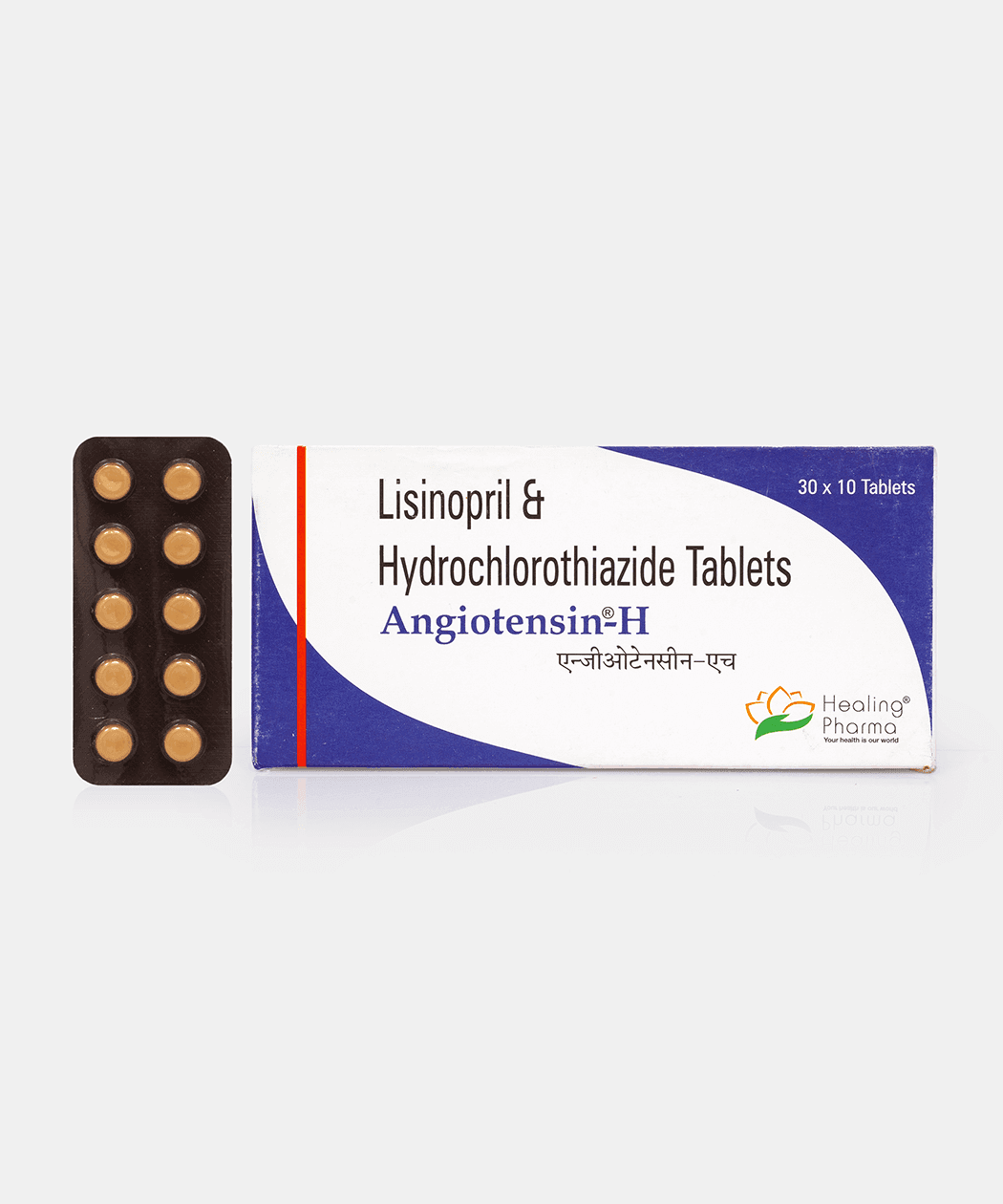
Vendors carrying Lisinopril + Hydrochlorothiazide, with live product details and codes. Links are affiliate links that support the wiki at no cost to you.
PCT.Zone
Lisinopril + Hydrochlorothiazide
Research
- 1976first citedAbsorption, metabolism, and excretion of hydrochlorothiazide.
- 2018most recentFirst-line drugs for hypertension.
- 1.Absorption, metabolism, and excretion of hydrochlorothiazide.
- 2.First-line drugs for hypertension.
- 3.Value of low dose combination treatment with blood pressure lowering drugs: analysis of 354 randomised trials.
- 4.Treatment of Hypertension with Combination of Lisinopril/Hydrochlorothiazide
4 listed here; entry last updated August 2026
Reviews
My notesprivate to this device
FAQ
Why combine two blood pressure drugs?
They lower pressure through different routes, so together they work better than either alone and let each be used at a lower dose with fewer side effects.
Will it make me pee a lot?
The water pill part increases urination, most noticeably in the first days to weeks. Taking it in the morning helps avoid nighttime trips to the bathroom.
What is the dry cough about?
ACE inhibitors like lisinopril let bradykinin build up, which can cause a tickly dry cough in some people. If it is bothersome, a doctor may switch you to an ARB.
Can I take it while pregnant?
No. It carries a boxed warning because ACE inhibitors can seriously harm a developing baby. Tell your doctor right away if you are pregnant or planning to be.
Do I need blood tests on it?
Yes. Your doctor will check kidney function and electrolytes like potassium and sodium after starting or changing the dose, since the two drugs pull those in different directions.
Adverse effects
- Dizziness from lower blood pressure
- Dry cough
- Low or high potassium
- Raised blood sugar or uric acid, which can trigger gout
- Increased sensitivity to sunlight
- Rarely, swelling of the face or throat (angioedema)