
spec sheet12 rows
Evening primrose oil is a fixed oil pressed from the seeds of Oenothera biennis, a North American wildflower whose blooms open at dusk. It is mostly linoleic acid (~65-75%) plus roughly 8-10% gamma-linolenic acid (GLA), an omega-6 fatty acid that is uncommon in the diet. GLA is the reason people take it; the body elongates GLA into dihomo-gamma-linolenic acid (DGLA), the precursor to the anti-inflammatory prostaglandin E1. It is used mainly for cyclical breast pain, PMS, skin/eczema, and menopausal symptoms.
- One of the few dietary sources of gamma-linolenic acid
- Pressed from the seeds of a North American wildflower
- Body converts GLA into DGLA, precursor to prostaglandin E1
- Cheap, safe and gentle enough for daily long term use
- A gentle GLA source for dry, reactive skin
- Popular for cyclical breast tenderness and PMS support
- Mild GI upset, nausea, or softening stools (dose-related)
- Headache
- Theoretical lowering of seizure threshold, especially with phenothiazine antipsychotics
Overview
Evening primrose oil is a fixed oil pressed from the seeds of Oenothera biennis, a North American wildflower whose yellow blooms open at dusk. It is composed mostly of linoleic acid, at roughly 65 to 75 percent, plus about 8 to 10 percent gamma-linolenic acid (GLA), an omega-6 fatty acid that is uncommon in the everyday diet. GLA is the reason the oil is taken as a supplement rather than a culinary fat; its concentration is modest compared with borage (starflower) and blackcurrant seed oils, which supply roughly 18 to 24 percent GLA. Indigenous peoples of North America used the whole plant long before the oil was commercialized in the twentieth century.
The proposed mechanism centers on GLA as a short-cut into the anti-inflammatory branch of omega-6 metabolism. The body normally converts dietary linoleic acid to GLA through delta-6-desaturase, a step that is slow and readily throttled by age, alcohol, high sugar intake, and stress; supplying GLA directly bypasses that bottleneck. GLA is then elongated to dihomo-gamma-linolenic acid (DGLA), which can be converted by cyclooxygenase to prostaglandin E1, a vasodilating and platelet-calming mediator, while also competing with arachidonic acid for the same enzymes and thereby tempering the more pro-inflammatory series-2 prostaglandins and leukotrienes. The linoleic acid fraction feeds skin-barrier ceramides, which forms the rationale for its use in dry and atopic skin.
The controlled evidence is modest and, in the best trials, largely null. A systematic review of premenstrual syndrome trials concluded that evening primrose oil is of little value overall, with the two most rigorous studies showing no benefit [1]. For eczema, the 2013 Cochrane review found oral evening primrose oil no better than placebo [2], a conclusion at odds with an earlier meta-analysis of the standardized Efamol brand in atopic eczema that had reported benefit [3]. Older multicenter work using purified GLA suggested improved nerve conduction in mild diabetic neuropathy [4], but this remains an emerging and dated finding. A meta-analysis of mastalgia trials found the oil performing about on par with placebo for cyclical breast pain [5], and a systematic review and meta-analysis of menopausal hot flashes likewise showed no clear advantage [6].
Evening primrose oil is sold as a dietary supplement rather than an approved drug, and it is generally very well tolerated; the most common complaints are mild gastrointestinal upset, nausea, softening stools, and headache, usually dose-related. Cautions include a theoretical lowering of seizure threshold, historically flagged for people with epilepsy and those taking phenothiazine antipsychotics, and a mild antiplatelet effect that is additive with blood thinners and high-dose fish oil, warranting discontinuation before surgery. As an omega-6 oil it is prone to oxidation, so rancid product is pro-inflammatory and self-defeating; use in pregnancy is generally discouraged without clinical direction. Overall it sits in the cheap, safe, low-ceiling category: a gentle GLA source rather than a proven treatment.

- The plant is named for its habit of opening its yellow flowers in the evening, and it is native to North America, where Indigenous peoples used the whole plant long before the oil was commercialized.
- The seeds are tiny and the GLA content is only ~8-10%, which is why borage (starflower) oil and blackcurrant seed oil, at ~18-24% GLA, are more concentrated sources.
- Most of the classic clinical trials used a single standardized brand, Efamol, which is partly why results are hard to generalize to random drugstore softgels.
- GLA is genuinely rare in the everyday diet; outside of a few seed oils and oats/barley in trace amounts, you basically don't get it from food.
Mechanism
GLA is a short-cut into the anti-inflammatory branch of omega-6 metabolism. Normally the body has to convert dietary linoleic acid to GLA using delta-6-desaturase, a step that is slow and easily throttled by age, alcohol, high sugar, and stress. Evening primrose oil supplies GLA directly, bypassing that bottleneck. The GLA is then elongated to dihomo-gamma-linolenic acid (DGLA), which does two useful things: it can be converted by cyclooxygenase to prostaglandin E1 (PGE1), a vasodilating, anti-inflammatory, platelet-calming mediator, and DGLA also competes with arachidonic acid for the same enzymes, tempering production of the more pro-inflammatory series-2 prostaglandins and leukotrienes. The linoleic acid fraction also feeds skin-barrier ceramides, which is the rationale behind the eczema and dry-skin use even though the controlled trials there are underwhelming.
receptor fingerprint
Delta-6-desaturase bottleneckBypasses it by supplying GLA directly
Prostaglandin E1 (via DGLA)Provides substrate for PGE1 synthesis
Arachidonic acid pathwayDGLA competes for COX/LOX enzymes
Epidermal barrier lipidsSupplies linoleic acid for ceramide synthesis
Peripheral nerve microvascular flowPGE1-mediated vasodilation and membrane fatty-acid changes
Dosingtypical ranges, not medical advice
interested in protocols and clinical dosages? make an account to see them! ^_^
Safetyrisks and cautions, not medical advice
Generally very well tolerated; the most common complaints are mild GI upset, nausea, softening stools, and headache, usually dose-related. The classic caution is seizure threshold: older case reports linked GLA-rich oils to lowering seizure threshold, so people with epilepsy, and anyone on phenothiazine antipsychotics, are usually told to avoid it or clear it with a doctor. Because PGE1 has mild antiplatelet activity, stack it carefully with blood thinners (warfarin, clopidogrel, high-dose fish oil) and stop it about two weeks before surgery. Avoid in pregnancy unless a clinician directs it; evidence on labor is mixed and some data suggest no benefit or possible harm. It is an omega-6 oil, so it can go rancid; oxidized oil is pro-inflammatory and defeats the purpose. Not a substitute for any prescribed treatment.
Subjective profileweighing the evidence above
This one sits in the "cheap, safe, low-ceiling" bucket. The honest read of the evidence is modest at best: the best-controlled PMS and eczema trials didn't beat placebo, menopause data is a wash, and even the mastalgia meta-analysis shows it working about as well as placebo. Where it earns a spot is as a gentle GLA source for people with dry, reactive skin or cyclical breast tenderness who tolerate it well; just go in expecting a nudge, not a fix, and give it 6-8 weeks before you judge. If you want it for a specific inflammatory or nerve issue, borage oil is a more concentrated GLA source and fish oil is a better-evidenced anti-inflammatory.
Where to buy
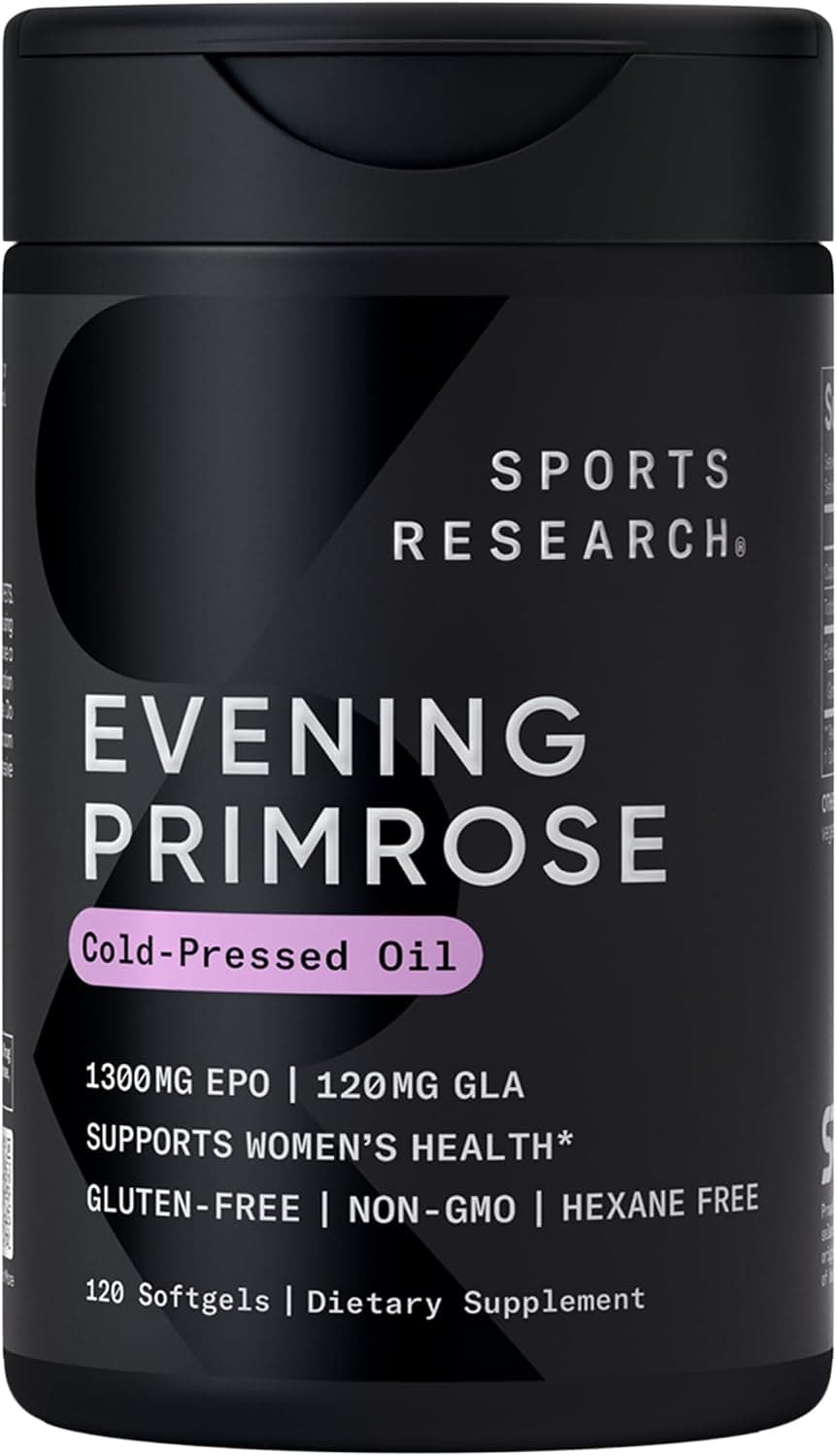
Suppliers
Vendors carrying Evening Primrose, with live product details and codes. Links are affiliate links that support the wiki at no cost to you.
Amazon
Evening Primrose
Research
- 1993first citedTreatment of diabetic neuropathy with gamma-linolenic acid. The gamma-Linolenic Acid Multicente…
- 1996meta-analysisIs evening primrose oil of value in the treatment of premenstrual syndrome?
- 2024most recentEvening Primrose Oil for Menopause Hot Flashes: Systematic Review and Meta-Analysis
- 1.Is evening primrose oil of value in the treatment of premenstrual syndrome?
- 2.Oral evening primrose oil and borage oil for eczema
- 3.A meta-analysis of randomized, placebo-controlled clinical trials of Efamol evening primrose oil in atopic eczema. Where do we go from here in light of more recent discoveries?
- 4.Treatment of diabetic neuropathy with gamma-linolenic acid. The gamma-Linolenic Acid Multicenter Trial Group
- 5.A Systematic Review and Meta-Analysis of the Efficacy of Evening Primrose Oil for Mastalgia Treatment
- 6.Evening Primrose Oil for Menopause Hot Flashes: Systematic Review and Meta-Analysis
6 listed here; entry last updated August 2026
Reviews
My notesprivate to this device
FAQ
Is it actually proven to work for PMS?
Honestly, no, not at the group level. The best systematic review of the controlled trials concluded evening primrose oil is of little value for PMS overall, with the two most rigorous studies showing no benefit. Some individuals report help with breast tenderness specifically, which is plausible, but don't expect it to touch mood or bloating.
What about eczema and dry skin?
The 2013 Cochrane review found oral evening primrose oil no better than placebo for eczema. The skin-barrier rationale is real, and some people with dry, reactive skin like it, but the controlled evidence doesn't support it as a treatment. Manage expectations.
How is it different from fish oil?
Fish oil is omega-3 (EPA/DHA); evening primrose is omega-6 (GLA). They feed different but overlapping anti-inflammatory pathways. If you want one anti-inflammatory oil with stronger evidence, fish oil wins. GLA is more of a niche add-on, often paired with fish oil to keep the omega-6/3 balance sensible.
Borage oil or evening primrose?
Borage (starflower) oil packs 2-3x the GLA per gram, so it's cheaper per milligram of GLA. Evening primrose has the longer trial history and the standardized-brand data. For pure GLA delivery, borage is more efficient; just watch sourcing since some borage contains pyrrolizidine alkaloids unless certified PA-free.
Can I take it if I have epilepsy?
Be cautious and ask your doctor first. Older reports associated GLA-rich oils with lowering seizure threshold, especially alongside phenothiazine medications, so it's a common contraindication even if the evidence is thin.
Adverse effects
- Mild GI upset, nausea, or softening stools (dose-related)
- Headache
- Theoretical lowering of seizure threshold, especially with phenothiazine antipsychotics
- Mild antiplatelet effect; additive with blood thinners and high-dose fish oil
Notes and cautions
- Rancidity/oxidation if stored poorly, which can be pro-inflammatory