
spec sheet11 rows
Epithalon (also called Epitalon), the pineal tetrapeptide Ala-Glu-Asp-Gly, is one of the most celebrated compounds in the longevity world for a striking reason: in human cells it reactivated the enzyme telomerase and lengthened telomeres, the protective caps whose erosion drives cellular aging [2]. Derived from a natural pineal gland extract, it also helps normalize melatonin and acts as an antioxidant and geroprotector [1][5]. For anyone serious about longevity peptides, Epithalon is a landmark, mechanistically fascinating molecule.
- Switches telomerase back on in human cells
- Lengthens the telomeres that cellular aging erodes
- Restores melatonin and resets the body clock
- Linked to lower mortality in elderly studies
- Tiny amounts carry outsized potency
- Improved thyroid output and immune cell counts
- Injection-site reactions are possible with reconstituted peptide
- Because it can activate telomerase, a theoretical concern about cancer risk has been raised and is not resolved
Overview
Epithalon, also written Epitalon or Epithalone, is a synthetic tetrapeptide with the sequence Ala-Glu-Asp-Gly (AEDG). It was designed by Vladimir Khavinson and colleagues at the St. Petersburg Institute of Bioregulation and Gerontology on the basis of the amino acid composition of Epithalamin, a peptide extract of the pineal gland, and the AEDG sequence was later confirmed to occur naturally within the pineal polypeptide complex [1][5]. It is the pineal-directed member of the Khavinson family of peptide bioregulators, and the pineal gland is the body's master clock for melatonin and circadian rhythm, which frames much of Epithalon's biology.
Over more than two decades Epithalon has been studied in cell culture, animals, and computational models, and reviews describe geroprotective, neuroendocrine, antioxidant, and antimutagenic effects [1]. Its most famous results are in cellular aging: added to human fibroblasts, the peptide switched on telomerase and elongated telomeres, and it allowed cells to divide well beyond their usual limit [2][3]. Other work reports that it normalizes melatonin synthesis, influences gene expression and immune function, and protects aging cells from oxidative damage [1][4][5][6].
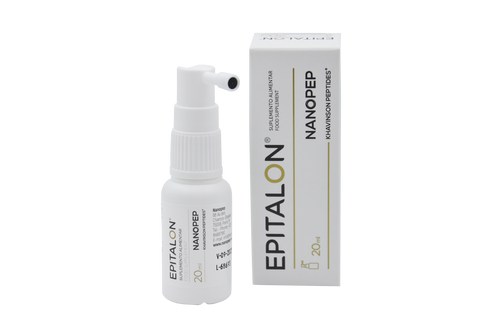
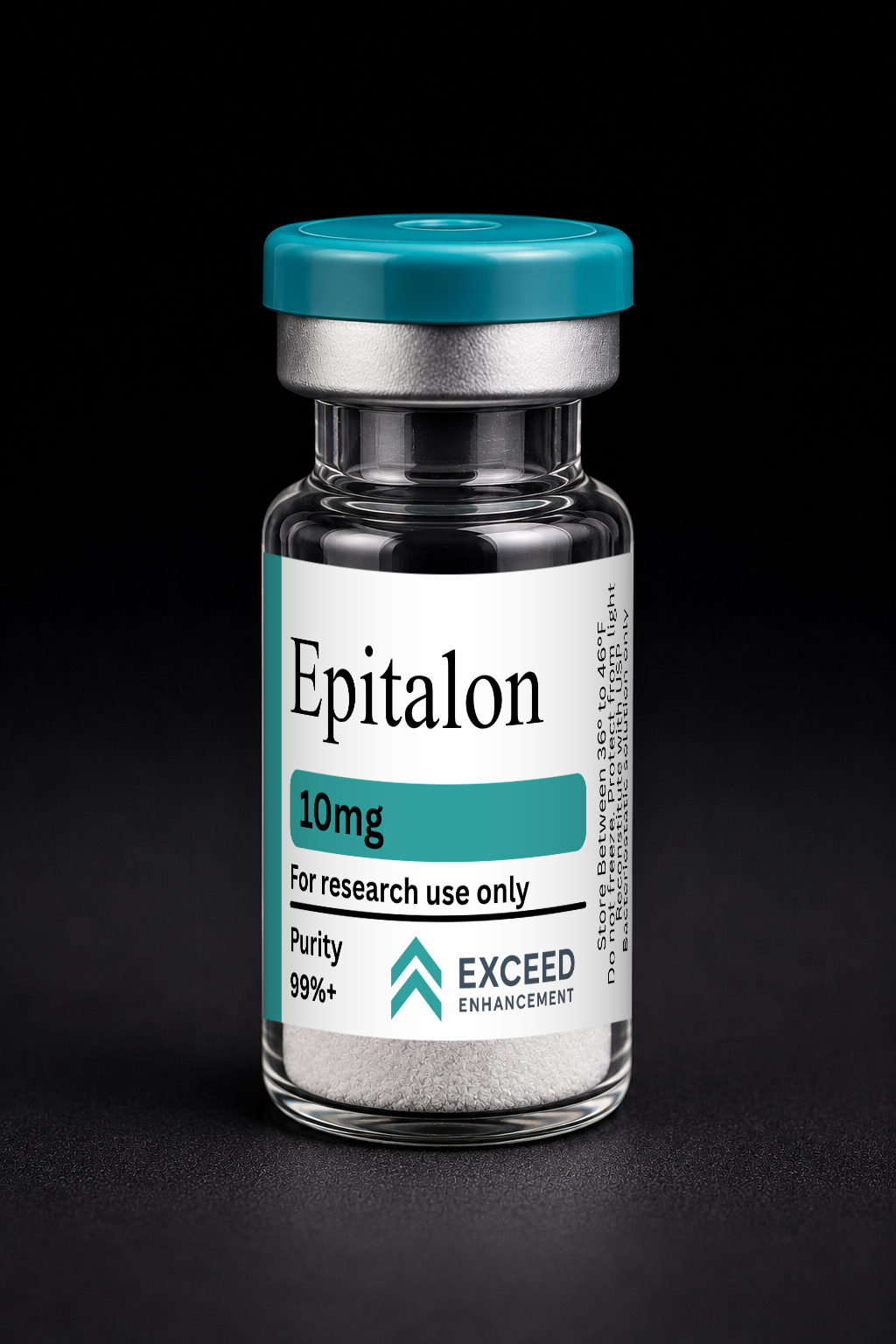
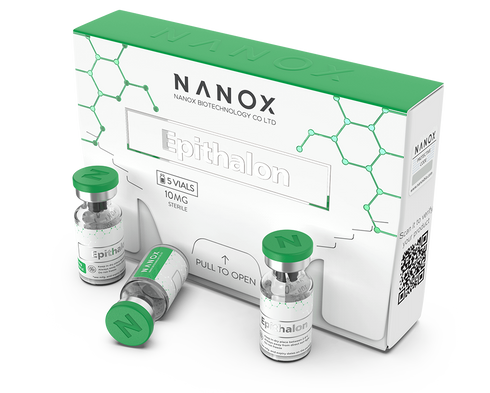
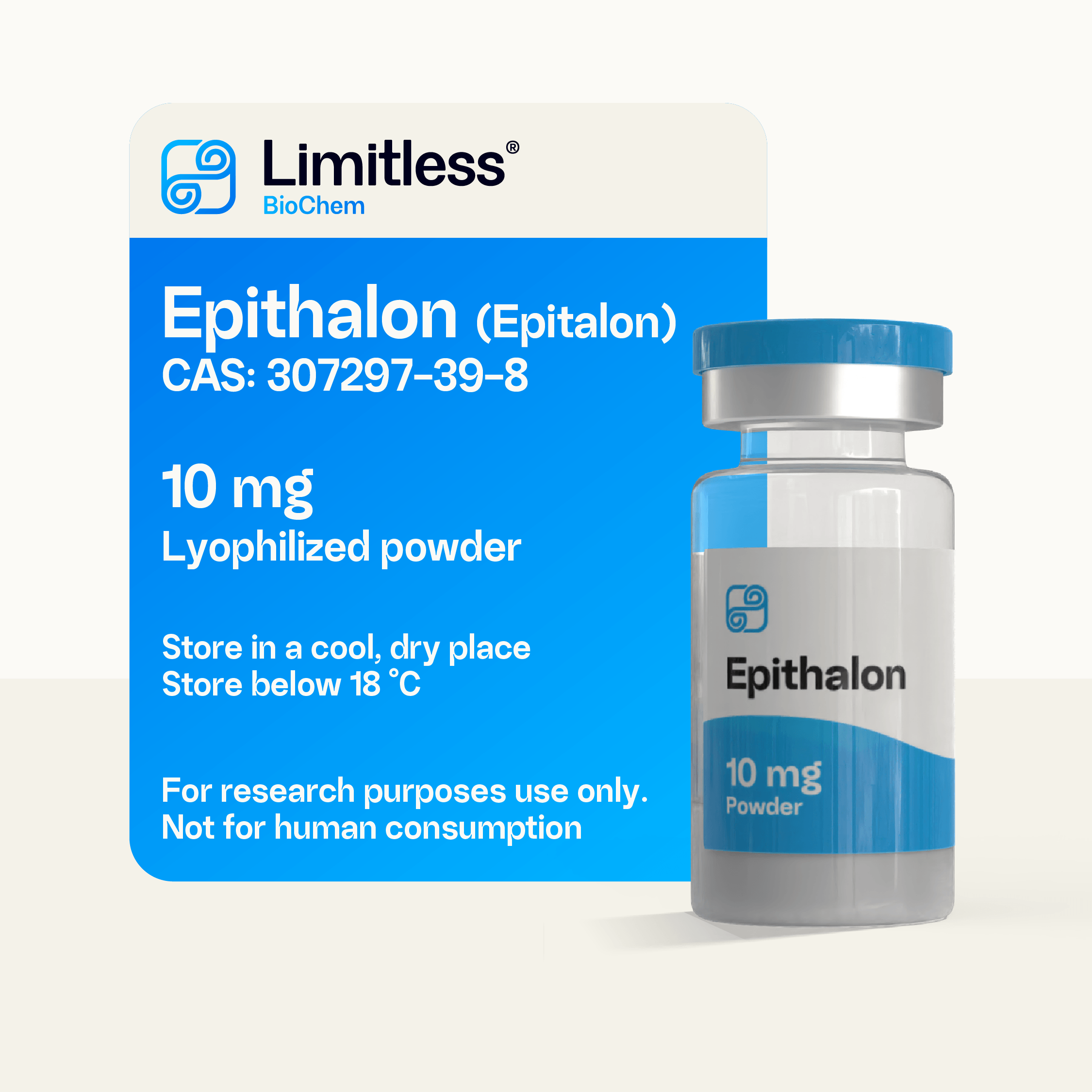
Epithalon is not an approved drug and is not a dietary supplement; it originates in Russian gerontological research and circulates internationally as a research peptide, usually supplied as a lyophilized powder for reconstitution. It has been detected as an active ingredient in unlicensed pharmaceutical preparations marketed for aging and other conditions, which reflects both its popularity and its unregulated status. Within longevity circles it is one of the most sought-after peptides, valued for its telomere and pineal-focused mechanisms.
- In cell studies Epithalon switched telomerase back on in human cells that normally lack it, and lengthened their telomeres.
- Treated fibroblasts made about ten extra divisions beyond the usual Hayflick limit before stopping.
Mechanism
Epithalon's signature mechanism is the reactivation of . Telomeres are the repetitive DNA caps on the ends of chromosomes that shorten with each cell division; when they grow too short, cells stop dividing and enter senescence, a core process of aging. In a landmark experiment, adding Epithalon to telomerase-negative human fetal fibroblasts induced expression of the catalytic subunit of telomerase, restored the enzyme's activity, and elongated the telomeres [2]. A follow-up study showed the functional payoff: treated cells overcame their normal division limit, making about ten extra population doublings beyond untreated controls, a direct challenge to the Hayflick limit that caps a cell's lifespan [3].
The 's second pillar is the pineal gland and its hormone melatonin. Epithalon was built from a pineal extract and has been shown to normalize melatonin synthesis, helping to restore the circadian and neuroendocrine signaling that degrades with age; the same activity underlies its studied benefits on reproductive aging and the hypothalamic control of hormones [5][6]. As an ultra-short it is thought to act at the level of gene regulation, and molecular modeling and cell studies indicate that it binds histone proteins associated with DNA and thereby tunes gene expression, for example increasing the expression of neuronal differentiation markers such as Nestin and GAP43 by roughly 1.6 to 1.8 times in human stem cells [4].
Layered on top of these are broad antioxidant and geroprotective actions. Epithalon reduces reactive oxygen species and supports function, effects demonstrated when it protected aging egg cells from oxidative and mitochondrial damage, and reviews credit it with antioxidant, antimutagenic, and stress-protective properties comparable in spirit to melatonin itself [1][6]. For the user, these mechanisms combine into Epithalon's reputation as a longevity : it targets telomere maintenance, restores pineal and melatonin signaling, and defends cells against oxidative aging, though it should be stressed that the most dramatic findings come from cell and animal studies rather than large human trials [1][2][3].
receptor fingerprint
activates
Melatonin / pineal functionrestores
Gene expression (AEDG )modulates
TERT geneactivates
Tumor suppressors STK11 / interferon gammaupregulates
HER-2/neu oncogenedownregulates
GDF11enhances
Antioxidant defenses (SOD, glutathione, ceruloplasmin)upregulates
Nestin / GAP43induces
Dosingtypical ranges, not medical advice
interested in protocols and clinical dosages? make an account to see them! ^_^
Safetyrisks and cautions, not medical advice
Epitalon has a notably clean toxicity record in the animal work; it has been tolerated at up to a thousand to five thousand times the human-equivalent dose without established toxicity, which is part of why it is such a popular longevity peptide. The main thing people actually notice is temporary agitation or feeling over-stimulated at higher intranasal doses, likely from waking up cortical activity, which settles when the dose comes down. The usual caveats hold; the deep human evidence traces mostly to Khavinson's lineage, long term data outside that are limited, and it is sold as a research peptide rather than an approved drug, so purity varies by source. Sensible to keep courses short and treat it as exploratory.
Reconstitutionarithmetic only, not dosing advice
arithmetic only; not medical or dosing advice.
History
Epithalon (also spelled Epitalon) is a synthetic tetrapeptide, Ala-Glu-Asp-Gly, developed by Vladimir Khavinson and colleagues at the St. Petersburg Institute of Bioregulation and Gerontology in Russia. It was derived from epithalamin, a peptide preparation extracted from the pineal gland, as part of a long Russian program on short regulatory peptides known as bioregulators. Its most celebrated milestone came in 2003, when Khavinson's group reported that adding the peptide to telomerase-negative human fetal fibroblasts induced expression of the telomerase catalytic subunit, restored enzyme activity, and elongated telomeres. A follow-up study in 2004 showed that treated cells overcame their normal division limit, making roughly ten extra population doublings, a striking challenge to the Hayflick limit.
Reputation
Epithalon is one of the most iconic and mechanistically fascinating molecules in the longevity world, largely because of the landmark finding that it reactivated telomerase and lengthened telomeres in human cells, touching the very machinery thought to drive cellular aging. Longevity enthusiasts also value its roots in pineal biology and its reported ability to normalize melatonin and act as an antioxidant and geroprotector. Its short, simple structure and long history in Russian gerontology research add to its mystique. It is important to be candid that the most dramatic results come from cell and animal experiments, with human evidence limited to smaller Russian studies rather than large controlled trials. With that caveat, its telomere biology alone makes it a genuine landmark peptide.
Subjective profileweighing the evidence above
The telomerase and melatonin findings are real, and this is one of the more interesting longevity peptides on the market, but the human evidence traces back almost entirely to a single research lineage. Whether reactivating telomerase is safe over years is still unanswered.
Where to buy


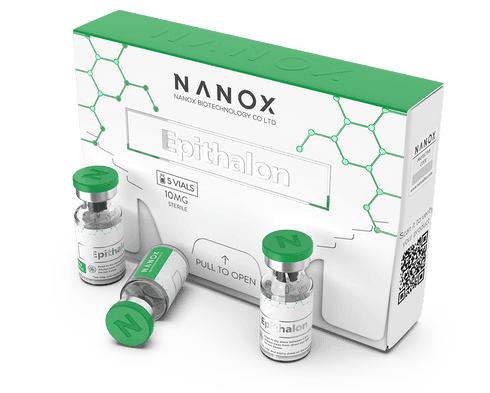


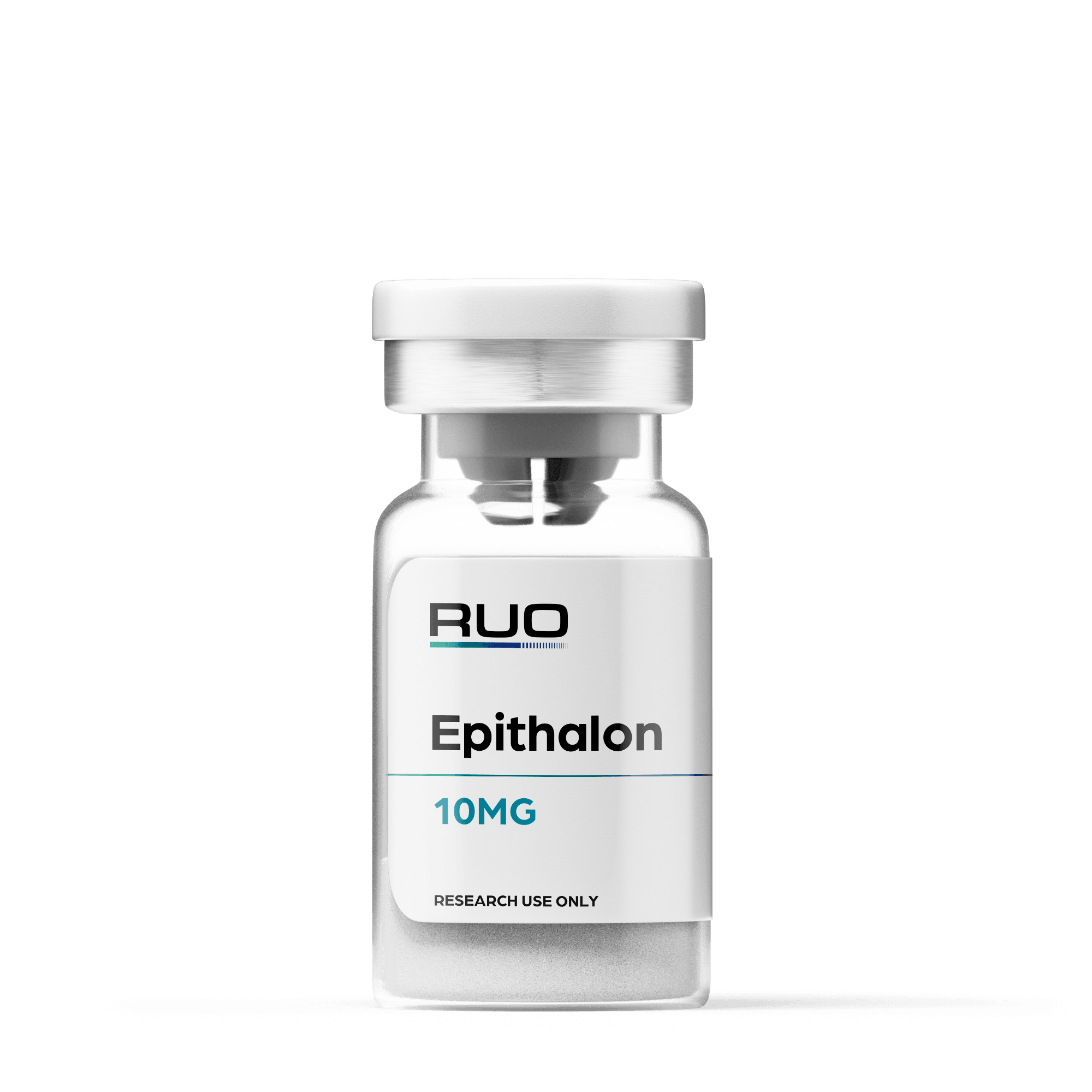
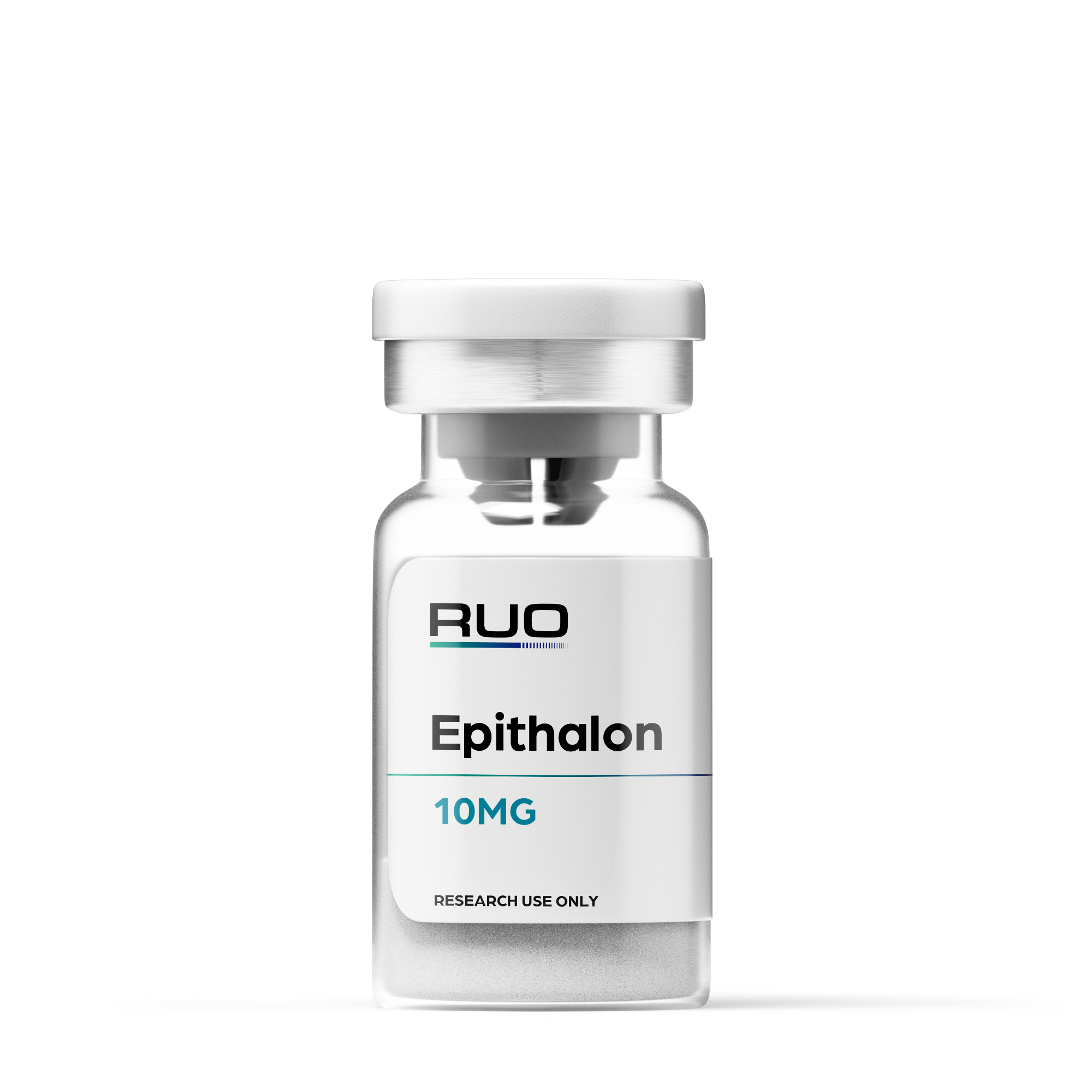
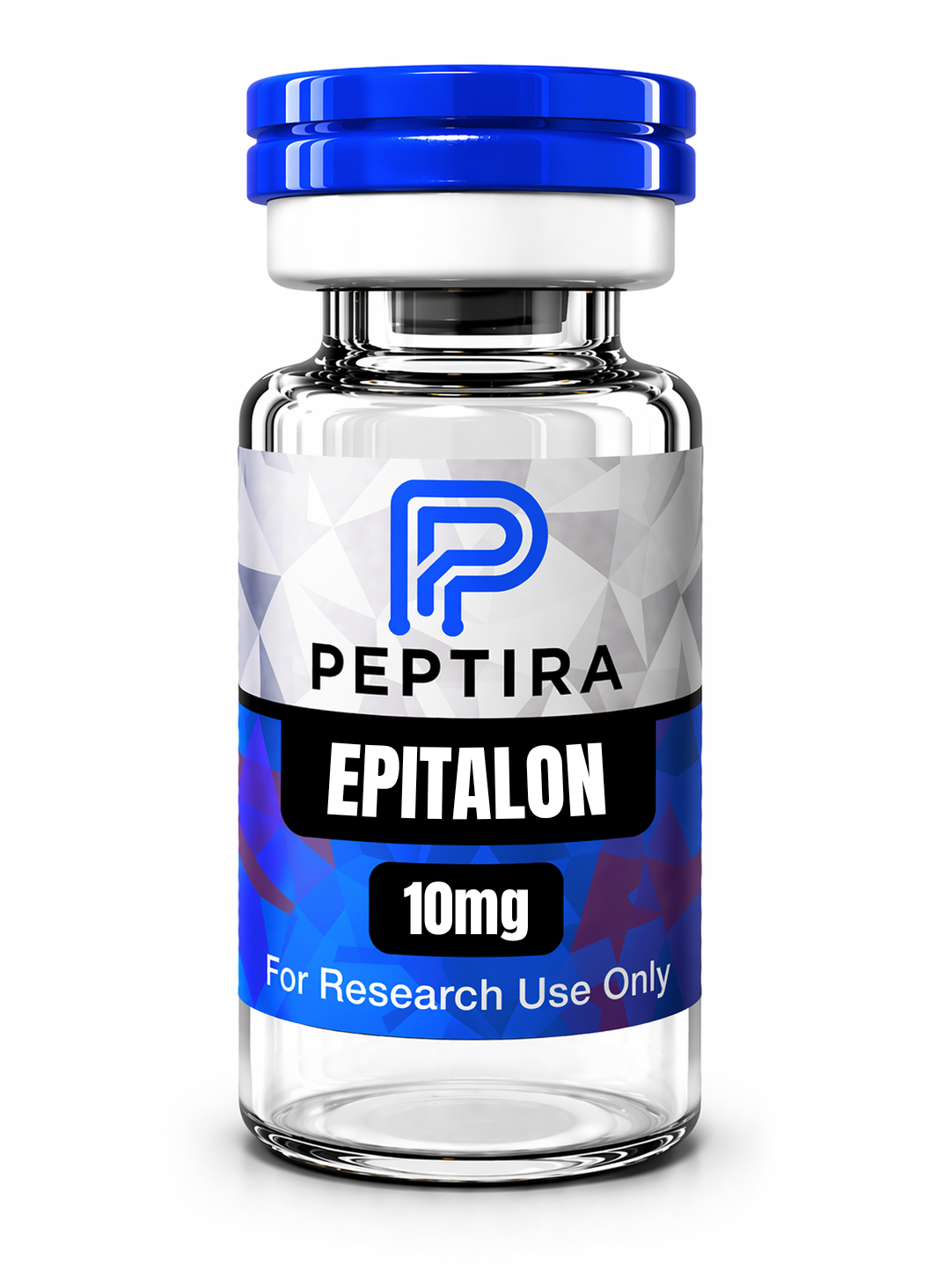
Suppliers
Vendors carrying Epithalon, with live product details and codes. Links are affiliate links that support the wiki at no cost to you.
| supplier | size | price | $/mg |
|---|---|---|---|
| Limitless Biochemlowest | 10mg | $37.45 | $3.75/mg |
| RUO | 10mg | $38.00 | $3.80/mg |

RUPharma🌐
Epitalon
Exceed Enhancement
Epitalon
RUPharma🌐
Epitalon
Kimera Chems
Epithalon
Limitless Biochem🌐
Epithalon
RUO
Epithalon
Peptira
Epitalon
Research
- 2003first citedEpithalon peptide induces telomerase activity and telomere elongation in human somatic cells
- 2025most recentOverview of Epitalon-Highly Bioactive Pineal Tetrapeptide with Promising Properties
- 1.Overview of Epitalon-Highly Bioactive Pineal Tetrapeptide with Promising Properties
- 2.Epithalon peptide induces telomerase activity and telomere elongation in human somatic cells
- 3.Peptide promotes overcoming of the division limit in human somatic cell
- 4.AEDG Peptide (Epitalon) Stimulates Gene Expression and Protein Synthesis during Neurogenesis: Possible Epigenetic Mechanism
- 5.Identification of Peptide AEDG in the Polypeptide Complex of the Pineal Gland
- 6.Epitalon protects against post-ovulatory aging-related damage of mouse oocytes in vitro.
6 listed here; entry last updated August 2026
Reviews
My notesprivate to this device
FAQ
What is Epithalon?
It is a short peptide related to the pineal gland, studied mainly in Russian research for aging and sleep.
What is it claimed to do?
It has been investigated for activating telomerase and influencing sleep and aging rhythms.
Is the evidence strong?
Human evidence is limited and mostly from smaller regional studies, so claims remain unproven.
How is it administered?
As a peptide, it is typically given by injection after reconstitution.
Limitations of the evidence
- Generally reported as well tolerated in the available studies, though rigorous human safety data are limited
Adverse effects
- Injection-site reactions are possible with reconstituted peptide
- Because it can activate telomerase, a theoretical concern about cancer risk has been raised and is not resolved
Notes and cautions
- Not evaluated or approved by Western drug regulators, and it has been found in unlicensed products