
spec sheet10 rows
Emtricitabine + Tenofovir Alafenamide Emtricitabine and tenofovir alafenamide is a fixed-dose combination of two antiretroviral drugs used to treat and to prevent HIV infection. Both are reverse-transcriptase inhibitors that block the enzyme HIV uses to copy its genetic material. Taken as a once-daily tablet and sold as Descovy, the combination has smaller effects on kidney function and bone density than an older tenofovir formulation.
- Treats and prevents HIV infection
- One tablet once daily, nothing else needed
- Crushes viral load and guards CD4 immune cells
- Gentler on kidneys than the older tenofovir form
- Gentler on bone density than the older tenofovir form
- Sold as Descovy, backed by strong clinical support
- Nausea, diarrhea, or headache
- Modest weight gain
- Higher blood cholesterol and triglycerides
Overview
This medicine pairs emtricitabine, a nucleoside reverse-transcriptase inhibitor (NRTI), with tenofovir alafenamide, a nucleotide reverse-transcriptase inhibitor that is a prodrug of tenofovir. Both belong to the backbone class of HIV drugs that interfere with reverse transcriptase. The combination is marketed as Descovy and also serves as the two-drug backbone of several complete single-tablet HIV regimens [2].
Tenofovir alafenamide is a newer prodrug of tenofovir designed to carry the active drug into cells at much lower blood concentrations than the older prodrug, tenofovir disoproxil fumarate (TDF). Because circulating tenofovir levels are far lower, tenofovir alafenamide produces smaller reductions in kidney function and bone mineral density. Phase 3 trials in previously untreated people with HIV showed that a tenofovir alafenamide-based regimen suppressed the virus as well as a TDF-based one while causing significantly less kidney and bone effect [2].
The emtricitabine and tenofovir alafenamide combination is used both to treat established HIV infection, as part of combination therapy, and to prevent HIV in people at risk, a strategy called pre-exposure prophylaxis (PrEP). In the DISCOVER trial, emtricitabine and tenofovir alafenamide was as effective as the older emtricitabine and TDF combination for PrEP [1]. For prevention it was approved only for certain routes of exposure, because it was not studied in people at risk through receptive vaginal sex [1][3].
The combination is generally well tolerated, and its main advantage over the TDF-based product is a more favorable bone and kidney safety profile, which can guide the choice between the two for an individual patient; a possible trade-off is a tendency toward modest weight gain and higher blood lipids with tenofovir alafenamide [3]. It is taken as a single once-daily tablet and is available on its own and within combined HIV regimens. Anyone considered for it as prevention must first be confirmed to be HIV-negative.
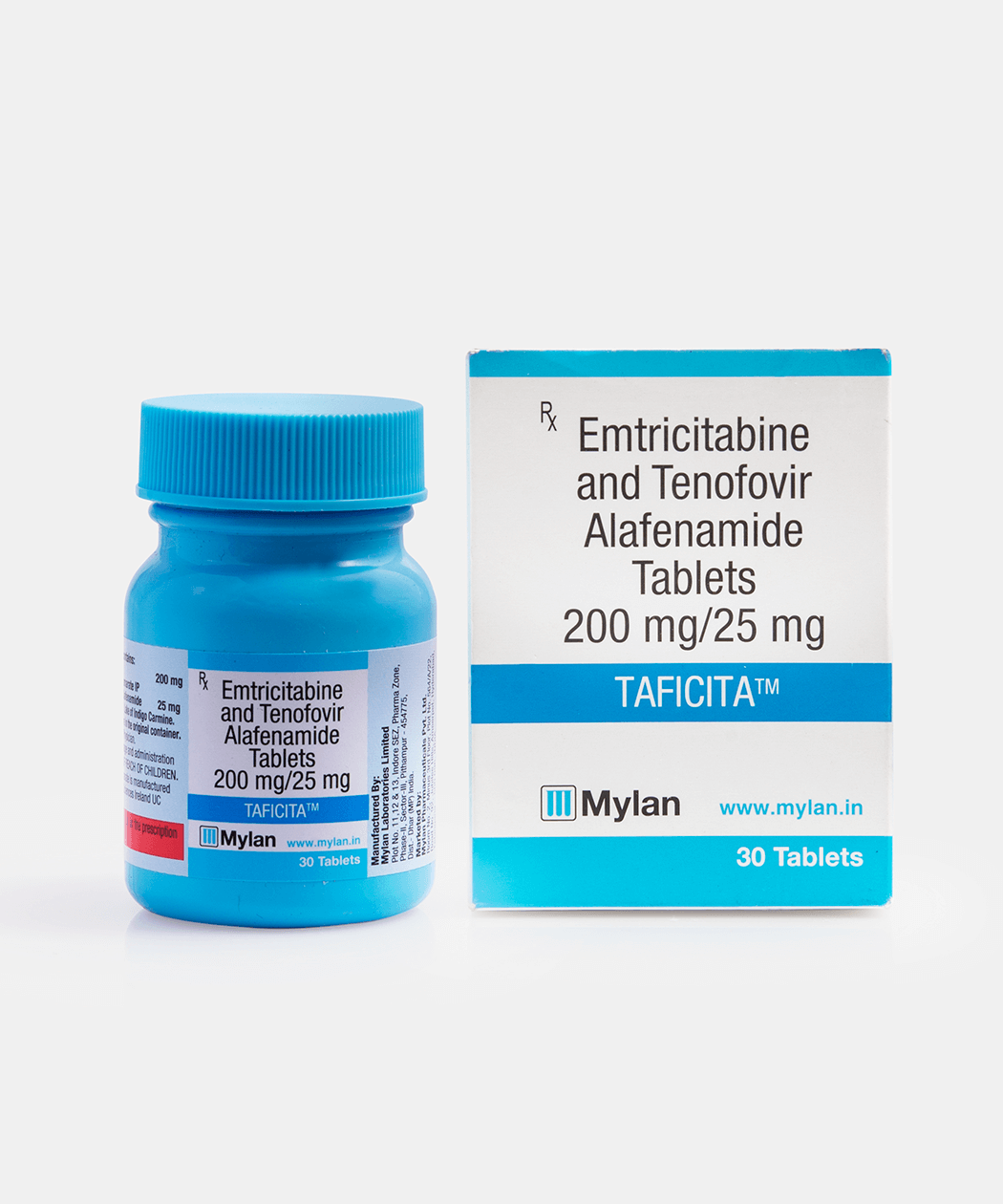
- The tenofovir alafenamide in Descovy is a redesigned prodrug that reaches its target cells at plasma levels roughly a tenth of those needed by the older tenofovir formulation.
- Lowering those blood levels is what lets it spare the kidneys and bones more than the earlier tenofovir disoproxil fumarate.
- Its 2019 approval for HIV prevention specifically excludes people at risk through receptive vaginal sex, because that population was not studied in the pivotal DISCOVER trial.
Mechanism
Both components act on reverse transcriptase, the viral enzyme that copies HIV's RNA into DNA so the virus can integrate into human cells. Emtricitabine and tenofovir are nucleoside and nucleotide analogues; once inside a cell they are converted to their active forms and are inserted by reverse transcriptase into the growing viral DNA strand. Because these analogues lack the chemical handle needed to attach the next building block, their incorporation stops DNA synthesis and halts viral replication [2].
Tenofovir alafenamide is a that stays stable in the bloodstream and is converted to active tenofovir mainly inside cells, which achieves effective intracellular drug levels at much lower plasma concentrations than tenofovir disoproxil fumarate; this is the reason it spares the kidneys and bones to a greater degree [2][3]. Used for prevention, sustaining these active drug levels in at-risk tissues blocks HIV from establishing an infection after an exposure [1].
receptor fingerprint
HIV-1 reverse transcriptaseinhibits
Emtricitabine triphosphate incorporationblocks
Tenofovir diphosphate incorporationblocks
Hepatitis B DNA polymeraseinhibits
Intracellular activation in lymphoid cellsmodulates
Dosingtypical ranges, not medical advice
interested in protocols and clinical dosages? make an account to see them! ^_^
Safetyrisks and cautions, not medical advice
This combination is prescription only and generally well tolerated. Common effects include nausea, headache, fatigue and diarrhea, and the tenofovir alafenamide form is associated with modest weight gain and small rises in cholesterol. Both drugs are active against hepatitis B, so stopping them abruptly in a coinfected person can trigger a severe liver flare. For PrEP, HIV-negative status must be confirmed before starting and tested regularly, since taking it with undiagnosed HIV can breed resistance. DISCOVER supported PrEP use in men and transgender women, but it was not studied for people at risk from receptive vaginal sex.
History
This fixed-dose combination pairs two reverse-transcriptase inhibitors, emtricitabine and tenofovir alafenamide, and was developed by Gilead Sciences, which markets it as Descovy. Its central advance is tenofovir alafenamide, a second-generation prodrug of tenofovir engineered to remain stable in the bloodstream and convert to its active form mainly inside cells; this achieves effective intracellular drug levels at far lower plasma concentrations than the older tenofovir disoproxil fumarate, which in turn spares the kidneys and bones.
The combination was first approved in 2016 as a backbone for HIV treatment regimens. In October 2019 the United States Food and Drug Administration approved it for HIV pre-exposure prophylaxis (PrEP) in at-risk adults and adolescents, excluding those at risk through receptive vaginal sex, a decision grounded in the large DISCOVER trial reported by Mayer and colleagues in The Lancet in 2020, which found it non-inferior to the established emtricitabine-tenofovir disoproxil fumarate regimen for HIV prevention.
Reputation
Emtricitabine with tenofovir alafenamide is well regarded as a modern, kidney- and bone-sparing option for both treating and preventing HIV, delivered as a single once-daily tablet. In the DISCOVER trial it matched the long-established PrEP standard for effectiveness while showing more favorable markers of renal function and bone density, which is meaningful for people who will take the medication for many years. As part of PrEP it offers highly effective protection against acquiring HIV when taken consistently.
A fair account notes the boundaries of its approval: unlike the older combination it has not been shown effective for prevention in people at risk through receptive vaginal sex, so it is not indicated in that group, and like all PrEP it requires HIV-negative status confirmation, ongoing testing, and good adherence to work. Within those parameters it is a highly effective and well-tolerated tool in HIV prevention and treatment.
Subjective profileweighing the evidence above
An excellent, well-supported once-daily regimen for treating and preventing HIV, and easier on kidneys and bone than the older tenofovir form. Prescription only: HIV status has to be confirmed before starting it as PrEP, and stopping abruptly with hepatitis B can trigger a severe liver flare.
Where to buy
Suppliers
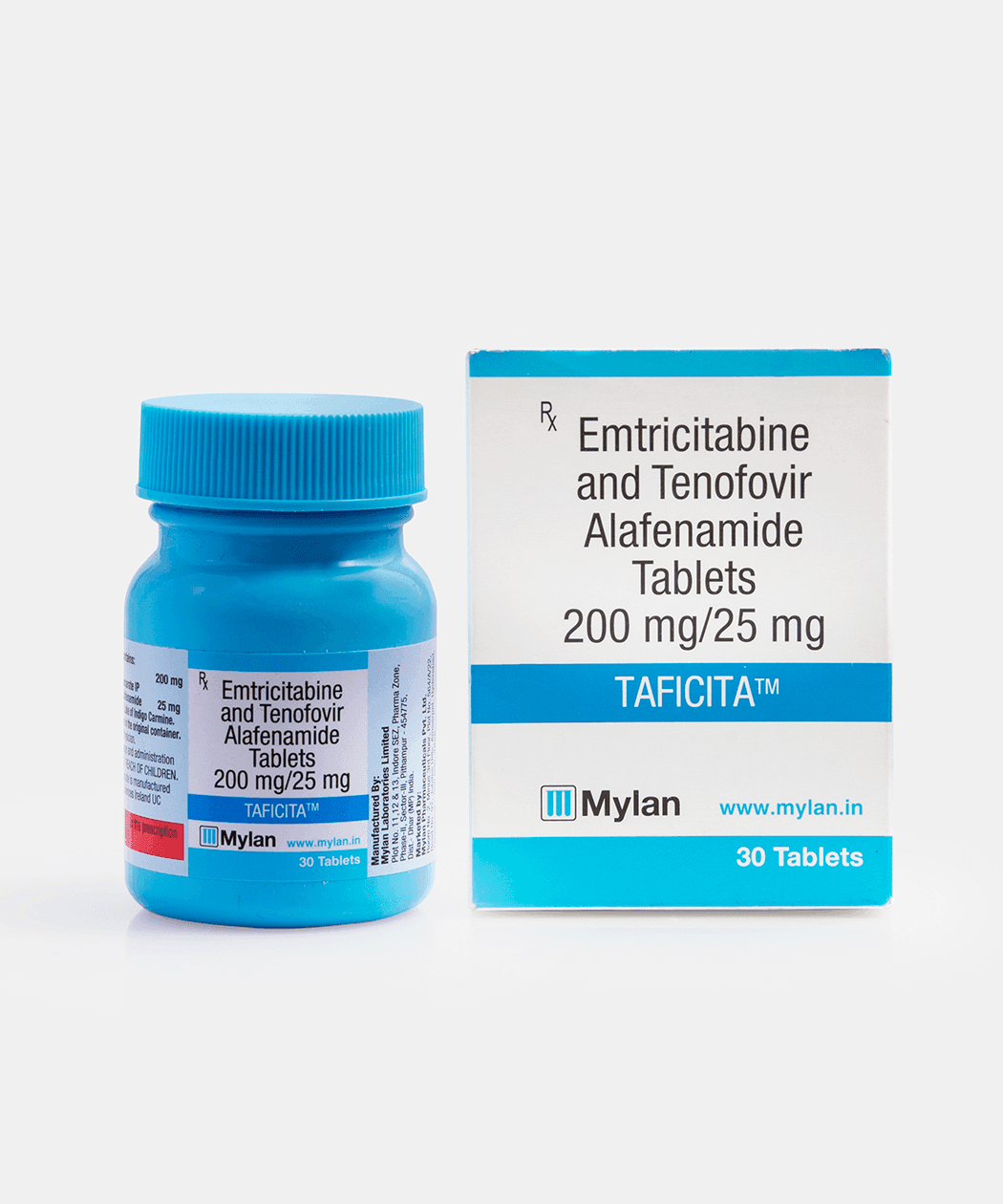
Vendors carrying Emtricitabine + Tenofovir Alafenamide, with live product details and codes. Links are affiliate links that support the wiki at no cost to you.
PCT.Zone
Emtricitabine + Tenofovir Alafenamide
Research
- 2015first citedTenofovir alafenamide versus tenofovir disoproxil fumarate, coformulated with elvitegravir, cob…
- 2020controlled trialEmtricitabine and tenofovir alafenamide vs emtricitabine and tenofovir disoproxil fumarate for…
- 2024most recentHIV Prevention Among Men Who Have Sex With Men: Tenofovir Alafenamide Combination Preexposure P…
- 1.Emtricitabine and tenofovir alafenamide vs emtricitabine and tenofovir disoproxil fumarate for HIV pre-exposure prophylaxis (DISCOVER): primary results from a randomised, double-blind, multicentre, active-controlled, phase 3, non-inferiority trial
- 2.Tenofovir alafenamide versus tenofovir disoproxil fumarate, coformulated with elvitegravir, cobicistat, and emtricitabine, for initial treatment of HIV-1 infection: two randomised, double-blind, phase 3, non-inferiority trials
- 3.Patient-Focused Selection of PrEP Medication for Individuals at Risk of HIV: a narrative review
- 4.HIV Prevention Among Men Who Have Sex With Men: Tenofovir Alafenamide Combination Preexposure Prophylaxis Versus Placebo
4 listed here; entry last updated August 2026
Reviews
My notesprivate to this device
FAQ
What is Descovy used for?
Treating HIV-1 as part of a combination regimen and preventing HIV as PrEP in eligible people.
How is it different from Truvada?
It uses tenofovir alafenamide instead of tenofovir disoproxil, giving lower blood tenofovir and better kidney and bone safety.
Is this PrEP right for everyone?
It is approved for PrEP in men and transgender women; it was not studied for people at risk from receptive vaginal sex.
Does it protect against other STIs?
No; it only lowers HIV risk, so condoms still matter for preventing other infections.
What if I also have hepatitis B?
Both drugs treat hepatitis B, so stopping suddenly can cause a dangerous liver flare; never stop without medical guidance.
Adverse effects
- Nausea, diarrhea, or headache
- Modest weight gain
- Higher blood cholesterol and triglycerides
- Serious liver flare-ups possible if hepatitis B is present and the drug is stopped
Notes and cautions
- Requires confirmed HIV-negative status before use for prevention