
spec sheet10 rows
Dextromethorphan + Bupropion Dextromethorphan/bupropion is a fixed-dose combination medicine used to treat major depressive disorder in adults. Sold under the brand name Auvelity and developed by Axsome Therapeutics, it was approved by the United States Food and Drug Administration in 2022. The product pairs dextromethorphan, which blocks NMDA glutamate receptors and activates sigma-1 receptors, with bupropion, an established antidepressant that also slows the breakdown of dextromethorphan so that useful levels are maintained. It is taken as an extended-release oral tablet and is a prescription medicine that is not a controlled substance.
- Mood lift inside about one week
- Ketamine-style mechanism in an everyday tablet
- Zero weight gain in trials
- No added sexual side effects
- Two brain systems targeted at once
- Backed by FDA approval since 2022
- Dizziness, nausea, and headache are among the most common effects
- May cause drowsiness or dry mouth
- Avoided in people with seizure disorders because bupropion can lower the seizure threshold
Overview
Dextromethorphan/bupropion is a combination antidepressant that brings together two long-established drugs in a single extended-release tablet [1]. Dextromethorphan, a compound better known as a cough suppressant, acts in the brain as an antagonist of the NMDA type of glutamate receptor and as an agonist of the sigma-1 receptor [2]. Bupropion is a norepinephrine and dopamine reuptake inhibitor already used on its own to treat depression [3]. The medicine is marketed as Auvelity by Axsome Therapeutics.
The pairing is designed so that the two ingredients complement each other pharmacologically [2]. Taken by itself, dextromethorphan is rapidly broken down in the body by the liver enzyme CYP2D6, which keeps its blood levels low; bupropion is a potent inhibitor of that enzyme, so adding it slows the metabolism of dextromethorphan and allows therapeutic concentrations to build up and persist [3]. Bupropion thereby serves both as an antidepressant in its own right and as a pharmacokinetic enhancer of dextromethorphan [2].
The combination was approved by the United States Food and Drug Administration in 2022 for the treatment of major depressive disorder in adults [1]. In the pivotal phase 3 GEMINI trial, patients taking the combination showed significantly greater reductions in depression rating scores than those taking placebo, with benefit emerging within the first week of treatment [1]. Reviews have highlighted that its action on the brain's glutamate system sets it apart from conventional monoamine-based antidepressants and may contribute to a relatively rapid onset of effect [2].
Dextromethorphan/bupropion is supplied as an oral extended-release tablet. The most commonly reported side effects in trials included dizziness, nausea, headache, drowsiness, and dry mouth, and, unlike some older agents, it was not associated with weight gain or increased sexual dysfunction [1]. Because bupropion can lower the seizure threshold, the product is not used in people with seizure disorders or certain eating disorders. It is a prescription-only medicine and is not classified as a controlled substance in the United States.
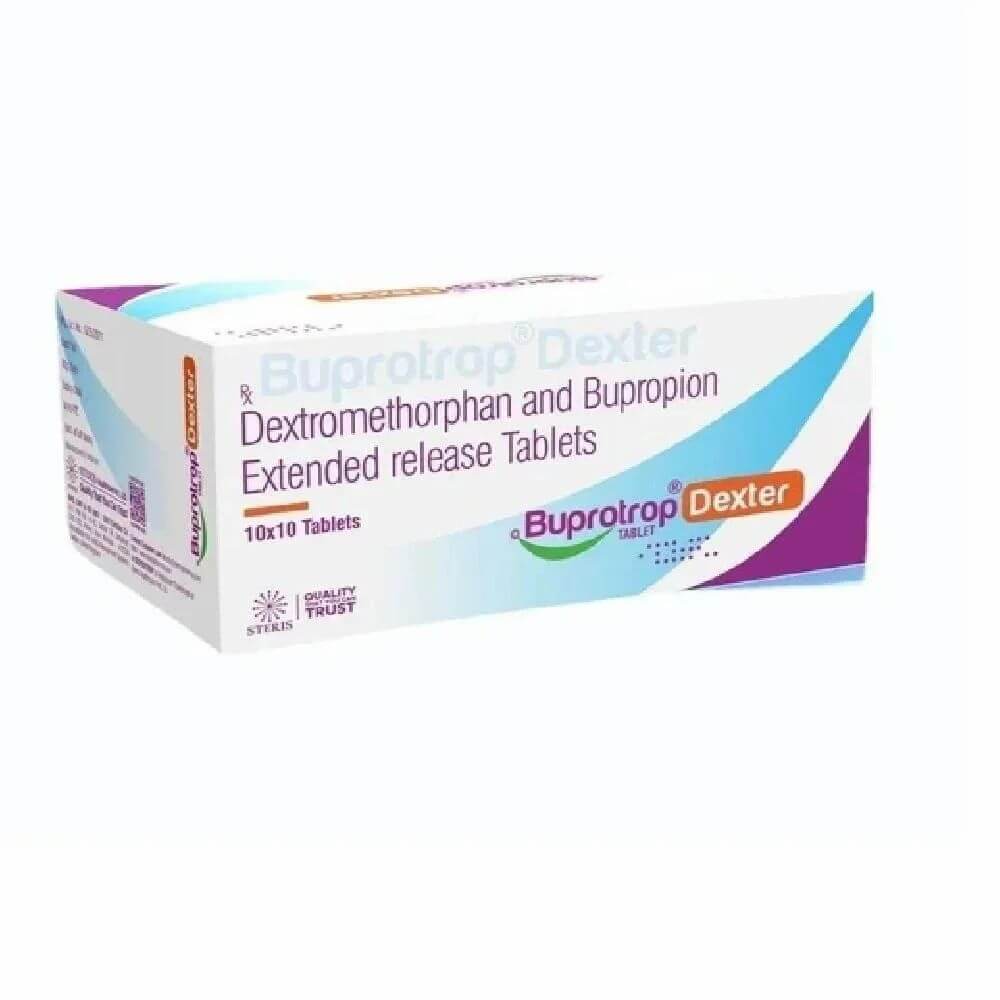
- Auvelity was the first oral NMDA-receptor antagonist approved by the FDA for major depressive disorder, marking a new mechanistic class for oral antidepressants.
- The bupropion in the combination is included partly as a metabolic 'booster', slowing the enzyme CYP2D6 so that useful levels of dextromethorphan are maintained.
- Dextromethorphan has been used as a cough suppressant since the 1950s, decades before its glutamate-blocking action was harnessed for depression.
Mechanism
The antidepressant activity of the combination is attributed mainly to dextromethorphan's effects on signaling [2]. Dextromethorphan blocks receptors and stimulates sigma-1 receptors, actions that place it in the same broad category as other rapidly acting, glutamate-targeting antidepressants [2]. Because dextromethorphan is ordinarily degraded quickly by the enzyme CYP2D6, bupropion is included to inhibit that enzyme and thereby raise and prolong dextromethorphan exposure, while bupropion itself contributes antidepressant effects through inhibition of and reuptake [2][3]. Together these actions are thought to produce a faster onset of antidepressant response than is typical of medicines acting only on monoamine systems [1].
receptor fingerprint
receptorantagonist
CYP2D6 enzymeinhibits
Sigma-1 receptoragonist
()inhibits
transporter (NET)inhibits
receptorantagonist
Dosingtypical ranges, not medical advice
interested in protocols and clinical dosages? make an account to see them! ^_^
Safetyrisks and cautions, not medical advice
This is a prescription antidepressant. Common effects are dizziness, nausea, headache, dry mouth, sleepiness, and decreased appetite; unlike many antidepressants it did not cause weight gain or added sexual dysfunction in trials. Because it contains bupropion it lowers the seizure threshold and is avoided in people with seizure disorders, eating disorders, or those withdrawing from alcohol or sedatives. It carries the antidepressant class warning about increased suicidal thoughts in young people. It must never be combined with MAO inhibitors or other strong serotonergic drugs because of serotonin syndrome risk, and blood pressure should be watched. Avoid stacking with other CYP2D6-inhibiting or dextromethorphan-containing products.
History
Dextromethorphan/bupropion was developed by the American biopharmaceutical company Axsome Therapeutics under the code name AXS-05, pairing two long-established molecules to create a novel antidepressant. The concept drew on the recognition that dextromethorphan, a decades-old cough suppressant, blocks NMDA glutamate receptors and stimulates sigma-1 receptors, actions that place it among the newer, rapidly acting antidepressant mechanisms. Because dextromethorphan is normally broken down quickly by the liver enzyme CYP2D6, Axsome combined it with bupropion, an established antidepressant that inhibits that enzyme and thereby raises and sustains dextromethorphan levels while contributing its own effects.
The combination was tested in a program of controlled trials, including the pivotal GEMINI study, which supported its efficacy in major depressive disorder. On this evidence the United States Food and Drug Administration approved the product in 2022 under the brand name Auvelity, notable as the first oral NMDA-receptor antagonist approved for depression. It is taken as an extended-release tablet and, unlike some other rapid-acting antidepressants, is not a controlled substance.
Reputation
Dextromethorphan/bupropion has attracted considerable enthusiasm as one of the first genuinely new mechanisms in oral antidepressant therapy in many years. Its appeal lies in the promise of a faster onset of relief than is typical of conventional medicines that act only on serotonin, with clinical studies suggesting meaningful improvement within the first week or two of treatment. Because it works through the glutamate system rather than by simply boosting monoamines, it offers a fresh option for people whose depression has not responded well to standard drugs.
The fact that it is an oral tablet and not a controlled substance makes it far more convenient than clinic-administered rapid-acting alternatives. A balanced perspective notes that it is a relatively new therapy with a side-effect profile that includes dizziness and dry mouth and that requires attention to drug interactions, but its novel approach and rapid action have made it a welcome and closely watched addition to the treatment of depression.
Subjective profileweighing the evidence above
A real advance worth knowing about: an approved oral antidepressant where improvement often lands inside a week, without the weight gain or added sexual dysfunction that sink adherence to older options. The bupropion half lowers the seizure threshold, so it is avoided in seizure and eating disorders.
Where to buy
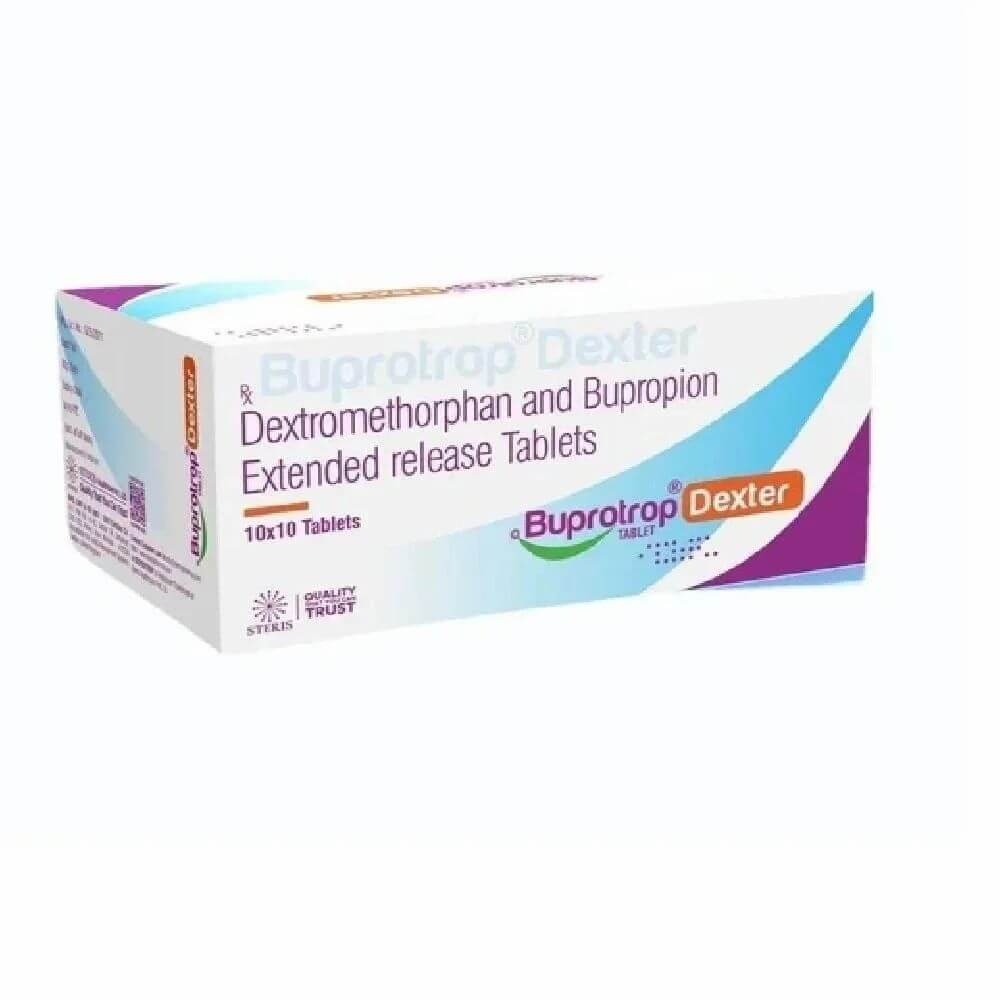
Suppliers
Vendors carrying Dextromethorphan + Bupropion, with live product details and codes. Links are affiliate links that support the wiki at no cost to you.
PCT.Zone
Dextromethorphan + Bupropion
Research
- 2005first citedBupropion for major depressive disorder: Pharmacokinetic and formulation considerations
- 2022most recentEfficacy and Safety of AXS-05 (Dextromethorphan-Bupropion) in Patients With Major Depressive Di…
- 1.Efficacy and Safety of AXS-05 (Dextromethorphan-Bupropion) in Patients With Major Depressive Disorder: A Phase 3 Randomized Clinical Trial (GEMINI)
- 2.Efficacy of dextromethorphan for the treatment of depression: a systematic review of preclinical and clinical trials
- 3.Bupropion for major depressive disorder: Pharmacokinetic and formulation considerations
3 listed here; entry last updated August 2026
Reviews
My notesprivate to this device
FAQ
Why is cough medicine in an antidepressant?
Dextromethorphan acts on brain glutamate receptors, and at the right blood levels that action lifts depression; bupropion is added to keep those levels high enough to work.
How quickly does it work?
In phase 3 trials depression scores improved as early as one week, which is faster than most standard antidepressants.
Does it cause weight gain or sexual side effects?
In the trials it did not increase weight or sexual dysfunction, which sets it apart from many older antidepressants.
Can it cause seizures?
The bupropion component can lower the seizure threshold, so it is avoided in people with seizure or eating disorders and dosing limits matter.
Can I take it with other antidepressants?
Not with MAO inhibitors or strong serotonergic drugs; that combination risks serotonin syndrome, so any switch must be doctor-guided.
Adverse effects
- Dizziness, nausea, and headache are among the most common effects
- May cause drowsiness or dry mouth
- Avoided in people with seizure disorders because bupropion can lower the seizure threshold