
spec sheet14 rows
Bupropion is an atypical antidepressant of the aminoketone class that works mainly as a norepinephrine-dopamine reuptake inhibitor. It is used to treat major depressive disorder and seasonal affective disorder and, under a separate brand, as an aid to quitting smoking; it is also part of a combination weight-loss product. Unlike many antidepressants it has little direct effect on serotonin and rarely causes sexual dysfunction or weight gain.
- Lifts mood with energy, not fog
- Drives dopamine and norepinephrine straight up
- Sharpens focus and attention
- Skips the sexual side effects SSRIs bring
- Famous as a quit smoking aid
- Rarely brings the weight gain
- Dry mouth
- Insomnia or trouble sleeping
- Headache
Overview
Bupropion is a second-generation, or atypical, antidepressant chemically classified as an aminoketone, structurally distinct from the tricyclic and serotonergic drugs that dominate the field [1]. It was invented at Burroughs Wellcome in the late 1960s and first approved in the United States as an antidepressant in the 1980s under the brand name Wellbutrin [2]. An early formulation was briefly withdrawn because higher doses were linked to seizures, and it returned with a lower maximum dose and, later, sustained-release and extended-release versions that reduced this risk [1].
Bupropion is approved for major depressive disorder, for preventing the seasonal pattern of depression known as seasonal affective disorder, and, as the brand Zyban, for smoking cessation [2][3]. In trials it produces remission rates broadly comparable to selective serotonin reuptake inhibitors, and it is often chosen when clinicians want to avoid the sexual side effects and weight gain associated with those drugs [3]. It is also combined with naltrexone in a medicine used for weight management, and is used off-label for conditions such as attention-deficit hyperactivity disorder [3].
As a stop-smoking aid, bupropion is thought to work partly by easing nicotine withdrawal and partly by blocking nicotinic acetylcholine receptors, dampening the reinforcing effects of nicotine [4]. Comparative reviews generally find it effective, though the nicotinic partial agonist varenicline tends to outperform it for maintaining long-term abstinence [5].
Bupropion is a prescription medicine and appears on the World Health Organization's List of Essential Medicines. It is sold in immediate-release, sustained-release, and extended-release tablets under names including Wellbutrin, Zyban, and Aplenzin, and in combination products. Its most important safety concern is a dose-related risk of seizures, so maximum doses are capped; other common effects include dry mouth, insomnia, and a modest rise in blood pressure [1][3].
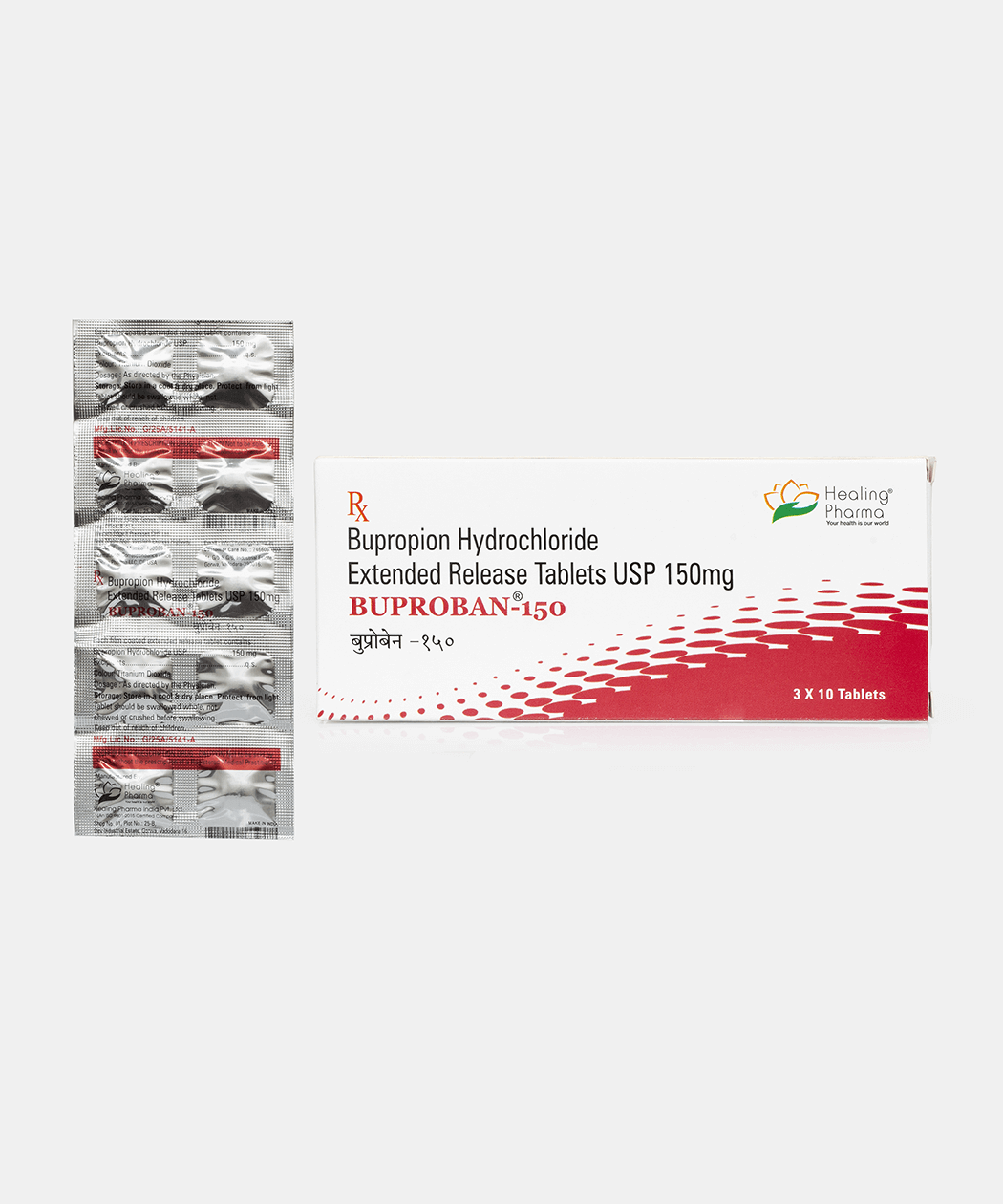

- Bupropion was pulled from the United States market in 1986 over seizure concerns, then successfully reintroduced in 1989 once lower dosing was adopted; it went on to become one of the most prescribed antidepressants.
- The identical molecule is sold under one brand name for depression and another for quitting smoking, a rare case of a single drug carrying two entirely separate identities.
Mechanism
Bupropion is usually described as a - ; it blocks the transporters that clear these two neurotransmitters from the , raising their availability in the brain, while having essentially no direct action on [1][3]. It is extensively converted in the liver to active metabolites, especially hydroxybupropion, which reach higher levels than the parent drug and are thought to contribute substantially to its clinical effects [1]. Bupropion also acts as an , or negative modulator, of certain receptors, an action believed to underlie its usefulness in smoking cessation by reducing the reinforcing effects of nicotine and easing withdrawal [4]. Its stimulating, non-serotonergic profile helps explain both its low rate of sexual side effects and its dose-dependent tendency to lower the seizure threshold [1].
receptor fingerprint
transporter (NET)inhibits
ACh receptors (a3b2, a4b2, a7)antagonist (noncompetitive)
()inhibits
Dosingtypical ranges, not medical advice
interested in protocols and clinical dosages? make an account to see them! ^_^
Safetyrisks and cautions, not medical advice
The headline risk is a dose-dependent drop in seizure threshold, so it is avoided in people with a seizure disorder, an eating disorder (bulimia or anorexia), or during alcohol and benzo withdrawal. Common sides are insomnia, dry mouth, jitteriness, headache, and lower appetite. It is weight-neutral to slightly slimming and skips the sexual side effects SSRIs are known for. It inhibits CYP2D6, so it can push up levels of other drugs cleared that way.
Interactionsdocumented pairs only, not exhaustive
Bupropion is contraindicated with monoamine oxidase inhibitors; concurrent use or a washout shorter than 14 days risks hypertensive reactions, so MAOIs including linezolid and intravenous methylene blue must be separated by two weeks. It is a potent CYP2D6 inhibitor and raises exposure to CYP2D6 substrates such as many antidepressants (fluoxetine, paroxetine, venlafaxine, tricyclics), atomoxetine, metoprolol, and certain antipsychotics (risperidone, haloperidol), and it can blunt tamoxifen activation.
Bupropion lowers the seizure threshold in a dose-dependent way, so combining it with other threshold-lowering agents (antipsychotics, tramadol, theophylline, systemic steroids) or with abrupt alcohol, benzodiazepine, or barbiturate withdrawal increases seizure risk. Its metabolism runs through CYP2B6, so inducers (ritonavir, efavirenz, carbamazepine) reduce levels while CYP2B6 inhibitors (ticlopidine, clopidogrel) raise them. This is research information, not medical advice.
Checking a whole stack? Run it through interactions + stacks.
History
Bupropion was synthesized in the late 1960s by chemist Nariman Mehta at Burroughs Wellcome and patented in 1974 as an aminoketone antidepressant with an unusual, non-serotonergic profile. It first reached the United States market in 1985 but was withdrawn the following year after reports of seizures at higher doses, then reintroduced in 1989 with revised dosing that greatly reduced that risk. In 1997 the same molecule was approved under the brand name Zyban as an aid to smoking cessation, and it was later combined with naltrexone in a weight-management product. This layered history has given bupropion an enduring role well beyond its original indication.
Reputation
Bupropion enjoys a strong reputation as a distinctive antidepressant that fills a niche other drugs cannot, thanks to its low likelihood of causing sexual dysfunction or weight gain. Reviews describe it as superior to placebo and comparable to SSRIs such as escitalopram for major depression, while its activating, dopamine-and-norepinephrine profile appeals to patients troubled by fatigue or low motivation. It is also a genuinely effective smoking-cessation aid, particularly in combination regimens, giving it dual value in clinical practice. Prescribers remain mindful of its dose-dependent seizure risk, but with appropriate dosing it is considered a safe and well-established option, and its favorable side-effect signature keeps it a frequent first choice for the right patient.
Subjective profileweighing the evidence above
One of the better antidepressants for people flattened by SSRIs, since it lifts energy and drive and skips the sexual side effects, and it doubles as a real stop-smoking aid. The dose-dependent seizure risk is the hard limit: off the table with a seizure disorder, an eating disorder, or alcohol withdrawal.
Where to buy

2 other outlets

Suppliers
Vendors carrying Bupropion, with live product details and codes. Links are affiliate links that support the wiki at no cost to you.
| supplier | size | price | $/mg |
|---|---|---|---|
| PCT.Zonelowest | 150MG | $4.17 | $0.028/mg |
| PCT.Zone | 300MG | $10.71 | $0.036/mg |

PCT.Zone
Bupropion
PCT.Zone
Bupropion
RUPharma🌐
Bupropion
Research
- 2005first citedHow does bupropion work as a smoking cessation aid?
- 2024most recentSmoking cessation pharmacotherapy; varenicline or bupropion?
- 1.Bupropion Hydrochloride
- 2.Bupropion
- 3.Other Antidepressants
- 4.How does bupropion work as a smoking cessation aid?
- 5.Smoking cessation pharmacotherapy; varenicline or bupropion?
- 6.Bupropion Mediated Effects on Depression, Attention Deficit Hyperactivity Disorder, and Smoking Cessation
- 7.The effects of varenicline, bupropion, nicotine patch, and placebo on smoking cessation among smokers with major depression: A randomized clinical trial
7 listed here; entry last updated August 2026
Reviews
My notesprivate to this device
FAQ
What does NDRI mean?
It stands for norepinephrine-dopamine reuptake inhibitor, describing how bupropion raises those two neurotransmitters.
Why take it in the morning?
Because it is energizing, taking it earlier in the day helps reduce the chance of it interfering with sleep.
Why is it used for quitting smoking?
Its effect on dopamine and norepinephrine can reduce nicotine cravings, and it is marketed for smoking cessation.
Is this medical advice?
No, bupropion is a prescription medication and this is general educational info, not a substitute for a clinician.
Adverse effects
- Dry mouth
- Insomnia or trouble sleeping
- Headache
- Anxiety or restlessness
- Higher seizure risk at large doses