
spec sheet13 rows
Amitriptyline is a tricyclic antidepressant introduced in the early 1960s, originally for major depression and now used at least as often for chronic pain conditions. It relieves symptoms by increasing the availability of the neurotransmitters serotonin and norepinephrine, while also blocking histamine, acetylcholine, and adrenergic receptors, which accounts for both its sedating quality and many of its side effects [1]. Common uses today include neuropathic pain, fibromyalgia, and the prevention of migraine and tension headaches, in addition to depression [3][4].
- a workhorse for the nerve pain ordinary painkillers miss
- proven prevention for migraine and tension headaches
- low bedtime doses double as a genuine sleep aid
- eases fibromyalgia and long running chronic pain
- still a real antidepressant, sixty years on
- pennies a dose and stocked in every pharmacy
- Dry mouth, constipation, and blurred vision (anticholinergic effects)
- Drowsiness and weight gain
- Dizziness or low blood pressure on standing
Overview
Amitriptyline is one of the classic tricyclic antidepressants, named for the three-ring core of its structure. It reached the market in 1961 as an early treatment for major depressive disorder and became a benchmark against which newer antidepressants were compared [1][2]. Over time, safer drugs such as the selective serotonin reuptake inhibitors displaced it as a first-choice antidepressant, but amitriptyline remains in wide use, particularly for pain, and appears on the World Health Organization's list of essential medicines [1].
The drug's main antidepressant action is to block the reuptake of serotonin and norepinephrine, raising the levels of these messengers in the brain; its active breakdown product, nortriptyline, is itself an antidepressant with a stronger effect on norepinephrine [1]. Amitriptyline also blocks histamine, muscarinic acetylcholine, and alpha-1 adrenergic receptors, interactions that produce sedation, dry mouth, constipation, and a drop in blood pressure on standing, and it affects cardiac ion channels, which makes it dangerous in overdose [1].
Beyond depression, amitriptyline is a mainstay of chronic pain management. It has long been a first-line option for neuropathic pain, used at doses lower than those needed for depression, though systematic reviews note that rigorous, unbiased trials are limited and that only a minority of people achieve satisfactory relief [3]. Similar conclusions apply to fibromyalgia, where some benefit is seen despite modest trial quality [4]. The drug is also used to prevent migraine and tension-type headaches and, off-label, for insomnia, bedwetting in children, and irritable bowel syndrome.
For its original indication, the evidence is firmer. A large systematic review of placebo-controlled trials confirmed that amitriptyline is an effective antidepressant, while also documenting that it causes more side effects and more withdrawals due to those effects than placebo [2]. This balance of strong efficacy against a heavy side-effect burden is the reason it is now usually reserved for use after better-tolerated drugs have failed.
Amitriptyline is a prescription-only medicine available cheaply as a generic, in oral tablet form and sometimes combined with other agents. Because of its narrow margin of safety in overdose and its anticholinergic effects, it is prescribed with particular caution in older adults and in people at risk of self-harm [1].

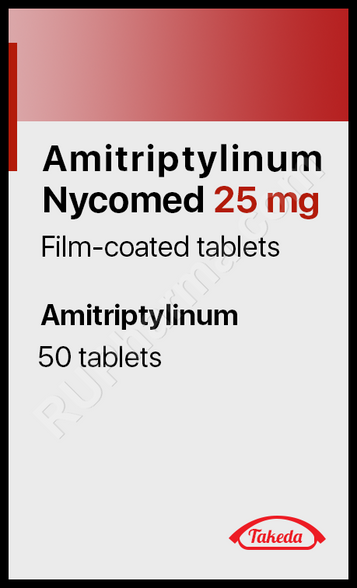
- Amitriptyline is one of the most potent histamine H1 receptor blockers among clinically used drugs, which is why even small doses can be strongly sedating.
- Although it is classed as an antidepressant, in much of the world it is now prescribed more often for chronic pain, migraine, and sleep than for depression.
Mechanism
Amitriptyline produces its effects through a combination of actions on neurotransmitter systems and cell membranes. Its central action is to inhibit the transporter proteins that reclaim and from the , so more of these neurotransmitters remain available to signal; this is regarded as the basis of its antidepressant effect, and its nortriptyline adds further norepinephrine reuptake blockade [1].
In chronic pain, the same boosting of and is thought to strengthen the descending pathways that dampen pain signals in the spinal cord, which is why lower doses can help even without a full antidepressant effect [3]. Amitriptyline additionally blocks H1 receptors, producing drowsiness and weight gain; receptors, causing the classic anticholinergic effects; and alpha-1 receptors, leading to low blood pressure on standing [1]. Its blockade of cardiac sodium channels has little consequence at normal doses but can cause life-threatening heart rhythm disturbances in overdose [1].
receptor fingerprint
transporter (SERT)inhibits
transporter (NET)inhibits
receptorantagonist
H1 receptorantagonist
Alpha-1 receptorblocks
Voltage-gated sodium channelsblocks
Dosingtypical ranges, not medical advice
interested in protocols and clinical dosages? make an account to see them! ^_^
Safetyrisks and cautions, not medical advice
Amitriptyline is a prescription tricyclic and its wide receptor activity means more side effects than newer options. Drowsiness, dry mouth, constipation, blurred vision, urinary hesitancy, weight gain, and dizziness on standing are common, largely from its anticholinergic and antihistamine actions. It can affect heart rhythm and prolong the QT interval, so it is used cautiously in heart disease and the elderly, and it is dangerous in overdose. It must not be combined with MAOIs, and it should be tapered rather than stopped abruptly. Starting low and dosing at night helps with both tolerance and sleep.
Interactionsdocumented pairs only, not exhaustive
Terbinafine inhibits CYP2D6, the primary enzyme metabolizing amitriptyline, causing prolonged and elevated plasma concentrations. Nortriptyline (amitriptyline's metabolite) levels increased by up to 2.5-fold during concurrent terbinafine therapy and remained elevated for months after terbinafine cessation, reaching toxic levels [6]. This is a pharmacokinetic interaction with time-dependent effects. CYP2C19 inhibitors like anwuligan similarly increase amitriptyline AUC by 1.4-fold [7]. The combination of amitriptyline with monoamine oxidase inhibitors poses a serious pharmacodynamic risk of serotonin syndrome, though detailed clinical interaction studies are limited. Drug combinations with sympathomimetics, anticholinergics, and alcohol are widely cautioned in FDA labeling but lack robust published quantitative data.
Checking a whole stack? Run it through interactions + stacks.
History
Amitriptyline was synthesized by Merck and introduced in the United States in 1961, making it one of the earliest tricyclic antidepressants to reach clinical practice. It emerged during the first wave of antidepressant discovery in the late 1950s and 1960s, alongside imipramine, when the mood-lifting properties of dibenzocycloheptene and related three-ringed structures were being explored. Marketed under the brand name Elavil, it was first developed for major depression, but clinicians soon recognized that its sedating quality and pain-relieving effects made it useful well beyond mood disorders. Over the following decades its role shifted; today it is prescribed at least as often for chronic pain, migraine prophylaxis, and sleep as for depression itself. It remains listed on the World Health Organization Model List of Essential Medicines.
Reputation
Amitriptyline is regarded as a durable and versatile medicine that has kept a place in practice for more than sixty years despite the arrival of newer, cleaner antidepressants. Physicians value it particularly in neuropathic pain, fibromyalgia, and headache prevention, where low bedtime doses can ease symptoms and improve sleep at the same time. Its long track record means its behavior and its side effects are exceptionally well characterized, which many clinicians find reassuring. It is honestly not a gentle drug; its anticholinergic burden, sedation, and danger in overdose call for careful dosing, yet used thoughtfully it remains one of the more reliable tools for difficult pain and low mood.
Subjective profileweighing the evidence above
Still earns its place, mostly at low bedtime doses for nerve pain, migraine prevention and sleep rather than for depression, where gentler options exist. The anticholinergic load is the price, it can affect heart rhythm, and it is dangerous in overdose, so it belongs on prescription with a taper at the end.
Where to buy
1 other outlet

Suppliers
Vendors carrying Amitriptyline, with live product details and codes. Links are affiliate links that support the wiki at no cost to you.
PCT.Zone
Amitriptyline
RUPharma🌐
Amitriptyline
Research
- 2012first citedAmitriptyline versus placebo for major depressive disorder
- 2026most recentMechanism-Based Inactivation of CYP2C19 by Anwuligan Resulting in Changes in Pharmacokinetic Pr…
- 1.Classics in Chemical Neuroscience: Amitriptyline
- 2.Amitriptyline versus placebo for major depressive disorder
- 3.Amitriptyline for neuropathic pain in adults
- 4.Amitriptyline for neuropathic pain and fibromyalgia in adults
- 5.Comparison of amitriptyline supplemented with pregabalin, pregabalin supplemented with amitriptyline, and duloxetine supplemented with pregabalin for the treatment of diabetic peripheral neuropathic pain (OPTION-DM): a multicentre, double-blind, randomised crossover trial.
- 6.Analysis of the Mechanism of Prolonged Persistence of Drug Interaction between Terbinafine and Amitriptyline or Nortriptyline.
- 7.Mechanism-Based Inactivation of CYP2C19 by Anwuligan Resulting in Changes in Pharmacokinetic Properties of Amitriptyline.
7 listed here; entry last updated August 2026
Reviews
My notesprivate to this device
FAQ
Why is amitriptyline given for pain if it is an antidepressant?
At lower doses it calms overactive pain signals in the nervous system, which helps nerve pain, migraines, and other chronic pain even without treating depression.
Why take it at night?
It is sedating, so bedtime dosing turns the drowsiness into a benefit and reduces daytime grogginess.
Is it addictive?
It is not addictive, but it should be tapered rather than stopped suddenly to avoid withdrawal-like symptoms.
Why do I get a dry mouth and constipation?
Those come from its anticholinergic activity, which blocks acetylcholine; drinking water and eating fiber can help.
Is an overdose dangerous?
Yes; amitriptyline is dangerous in overdose because of its effects on heart rhythm, so keep it stored safely.
Adverse effects
- Dry mouth, constipation, and blurred vision (anticholinergic effects)
- Drowsiness and weight gain
- Dizziness or low blood pressure on standing
- Heart rhythm changes; dangerous in overdose
Notes and cautions
- Caution in older adults