
spec sheet4 rows
Chlorprothixene is a thioxanthene antipsychotic from the 1950s, now used mostly for its sedative effect in agitation and insomnia rather than as a primary treatment for psychosis.
- Deep sedation from unusually high H1 affinity
- Inexpensive and effective in psychosis with severe agitation
- Broad receptor coverage spanning D1, D2, H1 and more
- A clinical record running unbroken since the 1950s
- Generic pricing; one of the cheapest options in its class
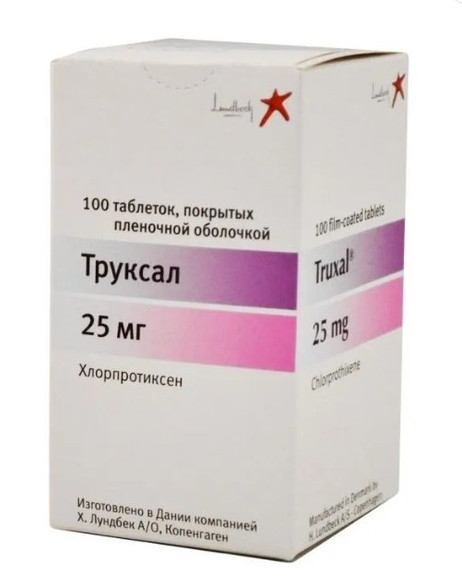
Mechanism
It antagonises and along with 5-HT2, H1, and alpha1 receptors. The very high H1 affinity is what makes it one of the most sedating drugs in its class, and the muscarinic blockade partly masks the extrapyramidal effects the D2 blockade would otherwise produce.
Safetyrisks and cautions, not medical advice
a first generation antipsychotic with heavy sedation, a large anticholinergic load, orthostatic hypotension and the class risk of tardive dyskinesia
Subjective profileweighing the evidence above
Using a first generation antipsychotic as a sleeping tablet is a poor bargain, and it is now the commonest way this drug is taken. The sedation is real and comes from unusually high H1 affinity, but D2 blockade does not switch itself off because the indication changed, so someone taking it for insomnia is accepting a tardive dyskinesia risk that accumulates with exposure and may not reverse. Add orthostatic hypotension and a heavy anticholinergic load and it becomes a particularly bad choice in older adults. Where the actual problem is psychosis with severe agitation it remains a reasonable and inexpensive option.
Where to buy

Suppliers
Vendors carrying Chlorprothixene, with live product details and codes. Links are affiliate links that support the wiki at no cost to you.
RUPharma🌐
Chlorprothixene