
spec sheet4 rows
Sulpiride is a substituted benzamide antipsychotic used at low doses for depression and dysthymia and at higher doses for schizophrenia.
- Real antidepressant effect at the low doses
- Low dose use for depression and dysthymia
- Antipsychotic cover at higher doses for schizophrenia
- Selective D2 and D3 antagonism
- Elegant presynaptic autoreceptor mechanism at work
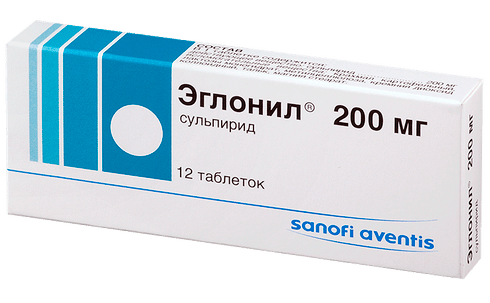
Mechanism
Sulpiride is a selective and D3 that is unusually hydrophilic, so it penetrates the brain poorly while reaching the pituitary, which sits outside the blood brain barrier, at much lower doses. At low dose it preferentially blocks presynaptic D2 autoreceptors, which increases release and is the proposed basis of the antidepressant effect; at high dose postsynaptic blockade dominates and the antipsychotic effect appears. The pituitary exposure is why prolactin rises at every dose, including the low ones.
Safetyrisks and cautions, not medical advice
an antipsychotic; hyperprolactinaemia is near universal even at low doses, bringing galactorrhoea, amenorrhoea and sexual dysfunction, and extrapyramidal effects rise steeply with dose
Subjective profileweighing the evidence above
Prolactin is the whole story with this one. Being unusually hydrophilic keeps it largely out of the brain while letting it saturate the pituitary, which sits outside the barrier, so hyperprolactinaemia arrives at every dose including the small antidepressant ones; galactorrhoea, lost periods and sexual dysfunction follow, and long exposure costs bone density. The low dose autoreceptor mechanism is elegant and the antidepressant effect is real, but there is a whole modern shelf of antidepressants that leave prolactin alone, and using an antipsychotic for dysthymia is a trade most of the world stopped making.
Where to buy

Suppliers
Vendors carrying Sulpiride, with live product details and codes. Links are affiliate links that support the wiki at no cost to you.
RUPharma🌐
Sulpiride