
spec sheet12 rows
Risperidone is a second-generation (atypical) antipsychotic used for schizophrenia, bipolar mania and irritability in some conditions. Like other atypicals it blocks both dopamine D2 and serotonin 5-HT2A receptors, which broadens its effect and, at moderate doses, softens the movement side effects seen with older drugs. It is not recreational; it tends to feel sedating and flattening rather than pleasant.
- A proven workhorse for schizophrenia and bipolar mania
- Blocks dopamine D2 and serotonin 5-HT2A for broader control
- Fewer movement effects than older drugs at moderate doses
- Available as a long acting injection; no daily pills
- Also used for irritability in some conditions
- Movement effects at higher doses
- Raised prolactin (breast and sexual effects)
- Weight gain and metabolic changes
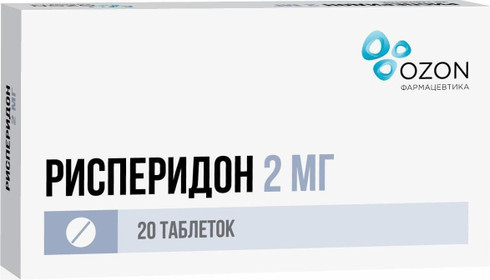
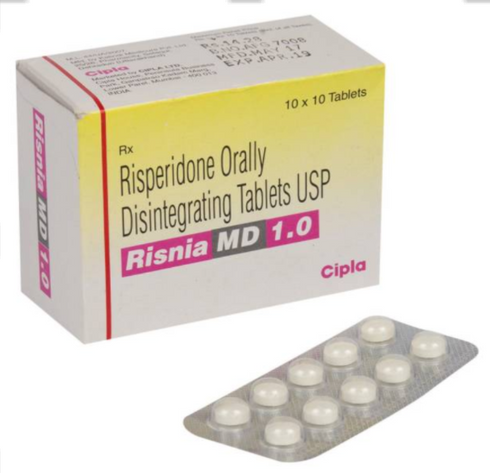
Mechanism
Risperidone is an at receptors and, more potently, at receptors. The combined dopamine-serotonin blockade is the hallmark of atypical antipsychotics; the 5-HT2A component is thought to help protect against the movement side effects of pure D2 blockade and to address a broader range of symptoms. Risperidone also blocks alpha- and receptors, contributing to low blood pressure and sedation, and its D2 blockade raises prolactin.
receptor fingerprint
receptorAntagonist
receptorAntagonist
Alpha- receptorsAntagonist
Safetyrisks and cautions, not medical advice
At higher doses risperidone still causes extrapyramidal (movement) effects, and its strong effect on prolactin can cause breast changes and sexual side effects. As an atypical it carries metabolic risks: weight gain, raised blood sugar and lipids. It can also cause sedation, low blood pressure on standing and, rarely, neuroleptic malignant syndrome; it adds to sedation with other depressants. Not medical advice.
Interactionsdocumented pairs only, not exhaustive
Risperidone is converted by CYP2D6 to 9-hydroxyrisperidone, which is itself active, so the total active moiety matters more than the parent drug alone. Paroxetine raises risperidone concentrations roughly three to nine fold and fluoxetine roughly two and a half to three fold. The active moiety climbs less steeply than the parent, but extrapyramidal symptoms and sedation still increase.
Induction runs the other direction. Carbamazepine, and to a lesser degree phenytoin, rifampin and St John's wort, induce CYP3A4 and P-glycoprotein and can substantially lower the active moiety, producing a loss of antipsychotic effect that is easily mistaken for non-adherence.
Risperidone blocks alpha-1 receptors, so antihypertensives, alpha blockers and alcohol deepen orthostatic hypotension, particularly during titration. Its D2 blockade antagonizes levodopa and dopamine agonists in Parkinson disease. Additive QT prolongation is a concern with amiodarone, sotalol, methadone and certain other antipsychotics.
Checking a whole stack? Run it through interactions + stacks.
Subjective profileweighing the evidence above
A workhorse that does its job, and for schizophrenia or bipolar mania that job is not optional. The costs are real and worth planning for: raised prolactin with breast and sexual effects, weight gain and metabolic drift, movement effects at higher doses. Prescription and monitored; nothing about it is pleasant or recreational.
Where to buy

1 other outlet
Suppliers
Vendors carrying Risperidone, with live product details and codes. Links are affiliate links that support the wiki at no cost to you.
RUPharma🌐
Risperidone

RUPharma🌐
Risperidone
Research
- 1.A new framework for investigating antipsychotic action in humans: lessons from PET imaging.
- 2.Risperidone versus other atypical antipsychotics for schizophrenia.
2 listed here; entry last updated August 2026
Reviews
My notesprivate to this device
FAQ
How is risperidone different from haloperidol?
It is an atypical antipsychotic that blocks serotonin 5-HT2A as well as dopamine D2, which tends to cause fewer movement side effects at moderate doses.
Why does it affect prolactin so much?
Its dopamine D2 blockade removes dopamine's normal brake on prolactin release, so prolactin rises, which can cause breast and sexual side effects.
Can it be used recreationally?
No. It is not euphoric; it mainly causes sedation and emotional flattening, plus metabolic and movement risks.
Adverse effects
- Movement effects at higher doses
- Raised prolactin (breast and sexual effects)
- Weight gain and metabolic changes
- Sedation and low blood pressure