
spec sheet8 rows
Apple cider vinegar (ACV) is just fermented apple juice; the active ingredient is acetic acid (the sour compound that makes any vinegar a vinegar). The unfiltered bottles carry "the mother," a cloudy tangle of proteins, enzymes, and beneficial bacteria left over from fermentation. The honest picture is that the evidence is modest. The single best-supported effect is that a spoonful taken with a carb-heavy meal blunts the post-meal blood-sugar spike, because acetic acid slows how fast your stomach empties and how fast carbohydrates get digested. There are smaller, less consistent hints toward slightly reduced appetite and modest weight or digestion effects, but nothing dramatic. The one thing that should not be soft-pedaled is the safety angle: straight vinegar is acidic enough to erode tooth enamel and irritate your throat and esophagus, so it always gets diluted well in water and never gets thrown back as a shot. It is a supplement, not a cure.
- Blunts the post meal blood sugar spike, its best proven effect
- Lowers the after meal insulin response too
- May curb appetite a little at the next meal
- Dirt cheap, everywhere, and easy to try with starchy meals
- Unfiltered bottles carry the mother, full of fermentation cultures
- Capsules and gummies deliver acetic acid without bathing your teeth
- Tooth enamel erosion from the acid, especially with undiluted or frequent use
- Throat and esophagus irritation or burning, particularly from straight shots or lodged capsules
- Nausea, indigestion, or worsened acid reflux in sensitive people
Overview
Best use case is a diluted tablespoon with a starchy or sugary meal to flatten the glucose spike; everything else is a maybe. Always dilute in a big glass of water, drink through the meal, and rinse your mouth after. Do not chase weight-loss miracles here.

- The active ingredient is the same thing that makes any vinegar sour: acetic acid, usually around 5% in a standard bottle.
- The famous 'mother' is a fermentation byproduct, but the effects you can actually measure come from the acid, not the cloudy strands.
- Timing beats dose here; a tablespoon with your meal does more than a bigger amount taken on an empty stomach.
- Rinsing with water after and waiting before you brush protects enamel that the acid has temporarily softened.
- Capsules dodge the dental issue but usually carry less acetic acid than the liquid, so you trade one thing for another.
Mechanism
The workhorse molecule is acetic acid, which typically sits around 5% in a standard bottle of ACV. When you take it with food, it slows gastric emptying (how quickly the stomach hands its contents off to the small intestine), so the sugars from a meal trickle into your bloodstream instead of flooding in; that is what softens the post-meal glucose spike. Acetic acid also appears to interfere modestly with carbohydrate digestion by dampening the activity of enzymes like disaccharidases that break starches and sugars into absorbable units, and slowed stomach emptying can nudge satiety (the feeling of fullness) so some people eat a little less.
The "mother" in unfiltered ACV is a byproduct of fermentation (proteins, enzymes, and live bacteria); it is often marketed as the magic part, but honestly the measurable effects trace back to the acetic acid, not the cloudy strands. Capsules and gummies try to deliver acetic acid without bathing your teeth in acid, but they generally carry less of it per serving than a real tablespoon of liquid.
receptor fingerprint
Gastric emptying rateSlows the stomach from emptying, spreading sugar absorption over more time
Post-meal blood glucoseLowers the peak glucose and insulin response after a carb meal
Carbohydrate-digesting enzymesDampens activity of enzymes that break starches and sugars into absorbable units
Satiety and appetite signalingNudges fullness via slowed stomach emptying (and sometimes mild nausea)
Evidencehow good the literature is
Modest and uneven. The strongest and most repeatable finding is a blunted post-meal blood-sugar (and insulin) response when ACV is taken alongside a carbohydrate meal; this shows up across several small human trials. Beyond that it thins out fast: appetite and weight effects are real in a few studies but small, short, and inconsistent, and often confounded by the fact that feeling slightly nauseated makes people eat less. Digestion claims are largely anecdotal. Big-picture claims (detox, curing conditions, major fat loss) are not supported. ACV is best filed as a cheap, low-stakes nudge for glucose control that is worth trying if you already eat carb-heavy meals, not as a metabolic silver bullet.
Dosingtypical ranges, not medical advice
interested in protocols and clinical dosages? make an account to see them! ^_^
Safetyrisks and cautions, not medical advice
The headline risk is acid, plain and simple. Undiluted vinegar can erode tooth enamel over time and can irritate or even burn the throat and esophagus, and there are case reports of injury from people taking it neat or from capsules lodging in the throat. So the rules are non-negotiable for me: always dilute a tablespoon in a large glass of water (roughly 200 to 250 ml), never take straight shots, sip it rather than gulp, use a straw if you are prone to sensitive teeth, and rinse your mouth with plain water afterward; wait a bit before brushing so you are not scrubbing acid-softened enamel.
Because it lowers post-meal glucose, anyone on blood-sugar medication (insulin or drugs like sulfonylureas) should loop in their doctor to avoid stacking effects. Large habitual doses have been linked to low potassium in isolated reports. If you have acid reflux, gastroparesis (a condition where the stomach empties too slowly), an ulcer, or chronic kidney issues, be cautious. This is general educational information, not medical advice.
History
Vinegar has been used as a food, preservative, and folk remedy for thousands of years, long before anyone could name acetic acid as the reason it works. Apple cider vinegar specifically became a household staple as apple growing spread, since leftover cider naturally ferments first to alcohol and then, with acetic-acid bacteria, to vinegar. It picked up a heavy folk-medicine reputation over the last century, marketed for everything from digestion to weight loss, and the modern 'with the mother' unfiltered bottles lean hard on that tradition. Only relatively recently did small human trials pin down the one effect that reliably holds up, the blunting of post-meal blood sugar, while trimming back the more extravagant claims.
Reputation
ACV has an outsized reputation online as a near-magical health tonic for weight loss, detox, and just about anything else, which does not match the modest reality. Where it has earned genuine, evidence-backed credit is the post-meal blood-sugar effect. The honest read: it is a cheap, low-risk thing to try with carb-heavy meals if that interests you, but it belongs in the 'small helpful nudge' bucket, not the 'cure' bucket, and the internet hype badly oversells it. Diluting properly and protecting your teeth is the part people skip and shouldn't.
Subjective profileweighing the evidence above
Worth trying if you eat carb-heavy meals and want a cheap nudge on post-meal glucose, which is the one effect that reliably shows up. The rest of the claims thin out fast. Always dilute it; taken neat it erodes enamel and can burn the throat.
Where to buy
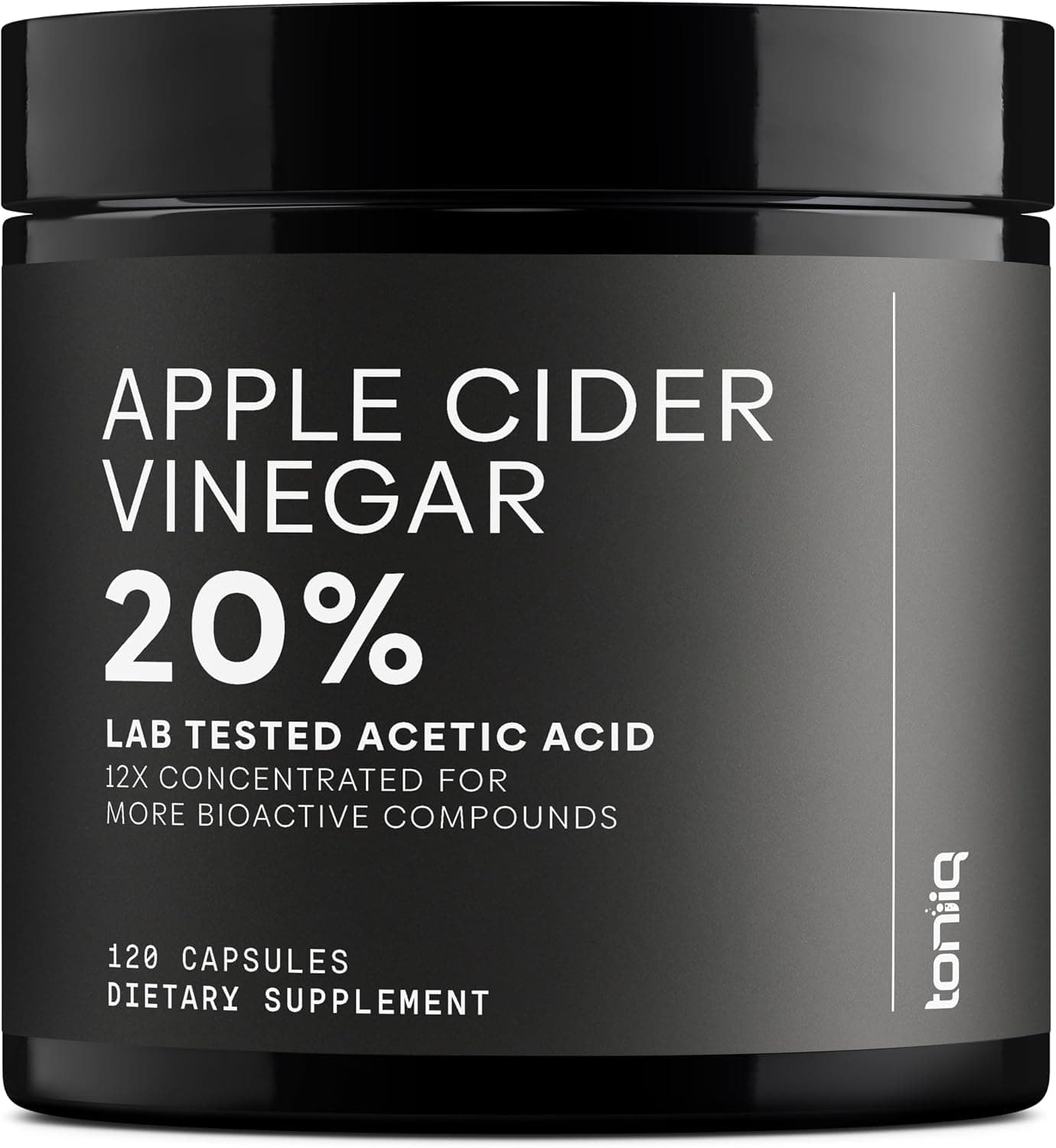
Suppliers
Vendors carrying Apple Cider Vinegar, with live product details and codes. Links are affiliate links that support the wiki at no cost to you.
Amazon
Apple Cider Vinegar
Research
- 2009first citedVinegar intake reduces body weight, body fat mass, and serum triglyceride levels in obese Japan…
- 2017meta-analysisVinegar consumption can attenuate postprandial glucose and insulin responses; a systematic revi…
- 2019most recentDaily red wine vinegar ingestion for eight weeks improves glucose homeostasis and affects the m…
- 1.Daily red wine vinegar ingestion for eight weeks improves glucose homeostasis and affects the metabolome but does not reduce adiposity in adults
- 2.Examination of the antiglycemic properties of vinegar in healthy adults.
- 3.Vinegar consumption can attenuate postprandial glucose and insulin responses; a systematic review and meta-analysis of clinical trials.
- 4.Vinegar intake reduces body weight, body fat mass, and serum triglyceride levels in obese Japanese subjects.
4 listed here; entry last updated August 2026
Reviews
My notesprivate to this device
FAQ
Does apple cider vinegar actually help with blood sugar?
Yes, modestly, and this is its best-supported effect. Taken with a carb-containing meal, about a tablespoon can blunt the post-meal glucose spike because the acetic acid slows stomach emptying and carbohydrate digestion. It is a nudge, not a replacement for medication or a real diet.
Can I just drink it straight for a stronger effect?
No, and please do not. Straight vinegar is acidic enough to erode tooth enamel and irritate or burn your throat and esophagus. Always dilute a tablespoon in a big glass of water, sip it with your meal, and rinse your mouth afterward. Straight shots are the one thing I flatly advise against.
Do the capsules work as well as the liquid?
Capsules avoid the dental and throat problem, which is a real plus, but they generally deliver less acetic acid per serving than a true tablespoon of liquid, and content varies a lot between brands. If you go the capsule route, check the label for actual milligrams of acetic acid rather than trusting 'equivalent to' claims.
Will it make me lose weight?
Probably not in any meaningful way. There are small, inconsistent findings for slightly reduced appetite and minor weight changes, often tangled up with mild nausea making people eat less. Treat any weight effect as a small bonus at best, not the reason to take it.
Does the 'mother' matter?
It is the cloudy mix of proteins, enzymes, and beneficial bacteria left from fermentation, and it is heavily marketed, but the measurable effects trace back to the acetic acid, not the strands. Unfiltered 'with the mother' bottles are fine to buy; just do not expect them to do something the acetic acid alone would not.
When should I take it?
With the meal, ideally right before or during a carb-heavy one. Timing is where most of the benefit lives; taken with food it blunts the glucose spike, whereas sipping it on an empty stomach hours away from a meal mostly just risks irritation for no payoff.
Adverse effects
- Tooth enamel erosion from the acid, especially with undiluted or frequent use
- Throat and esophagus irritation or burning, particularly from straight shots or lodged capsules
- Nausea, indigestion, or worsened acid reflux in sensitive people
- Possible low potassium with large, habitual doses (rare, from isolated reports)
- Added blood-sugar lowering that can stack with diabetes medication