
spec sheet10 rows
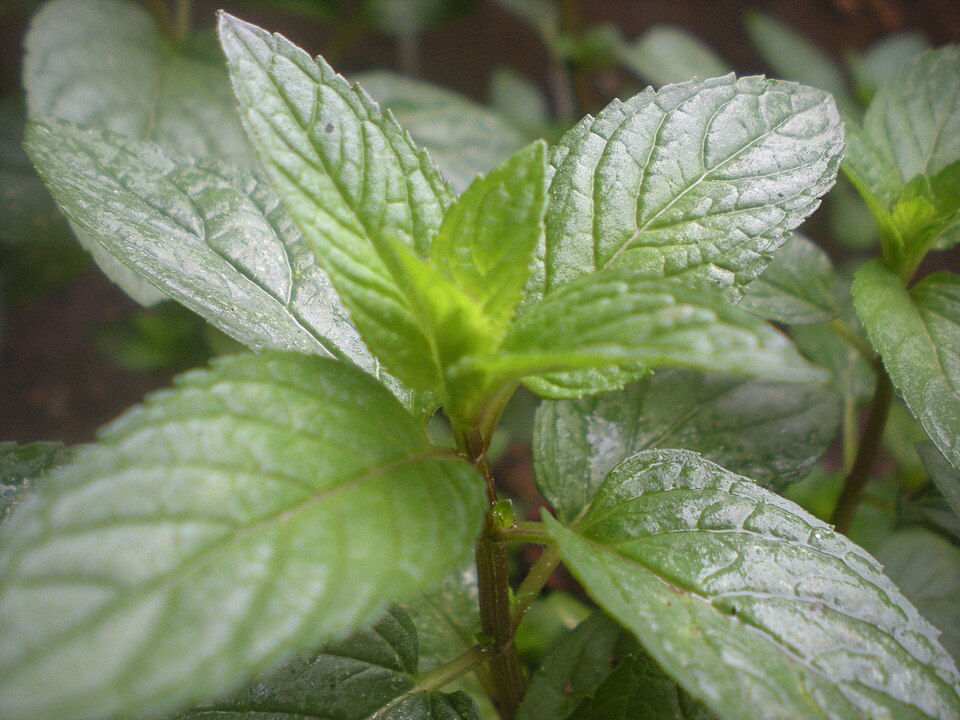
Peppermint oil is the essential oil distilled from peppermint (Mentha x piperita), an aromatic hybrid of watermint and spearmint. Rich in menthol, it is used as a flavoring and fragrance and, in medicine, most notably as an antispasmodic remedy for irritable bowel syndrome, usually taken as enteric-coated capsules. It produces the familiar cooling sensation of mint and has a long history in both cooking and traditional herbal practice.
- Relieves IBS cramping and bloating
- Antispasmodic for the gut
- Topical tension headache relief
- Cooling muscle relief
- Heartburn or acid reflux is the most common effect, because menthol can relax the valve between the stomach and esophagus; enteric-coated capsules are used to reduce this
- Allergic reactions or skin irritation can occur, especially with topical or concentrated forms
- A cooling or burning sensation, including perianal burning, is sometimes reported
Overview
Peppermint oil is the volatile essential oil obtained from peppermint, Mentha x piperita, a naturally occurring hybrid of watermint and spearmint [1]. It is typically produced by steam distillation of the leaves and flowering tops, and its characteristic aroma and cooling effect come mainly from menthol, accompanied by related compounds such as menthone, menthyl acetate, cineole, and limonene [1].
In everyday use the oil is a flavoring for confectionery, baked goods, and beverages, a fragrance in cosmetics and household products, and an ingredient in aromatherapy and topical preparations; it is also used as a natural repellent for insects and rodents [1]. Its best-established medicinal application, however, is in the digestive tract, where it acts as an antispasmodic [1].
The use of peppermint oil in irritable bowel syndrome (IBS) has been examined in numerous randomized trials and pooled analyses. Meta-analyses have found it to be more effective than placebo for both overall IBS symptoms and abdominal pain, with a number needed to treat of roughly three to four patients [2][4]. A network meta-analysis that compared the traditional first-line and second-line treatments for IBS ranked peppermint oil highest for improvement of global symptoms [3]. A 2022 update confirmed that peppermint oil was superior to placebo but cautioned that adverse events were more frequent and that the overall quality of the evidence was very low, so larger and more rigorous trials are still needed [1]. For this purpose the oil is usually given in enteric-coated capsules designed to survive the stomach and release their contents further down the gut [2].
Other reported uses include topical menthol preparations and inhaled peppermint for nausea, though the supporting evidence is weaker [1]. In most countries peppermint oil is sold as a dietary supplement, herbal remedy, or over-the-counter product rather than a licensed pharmaceutical, and as a flavoring it is widely regarded as safe; nevertheless it can cause side effects and is not appropriate for every situation [1].
Mechanism
The active constituent of peppermint oil is menthol, and its main action in the gut is to relax intestinal smooth muscle [1][3]. Menthol does this chiefly by blocking calcium channels and reducing the entry of calcium into muscle cells, which lessens the strength of contraction; this antispasmodic effect is thought to ease the cramping and disordered motility that characterize irritable bowel syndrome [1][3]. Menthol also activates the cold-sensing TRPM8 receptor, which produces the familiar cooling sensation and may contribute to a soothing, mild analgesic effect, and the oil has carminative properties that help relieve gas [1]. Because menthol can relax the lower esophageal sphincter, the valve between the stomach and the esophagus, capsules are commonly enteric-coated so that the oil is released lower in the digestive tract and the tendency to cause reflux is reduced [1].
receptor fingerprint
GI smooth muscle calcium channelsblocks
TRPM8 cold receptoractivates
Visceral pain signalingmodulates
Gut microbesinhibits
Dosingtypical ranges, not medical advice
interested in protocols and clinical dosages? make an account to see them! ^_^
Safetyrisks and cautions, not medical advice
Enteric-coated peppermint oil is well tolerated; the main side effects are heartburn (worse with non-coated forms), a cooling anal sensation, and occasional allergic reactions. Undiluted oil can irritate skin and mucous membranes, and it should never be applied to the face of infants due to risk of breathing problems. It can worsen reflux in people with GERD.
Subjective profileweighing the evidence above
One of the few herbal remedies with real clinical backing, mainly for IBS; a practical, cheap option worth trying for gut cramping or tension headache.
Resources
This entry is here for reference.
Research
- 2014first citedPeppermint oil for the treatment of irritable bowel syndrome: a systematic review and meta-anal…
- 2022most recentSystematic review and meta-analysis: efficacy of peppermint oil in irritable bowel syndrome.
- 1.Systematic review and meta-analysis: efficacy of peppermint oil in irritable bowel syndrome.
- 2.Peppermint oil for the treatment of irritable bowel syndrome: a systematic review and meta-analysis.
- 3.Efficacy of soluble fibre, antispasmodic drugs, and gut-brain neuromodulators in irritable bowel syndrome: a systematic review and network meta-analysis.
- 4.The impact of peppermint oil on the irritable bowel syndrome: a meta-analysis of the pooled clinical data.
4 listed here; entry last updated July 2026
Reviews
My notesprivate to this device
FAQ
Why enteric-coated for IBS?
The coating lets the oil bypass the stomach and release in the intestine, which improves effect and reduces reflux.
Does it really help IBS?
Yes, it is one of the better-supported natural remedies, with multiple positive trials and meta-analyses.
Can I put it straight on my skin?
Dilute it first; undiluted oil can irritate, and never apply near an infant's face.
Will it cause heartburn?
It can, especially non-coated forms and in people with reflux; enteric coating helps.
Limitations of the evidence
- The overall quality of evidence for its medicinal effects is considered low, and it may interact with certain medications
Adverse effects
- Heartburn or acid reflux is the most common effect, because menthol can relax the valve between the stomach and esophagus; enteric-coated capsules are used to reduce this
- Allergic reactions or skin irritation can occur, especially with topical or concentrated forms
- A cooling or burning sensation, including perianal burning, is sometimes reported
Notes and cautions
- It is generally regarded as safe for short-term use, but concentrated menthol can be hazardous for infants and young children