
spec sheet12 rows
Vinpocetine is a semisynthetic compound derived from vincamine, an alkaloid found in the lesser periwinkle plant (Vinca minor). It has been used for more than three decades in parts of Europe and Asia as a prescription drug for cerebrovascular disorders such as stroke and dementia, and it is also sold as a dietary supplement marketed to support memory and cognition. Its regulatory status varies widely, and the clinical evidence for its benefits is limited.
- a periwinkle alkaloid with three decades of clinical use abroad
- opens cerebral blood flow so more oxygen reaches brain tissue
- the circulation effect is real and well documented
- mild neuroprotection rides along with the blood flow
- prescribed in Europe and Asia for cerebrovascular problems
- expect a gentle lift in clarity rather than a jolt
- Facial flushing
- Nausea or stomach upset
- Dizziness or headache
Overview
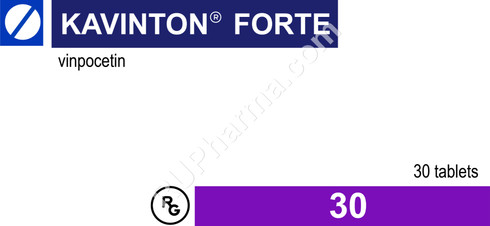
Vinpocetine, chemically known as ethyl apovincaminate, is a semisynthetic derivative of the vinca alkaloid vincamine, which is obtained from the leaves of the lesser periwinkle (Vinca minor) or from the seeds of Voacanga africana [1][3]. It was discovered and developed in Hungary in the late 1960s, and the pharmaceutical company Gedeon Richter has marketed it under the brand name Cavinton [1][4]. Structurally it differs from vincamine by the removal of a hydroxyl group and an ester modification [3].
For over thirty years vinpocetine has been prescribed in a number of European and Asian countries to treat cerebrovascular conditions, including recovery after stroke and various forms of cognitive impairment and dementia [1][3]. In much of the world outside those markets it is instead encountered as a dietary supplement promoted to enhance memory, concentration and general cognition [1]. Interest has also grown in possible new uses, with laboratory research pointing to anti-inflammatory and cardiovascular effects that could broaden its potential applications [1][2].
The clinical evidence for vinpocetine is mixed and generally regarded as limited [3]. Studies have shown that intravenous vinpocetine can increase blood flow and oxygen delivery to compromised brain tissue in people who have had a stroke [4], and a large controlled trial in China reported that adding vinpocetine to standard care for acute cerebral infarction improved measures of cognition, neurological function and quality of life [5]. On the other hand, a systematic review of its use in dementia concluded that the available trials were old and too limited to support routine clinical use [3].
Regulatory treatment of vinpocetine differs sharply between regions [1]. In the European Union and several other countries it is a prescription medicine, whereas in the United States the Food and Drug Administration has determined that it does not qualify as a lawful dietary-supplement ingredient and has warned that it should not be sold in supplements; the agency has also cautioned that vinpocetine may harm a developing fetus and should be avoided by women who are pregnant or may become pregnant [1]. Analyses of supplement products have found that the actual vinpocetine content often fails to match the label. Reported side effects are usually mild and include facial flushing, nausea, dizziness, dry mouth, headache and temporary changes in blood pressure [1].
Mechanism
Vinpocetine is thought to act through several complementary mechanisms rather than a single target [1]. A well-described action is inhibition of the enzyme phosphodiesterase type 1 (PDE1), which raises intracellular levels of the signaling molecules cyclic GMP and cyclic AMP and relaxes vascular smooth muscle, helping to widen blood vessels and improve blood flow to the brain [1]. It also blocks voltage-gated sodium channels and reduces the entry of calcium into cells, effects linked to neuroprotection and to dampening the injury that follows a reduced blood supply [1].
In studies of stroke patients, vinpocetine increased cerebral perfusion and the amount of oxygen extracted by brain tissue [4]. Separately, laboratory work has shown that vinpocetine can suppress inflammation by directly blocking the enzyme IKK and preventing activation of the transcription factor NF-kappaB, an anti-inflammatory action found to be independent of its effect on phosphodiesterase [2]. Together these actions on blood flow, nerve-cell excitability, and inflammation are proposed to underlie its effects in cerebrovascular disease [1][2].
receptor fingerprint
PDE1selective inhibitor
Voltage-gated sodium channelsblocks
IKK-B / NF-kBinhibits
Red blood cell deformabilityimproves
Dosingtypical ranges, not medical advice
interested in protocols and clinical dosages? make an account to see them! ^_^
Safetyrisks and cautions, not medical advice
Vinpocetine can lower blood pressure, so be careful pairing it with antihypertensives or blood thinners (warfarin, aspirin, NSAIDs) because bleeding risk adds up. Avoid it in pregnancy; animal studies show birth defects, and the FDA warned in 2019 that it can't legally be sold as a dietary supplement in the US. It's a prescription drug in Germany, Hungary, and several Asian countries (sold as Cavinton). Anyone with a bleeding disorder, on antiplatelet or anticoagulant therapy, pregnant or breastfeeding, or allergic to vinca alkaloids should steer clear.
History
Vinpocetine is a semisynthetic derivative of vincamine, an alkaloid of the lesser periwinkle (Vinca minor). It was developed in Hungary, where the chemist Csaba Szantay and co-workers characterized the vincamine chemistry and the compound was synthesized in the late 1960s and patented in the early 1970s. The pharmaceutical company Gedeon Richter began manufacturing it in 1978 and marketed it as Cavinton for cerebrovascular disorders, stroke recovery, and vascular cognitive impairment.
Reputation
Vinpocetine has a long clinical history in Central and Eastern Europe and parts of Asia as a cerebral vasodilator and neuroprotective agent, and it is popular among nootropic users for reported gains in cerebral blood flow, memory, and focus. Its reputation is genuinely divided: supportive trials exist but are often older or of limited quality, Western regulators never approved it as a drug, and in the United States authorities have questioned its status as a dietary supplement and warned against its use in pregnancy. It is thus seen at once as a time-tested medicine abroad and an evidence-thin, regulatory-gray supplement in the West.
Subjective profileweighing the evidence above
Hard to recommend now. The cerebral blood flow effect is real but the cognitive payoff is modest, the FDA has said it cannot legally be sold as a supplement in the US, and animal work shows birth defects, so anyone pregnant or trying to conceive should avoid it outright.
Where to buy
Suppliers
Vendors carrying Vinpocetine, with live product details and codes. Links are affiliate links that support the wiki at no cost to you.
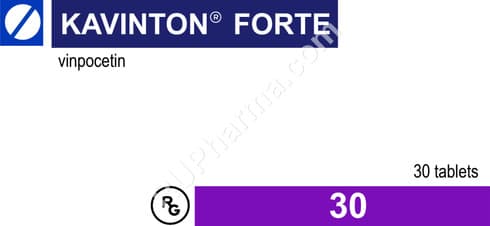
RUPharma🌐
Vinpocetine
Research
- 2002first citedVinpocetine increases cerebral blood flow and oxygenation in stroke patients: a near infrared s…
- 2003meta-analysisVinpocetine for cognitive impairment and dementia
- 2018most recentAn update on vinpocetine: New discoveries and clinical implications
- 1.An update on vinpocetine: New discoveries and clinical implications
- 2.Vinpocetine inhibits NF-kappaB-dependent inflammation via an IKK-dependent but PDE-independent mechanism
- 3.Vinpocetine for cognitive impairment and dementia
- 4.Vinpocetine increases cerebral blood flow and oxygenation in stroke patients: a near infrared spectroscopy and transcranial Doppler study
- 5.Efficacy and Safety of Vinpocetine as Part of Treatment for Acute Cerebral Infarction: A Randomized, Open-Label, Controlled, Multicenter CAVIN (Chinese Assessment for Vinpocetine in Neurology) Trial.
5 listed here; entry last updated August 2026
Reviews
My notesprivate to this device
FAQ
What is vinpocetine?
It is a semi-synthetic compound derived from vincamine, used to support cerebral blood flow and cognition.
How is it best absorbed?
It is generally better absorbed when taken with food.
Is it a natural compound?
It is derived from the periwinkle plant but is semi-synthetic rather than fully natural.
Should it be avoided by anyone?
It is generally advised against during pregnancy, and people on blood thinners often use caution.
Adverse effects
- Facial flushing
- Nausea or stomach upset
- Dizziness or headache
- Temporary changes in blood pressure
- Avoid during pregnancy