
spec sheet11 rows
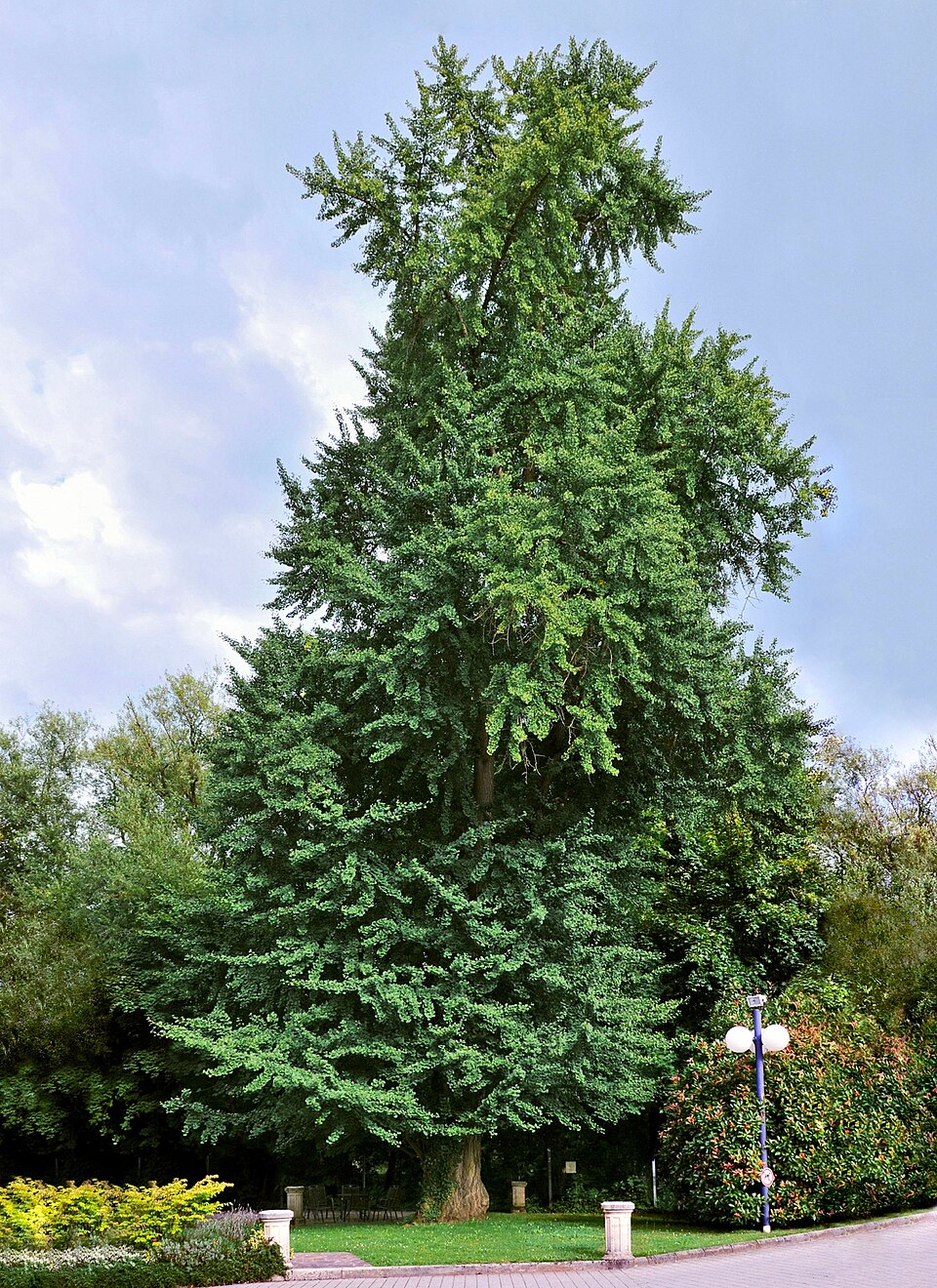
Ginkgo biloba, commonly called the maidenhair tree, is a gymnosperm native to East Asia and the sole surviving species of the order Ginkgoales, an ancient lineage often described as a living fossil. Standardized extracts of its distinctive fan-shaped leaves, rich in flavonoid glycosides and terpene trilactones, are among the most widely used herbal products worldwide. They are marketed chiefly to support memory and circulation, though clinical evidence for cognitive benefit remains contested.
- leaf extract of a living fossil, standardized and studied
- opens up cerebral blood flow
- supports memory and recall over four to six weeks
- fights oxidative stress in brain tissue
- may help peripheral circulation as well
- one of the most used herbal products in the world
- Mild headache or dizziness
- Gastrointestinal upset
- May increase bleeding risk; can interact with anticoagulant and antiplatelet drugs
Overview
Ginkgo biloba is a deciduous tree and the only living member of the division Ginkgophyta, a group whose relatives first appeared hundreds of millions of years ago. It is dioecious, with separate male and female trees, and bears characteristic bilobed, fan-shaped leaves with radiating veins. Pharmacologically active preparations are made from the leaves rather than the seeds, and they concentrate two main groups of constituents: flavonoid glycosides such as quercetin, kaempferol, and isorhamnetin, and terpene trilactones, namely the ginkgolides and bilobalide. The best studied preparation is a standardized leaf extract known as EGb 761 [3].
Long thought extinct in the wild, ginkgo survived in refugia in China and was cultivated for centuries around temples; it is renowned for its longevity and hardiness, and several trees are recorded to have survived the 1945 atomic bombing of Hiroshima. In traditional Chinese medicine the leaves and seeds were used for a range of complaints, and the seeds remain a culinary ingredient in parts of East Asia despite their potential toxicity. The tree is now planted worldwide as an ornamental prized for its tolerance of urban conditions.
Modern interest centers on whether ginkgo leaf extract can preserve or improve cognition, and the results are mixed. A large, long-term randomized trial in older adults found that ginkgo did not reduce the incidence of dementia or Alzheimer disease compared with placebo [1]. By contrast, several meta-analyses of shorter trials in people who already have cognitive impairment or dementia report small improvements in cognition and daily functioning, particularly at higher standardized doses, with a safety profile similar to placebo [2][4]. Reviews emphasize that benefit in healthy people seeking cognitive enhancement is not well supported, and national health agencies note that ginkgo has not been conclusively proven effective for any condition [3].
Regulatory treatment varies by region. In the European Union, standardized ginkgo leaf extract is approved as an herbal medicine for symptoms of mild dementia, whereas in the United States it is sold as a dietary supplement and is not approved as a drug. It is available as capsules, tablets, standardized liquid extracts, and teas. Ginkgo is generally well tolerated, but it may increase bleeding risk and can interact with anticoagulant and antiplatelet drugs; raw or roasted seeds carry a separate risk of ginkgotoxin poisoning [3].

Mechanism
The effects attributed to ginkgo leaf extract are generally credited to the combined action of its flavonoid and terpenoid fractions. The flavonoid glycosides act as antioxidants that scavenge free radicals, while the terpene trilactones contribute distinct activities; bilobalide is neuroprotective in laboratory models, and the ginkgolides, particularly ginkgolide B, are antagonists of platelet-activating factor, a mediator involved in platelet aggregation and inflammation [3].
Together these properties are proposed to improve cerebral and peripheral blood flow, reduce , and modulate neurotransmission, which forms the rationale for testing the extract in cognitive and circulatory disorders [3]. Clinically, meta-analyses suggest that any cognitive benefit is modest and most apparent in people with existing impairment rather than in healthy users, and a major prevention trial found no protection against the onset of dementia [1][2]. The same antiplatelet activity that may underlie some effects also accounts for the extract's potential to raise bleeding risk [3].
receptor fingerprint
Platelet-activating factor (PAF)antagonist
Free radicals / lipid peroxidationscavenges
Cerebral glucose useraises
MAO-A / MAO-Bmild inhibitor
Dosingtypical ranges, not medical advice
interested in protocols and clinical dosages? make an account to see them! ^_^
Safetyrisks and cautions, not medical advice
Ginkgo is legal and sold OTC everywhere. The main worry is its blood thinning side; by blocking PAF it raises bleeding risk, so be very careful alongside anticoagulants (warfarin, heparin), antiplatelet drugs (aspirin, clopidogrel), and NSAIDs, since that combo can cause serious or even life-threatening bleeding. Stop ginkgo at least 36 to 72 hours before any surgery. It also induces CYP3A4 and CYP2C19 and mildly shifts CYP1A2 and CYP2B6, which lowers blood levels of drugs like midazolam, theophylline, and bupropion; that matters most for narrow-margin medications. Avoid it in pregnancy.
Subjective profileweighing the evidence above
Real but modest; expect a gentle lift in cerebral blood flow and recall over four to six weeks rather than anything you notice on day one. The bleeding risk is the part people ignore: it does not belong alongside warfarin, aspirin or NSAIDs, and it should be stopped a few days before surgery.
Where to buy
1 other outlet
Suppliers
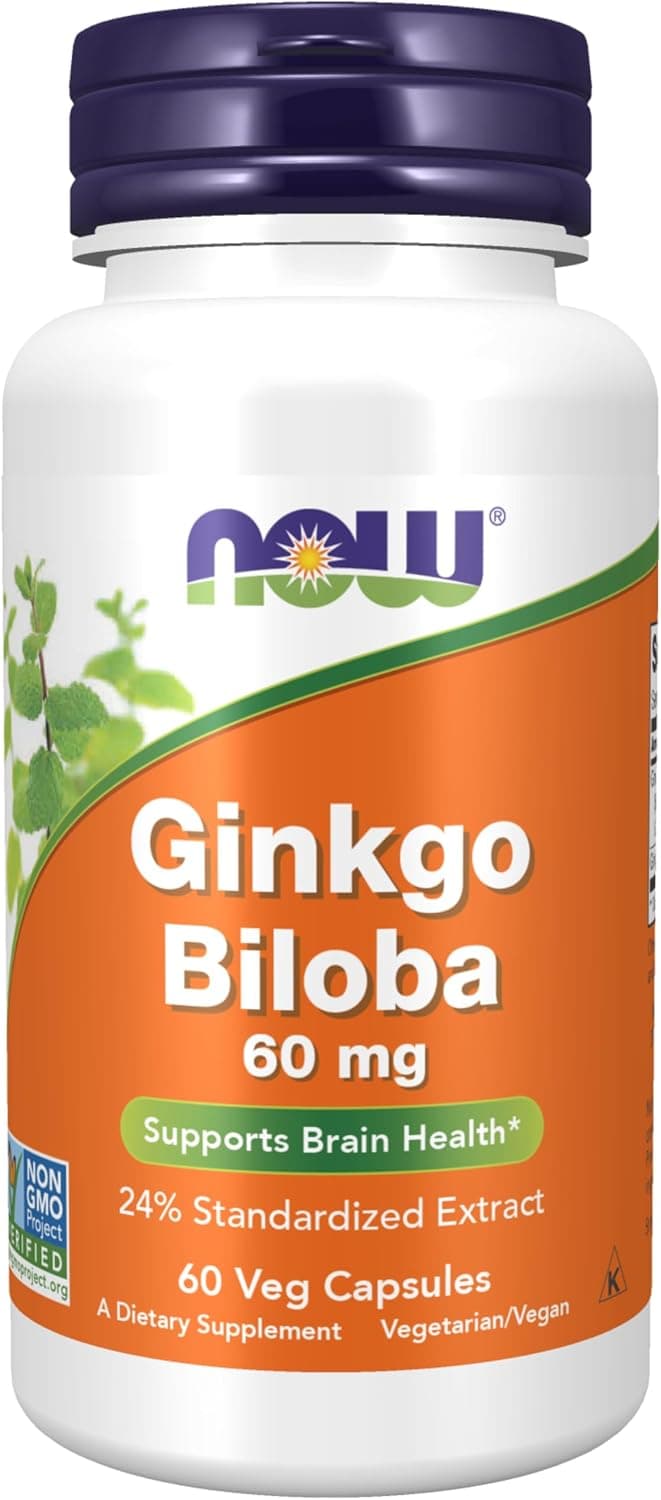
Vendors carrying Ginkgo Biloba, with live product details and codes. Links are affiliate links that support the wiki at no cost to you.
Amazon
Ginkgo Biloba
RUPharma🌐
Ginkgo Biloba
Research
- 2008first citedGinkgo biloba for prevention of dementia: a randomized controlled trial
- 2015meta-analysisEfficacy and adverse effects of ginkgo biloba for cognitive impairment and dementia: a systemat…
- 2025most recentGinkgo biloba extract EGb 761 is safe and effective in the treatment of mild dementia: a meta-a…
- 1.Ginkgo biloba for prevention of dementia: a randomized controlled trial
- 2.Efficacy and adverse effects of ginkgo biloba for cognitive impairment and dementia: a systematic review and meta-analysis
- 3.Ginkgo biloba: indications, mechanisms, and safety
- 4.Ginkgo biloba extract EGb 761 is safe and effective in the treatment of mild dementia: a meta-analysis of patient subgroups in randomised controlled trials
4 listed here; entry last updated August 2026
Reviews
My notesprivate to this device
FAQ
How does it support cognition?
It's thought to improve cerebral blood flow and provide antioxidant effects from flavonoids and terpenoids. These are the proposed mechanisms for memory and focus support.
Why the bleeding caution?
It can have mild blood-thinning effects and may interact with anticoagulant or antiplatelet medications. This is a common reason to check with a clinician.
How long until effects appear?
Cognitive effects, if noticed, typically build over several weeks of consistent use rather than immediately. It isn't an acute stimulant.
Is standardization important?
Many studies use extracts standardized to specific flavonoid and terpene lactone content. Product quality can vary widely.
Adverse effects
- Mild headache or dizziness
- Gastrointestinal upset
- May increase bleeding risk; can interact with anticoagulant and antiplatelet drugs
- Raw or roasted ginkgo seeds are separately toxic