
spec sheet13 rows
Sumatriptan is a medication of the triptan class, used to relieve acute migraine and cluster headache attacks. It works as a selective agonist of serotonin 5-HT1B and 5-HT1D receptors, narrowing dilated cranial blood vessels and dampening the nerve signaling that drives migraine pain. Introduced in the early 1990s as the first triptan, it is available as tablets, injections, and nasal sprays and appears on the World Health Organization's list of essential medicines.
- Shuts down an attack already underway
- Relief measured in minutes, not hours
- Nausea and light sensitivity fade too
- Pill, nasal spray or injection available
- Injection option for the fiercest, fastest attacks
- The original triptan and a WHO essential medicine
- tingling, warmth, or flushing
- a sensation of tightness or pressure in the chest or throat, usually harmless
- dizziness or drowsiness
Overview
Sumatriptan is an abortive antimigraine drug, meaning it is taken to stop an attack that has already begun rather than to prevent one. It belongs to the triptan family, a group of selective serotonin receptor agonists developed specifically for migraine [1]. Chemically it resembles the neurotransmitter serotonin and acts on particular serotonin receptor subtypes in the blood vessels and nerves of the head [2].
Sumatriptan was the first triptan to reach the market, developed by Glaxo and approved for medical use in the early 1990s [1]. Its arrival marked a turning point in migraine treatment, offering a drug designed around an emerging understanding of the disorder rather than borrowed from other uses, and it opened the way for a whole class of related medicines [1]. It has since become a widely used generic drug.
The drug is used to treat acute migraine attacks, with or without aura, and to abort cluster headaches [2]. It comes in several forms, including oral tablets, a subcutaneous injection, and a nasal spray; the injection acts fastest and is especially useful for cluster headache and when nausea makes tablets impractical. Systematic reviews confirm that oral sumatriptan is an effective abortive treatment that relieves headache pain and associated symptoms such as nausea and light sensitivity, and that treating early, while pain is still mild, works better [3]. Combining it with the anti-inflammatory drug naproxen provides somewhat greater relief than either alone [4].
Sumatriptan is a prescription medicine. Because it constricts blood vessels, it is not suitable for everyone; it is contraindicated in people with coronary artery disease, a history of stroke, uncontrolled high blood pressure, and certain uncommon migraine types, and it should not be combined with ergot-type drugs or other triptans within a short interval [2]. Common side effects include tingling, warmth, flushing, dizziness, and a sensation of tightness in the chest or throat, which are usually mild and short-lived. Frequent use of any acute migraine drug can lead to medication-overuse headache, and rare serious reactions include coronary spasm and serotonin syndrome.

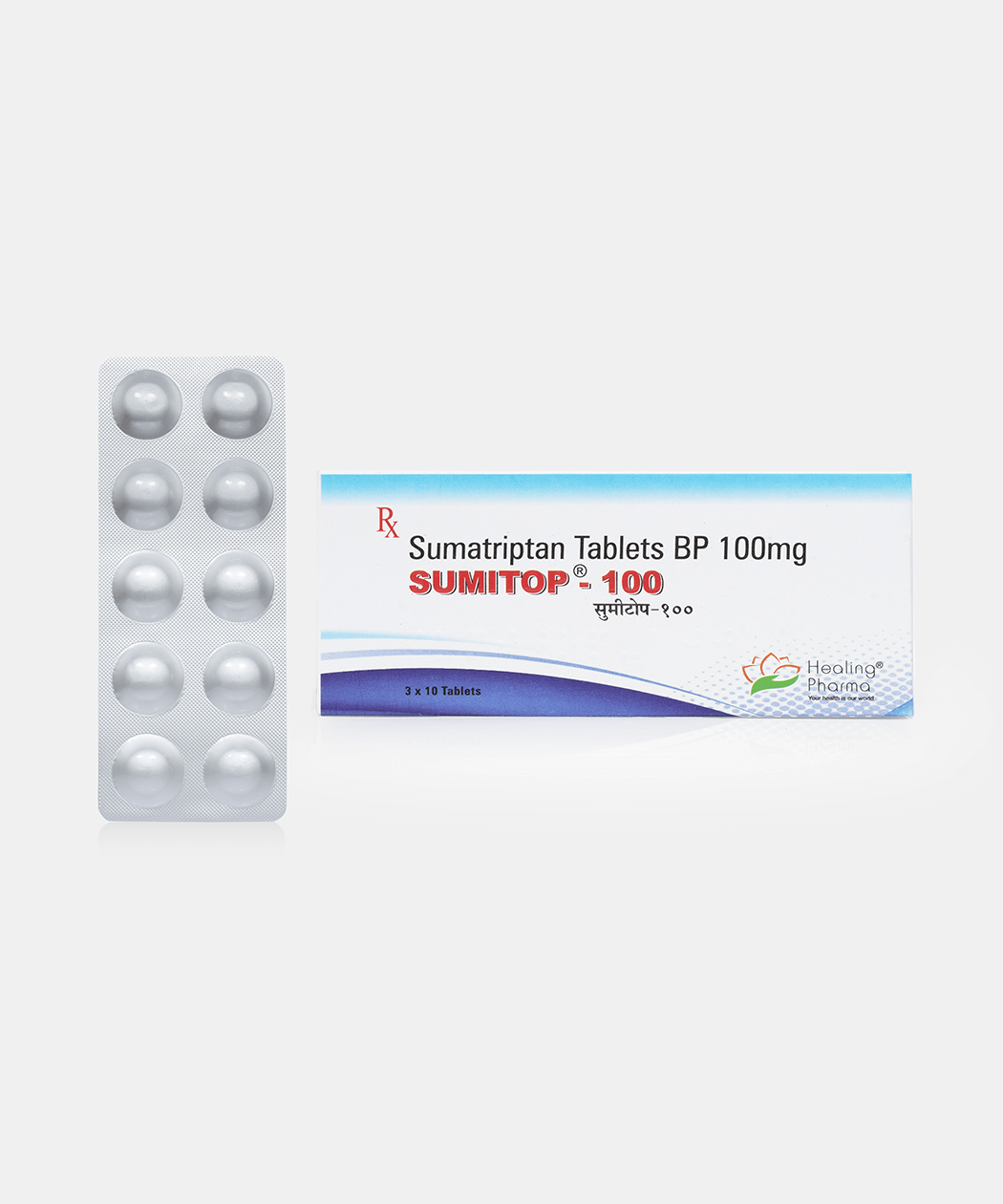
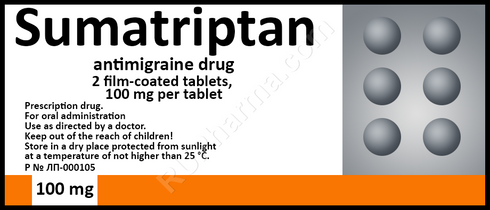
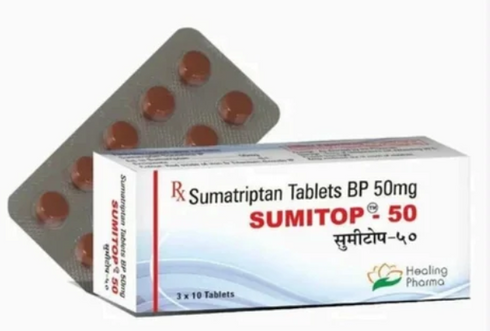
- Sumatriptan was the first triptan ever developed, founding an entirely new class of migraine medicines.
- In comparative analyses, subcutaneous sumatriptan is consistently among the most effective of all triptan formulations for rapid relief.
- The drug crosses into the brain only to a limited extent, so much of its action occurs at nerve endings and blood vessels outside the brain.
Mechanism
Sumatriptan relieves migraine by acting as a selective at 5-HT1B and 5-HT1D receptors [2]. Stimulating 5-HT1B receptors on smooth muscle constricts the dilated blood vessels of the head that are associated with a migraine attack, while stimulating 5-HT1D receptors on trigeminal nerve endings inhibits the release of inflammatory signaling molecules, including calcitonin gene-related , and reduces the transmission of pain signals [2]. This combination of narrowing overdilated cranial vessels and quieting the trigeminal pain pathway is thought to underlie its ability to abort attacks [1][2]. Sumatriptan crosses the only to a limited extent, so much of its action is believed to occur at nerve endings and vessels outside the brain.
receptor fingerprint
5-HT1B receptoragonist
5-HT1D receptoragonist
Trigeminal CGRP and neuropeptide releaseinhibits
Cranial and meningeal blood vesselsactivates
5-HT1F receptoragonist
Dosingtypical ranges, not medical advice
interested in protocols and clinical dosages? make an account to see them! ^_^
Safetyrisks and cautions, not medical advice
Sumatriptan is a prescription drug. The most common experiences are a tightness or pressure in the chest, throat, jaw, or neck, along with tingling, flushing, a feeling of warmth, dizziness, and reactions at the injection site; these so-called triptan sensations are usually harmless but can feel alarmingly like heart symptoms. It must not be used by people with coronary artery disease, a prior heart attack or stroke, uncontrolled high blood pressure, or hemiplegic or basilar migraine, and it should not be taken within 24 hours of an ergot drug or another triptan. Combining it with SSRI or SNRI antidepressants carries a risk of serotonin syndrome. Using it too many days a month can backfire into medication-overuse headache.
Interactionsdocumented pairs only, not exhaustive
Sumatriptan is metabolized mainly by monoamine oxidase A, so MAO-A inhibitors including phenelzine, tranylcypromine and moclobemide raise its exposure severalfold; the oral form is contraindicated with them, and the effect persists for about two weeks after an MAO inhibitor is stopped.
Ergotamine, dihydroergotamine and other triptans constrict vessels through overlapping 5-HT1B receptors, so taking them close together compounds the vasoconstriction and the risk of coronary or peripheral ischemia.
The serotonin syndrome question is the one most often raised. Regulators issued an advisory in 2006 about triptans combined with SSRIs and SNRIs, and case reports exist, but later systematic reviews found the incidence very low and the causal link uncertain, partly because sumatriptan acts at 5-HT1 receptors rather than the 5-HT2A receptor most implicated in the syndrome. Sumatriptan has no meaningful cytochrome P450 interactions.
Checking a whole stack? Run it through interactions + stacks.
History
Sumatriptan was developed by the British pharmaceutical company Glaxo through a research program led by the pharmacologist Patrick Humphrey, which set out in the late 1970s and 1980s to design a selective serotonin receptor agonist that could abort migraine attacks. The team pursued the idea that stimulating specific serotonin receptors on cranial blood vessels and nerves could relieve the pain of migraine, and their work yielded the first agent of an entirely new class later named the triptans.
Sumatriptan was first approved in the United Kingdom in 1991 and reached the United States market in 1992 to 1993, initially as a subcutaneous injection and later as tablets and nasal sprays. Its introduction transformed acute migraine care, which had previously relied on ergot compounds and general analgesics. Sumatriptan is now available as an inexpensive generic and appears on the World Health Organization's list of essential medicines.
Reputation
Sumatriptan is widely regarded as a breakthrough that redefined the acute treatment of migraine, and it remains the reference standard against which newer therapies are measured. Patients and neurologists value its ability to stop an attack in progress rather than merely dulling the pain, with the subcutaneous injection in particular ranking among the fastest and most effective options for severe migraine and cluster headache. Decades of trials and real-world use have given it an established and reassuring safety record for the great majority of users. Honest counseling notes that it works best taken early in an attack, does not prevent migraines, and is not suitable for people with certain cardiovascular conditions because of its vessel-narrowing action. As the founding member of the triptan class and a low-cost generic, it retains a place of respect and heavy everyday use.
Subjective profileweighing the evidence above
The thing to reach for once a migraine is actually underway, and it works best taken early rather than after waiting it out. The chest and throat tightness is common and usually harmless, but it is off the table with coronary disease, prior stroke or uncontrolled high blood pressure.
Where to buy

Suppliers
Vendors carrying Sumatriptan, with live product details and codes. Links are affiliate links that support the wiki at no cost to you.
| supplier | size | price | $/mg |
|---|---|---|---|
| PCT.Zonelowest | 100MG | $5.95 | $0.060/mg |
| PCT.Zone | 50MG | $4.62 | $0.092/mg |
| PCT.Zone | 25MG | $3.30 | $0.132/mg |
PCT.Zone
Sumatriptan
PCT.Zone
Sumatriptan
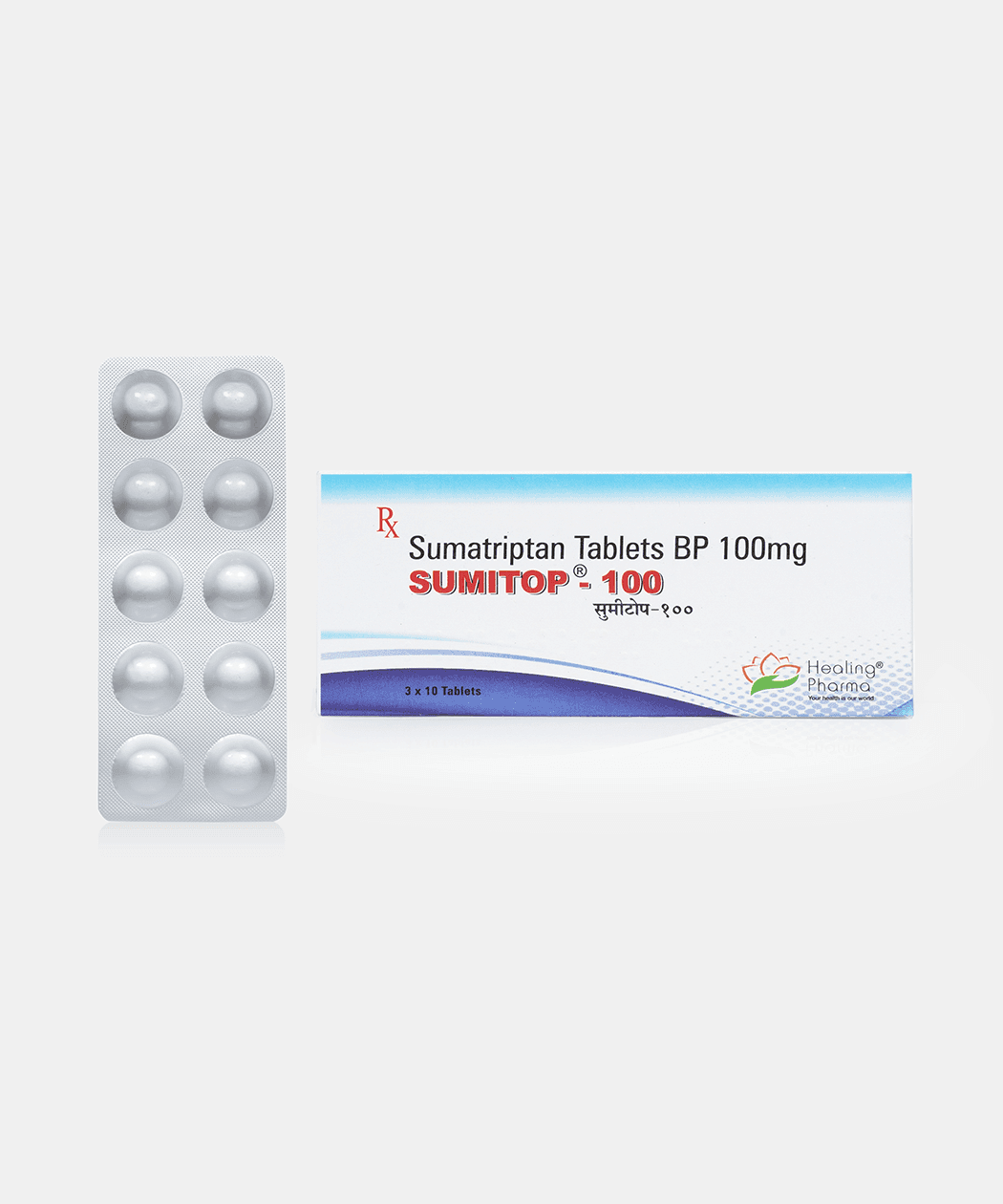
PCT.Zone
Sumatriptan
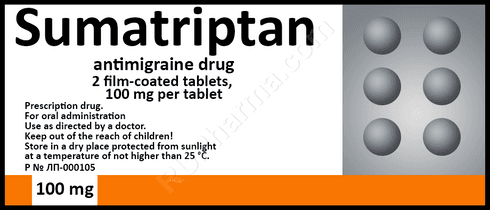
RUPharma🌐
Sumatriptan
RUPharma🌐
Sumatriptan
Research
- 1992first citedSumatriptan: efficacy and contribution to migraine mechanisms
- 2012meta-analysisSumatriptan (oral route of administration) for acute migraine attacks in adults
- 2016most recentSumatriptan plus naproxen for the treatment of acute migraine attacks in adults
- 1.The discovery of a new drug class for the acute treatment of migraine.
- 2.Sumatriptan: efficacy and contribution to migraine mechanisms
- 3.Sumatriptan (oral route of administration) for acute migraine attacks in adults
- 4.Sumatriptan plus naproxen for the treatment of acute migraine attacks in adults
- 5.Triptans in the Acute Treatment of Migraine: A Systematic Review and Network Meta-Analysis
5 listed here; entry last updated August 2026
Reviews
My notesprivate to this device
FAQ
Does it prevent migraines?
No, it is a rescue drug for an attack that has already started; preventing migraines calls for a different, daily kind of medication.
Why do I feel tightness in my chest or throat?
Those are the common triptan sensations; they are usually harmless, but because they can mimic heart trouble, get checked if you have heart risks or the feeling is severe.
Can I take it with my antidepressant?
Care is needed with SSRIs and SNRIs because of a small risk of serotonin syndrome, so let your prescriber know what you take.
How often can I use it?
Only for actual attacks and on a limited number of days each month, since frequent use can lead to medication-overuse headache.
What if I am too nauseated to swallow a pill?
That is where the injection or nasal spray shine, since they skip the stomach and tend to work faster.
Adverse effects
- tingling, warmth, or flushing
- a sensation of tightness or pressure in the chest or throat, usually harmless
- dizziness or drowsiness
- not suitable for people with heart disease, prior stroke, or uncontrolled high blood pressure
- overuse can lead to medication-overuse headache